🇬🇧 – 🇮🇹
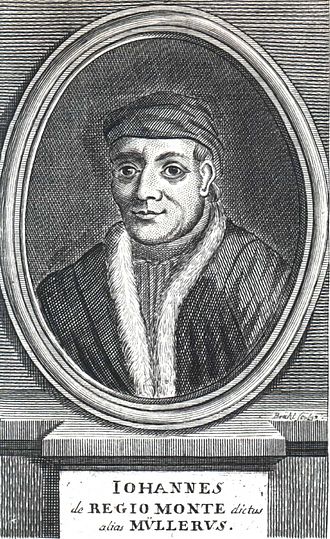
In 1476 the mathematician and astronomer Regiomontanus (Johann Müller von Königsberg) died to whom a lunar crater was dedicated to him.
Nel 1476 muore il matematico e astronomo Regiomontanus (Johann Müller von Königsberg) a cui gli è stato dedicato un cratere lunare.
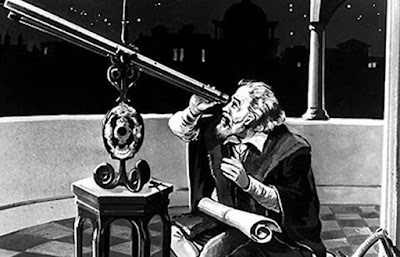
In 1610 Galileo Galilei observed a lunar eclipse with a telescope for the first time
Nel 1610 Galileo Galilei osserva per la prima volta con un telescopio un’eclisse di Luna
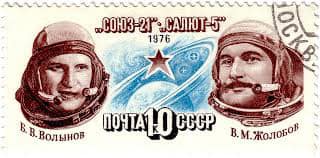
In 1976, the Soviet Union launched the Soyuz 21 spacecraft into space with two astronauts on board.
Nel 1976 l’Unione Sovietica lancia nello spazio la navicella Soyuz 21 con due astronauti a bordo.
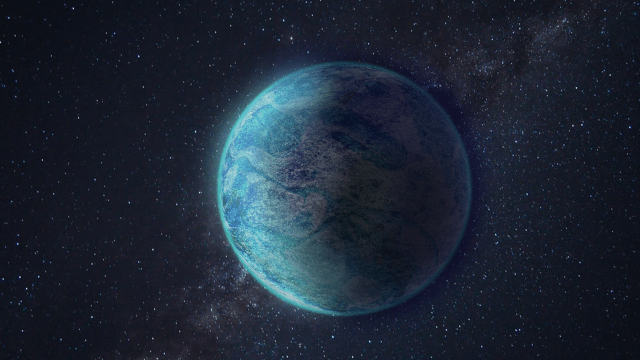
In 1998 the planetary system of 14 Herculis was discovered (an orange dwarf star located about 59 light-years from Earth in the constellation of Hercules, also known as Gliese 614 and invisible to the naked eye with apparent magnitude +6.67). Planet 14 Herculis b (see artistic representation) has a very eccentric orbit and takes about 4.8 years to complete. In 2006 the presence of a second planet was hypothesized, which received the name of 14 Herculis c which could be in a resonance of 4:1 from the neighboring planet, with an orbital period of at least 19 years and a distance of 6.9 AU from the star.
Nel 1998 venne scoperto il sistema planetario di 14 Herculis (una stella nana arancione posta a circa 59 anni luce dalla Terra nella costellazione di Ercole, conosciuta anche come Gliese 614 ed invisibile ad occhio nudo con magnitudine apparente +6,67). Il pianeta 14 Herculis b (vedi raffigurazione artistica) possiede un’orbita molto eccentrica ed impiega circa 4,8 anni per completarla. Nel 2006 si è ipotizzata la presenza di un secondo pianeta, che ricevette il nome di 14 Herculis c che potrebbe trovarsi in una risonanza di 4:1 dal pianeta vicino, con un periodo orbitale di almeno 19 anni ed una distanza di 6,9 UA dalla stella.
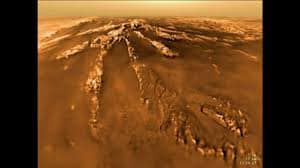
In 2004 the Cassini/Huygens spacecraft entered the orbit of Titan. See video inaf: https://youtu.be/yApqLISwLLc
Nel 2004 la sonda Cassini/Huygens entra nell’orbita di Titano. Vedi video inaf: https://youtu.be/yApqLISwLLc
In 2017 CERN announced the discovery of the Xi particle. The discovery, announced at the conference of the European Physical Society underway in Venice, took place thanks to the largest accelerator in the world, the Large Hadron Collider (LHC).
Nel 2017 viene dato l’annuncio del Cern della scoperta della particella Xi. La scoperta, annunciata nella conferenza della Società Europea di Fisica in corso a Venezia è avvenuta grazie all’acceleratore più grande del mondo, il Large Hadron Collider (Lhc). Articolo Ansa clicca qui
Text source: Wikipedia
Sostieni anche tu Wikipedia
Google translate
 Astronomy Bulletin Of the Day