
🇬🇧 – 🇮🇹
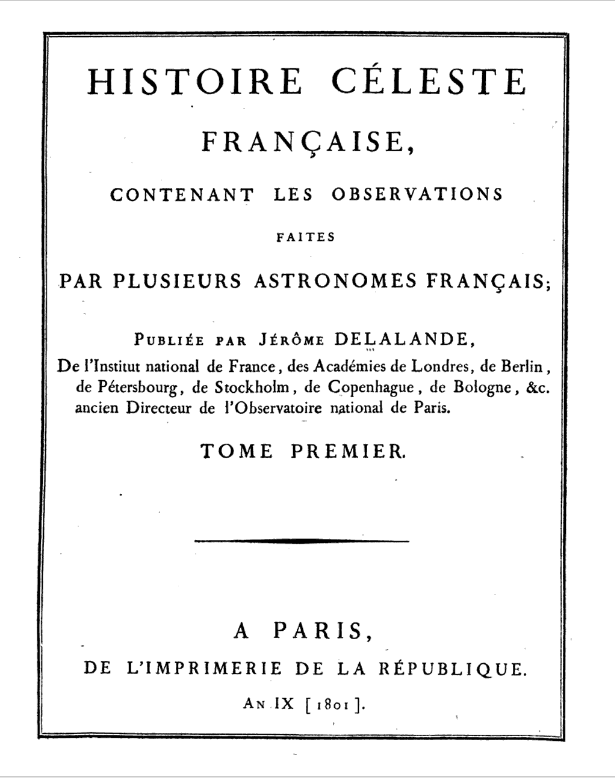
In 1732 the French astronomer Joseph-Jerôme Lefrançais de Lalande was born, director of the Paris Observatory from 1795 to 1801, who compiled the most complete catalog of his time with indications of the position of 47,390 stars, Histoire Céleste Française.
Nel 1732 nasce l’astronomo francese Joseph-Jerôme Lefrançais de Lalande, direttore dell’Osservatorio di Parigi dal 1795 e nel 1801, che compilò il catalogo più completo del suo tempo con le indicazioni della posizione di 47.390 stelle, Histoire Céleste Française.

In 1895 the Lumière brothers show a film to scientists
Nel 1895 i fratelli Lumière mostrano un film a degli scienziati
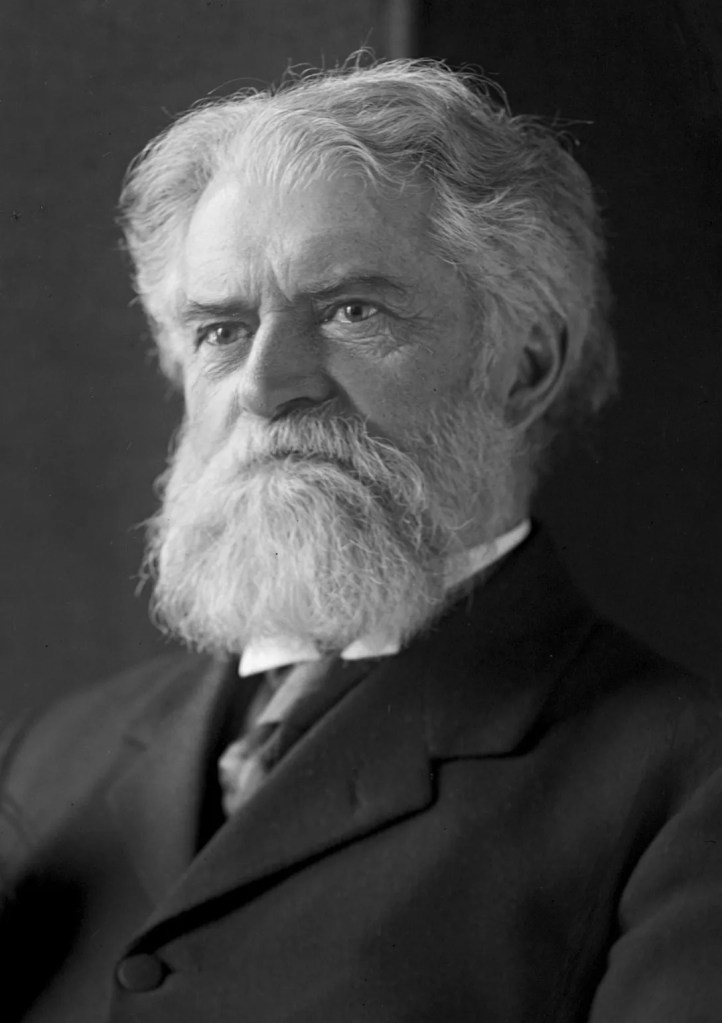
In 1909 the Canadian astronomer Simon Newcomb died, astronomer, mathematician, director of the American Nautical Almanac and one of the founders of the American Astronomical Society. In 1881 he described in the American Journal of Mathematics what is now known as Benford’s law.
Nel 1909 muore l’astronomo canadese Simon Newcomb, astronomo, matematico, direttore dell’American Nautical Almanac e tra i fondatori della American Astronomical Society. Nel 1881 descrisse in American Journal of Mathematics quella che oggi è conosciuta come Legge di Benford.

In 1962, during the Vostok 3 mission, Soviet cosmonaut Andrijan Grigor’evič Nikolaev spent four days in space. Also in the same year, the first transatlantic television transmission via satellite takes place
Nel 1962 nel corso della missione Vostok 3 il cosmonauta sovietico Andrijan Grigor’evič Nikolaev trascorre quattro giorni nello spazio. Sempre nello stesso anno avviene la prima trasmissione televisiva transatlantica via satellite
In 1979, NASA’s first space station Skylab broke apart in the atmosphere, flooding the Indian Ocean and Australia with burnt debris. Launched in 1973, the first manned Skylab mission arrived two years after Salyut 1 was launched by the Soviet Union.
Nel 1979 si frantuma nell’atmosfera inondando di detriti bruciati l’Oceano Indiano e l’Australia (senza danni), la prima stazione spaziale della NASA: lo Skylab. Lanciata nel 1973 la prima missione con equipaggio Skylab è arrivata due anni dopo la Salyut 1 messa in orbita dall’Unione Sovietica.
Text source: Wikipedia, AIF
Sostieni anche tu Wikipedia
Google translate
 Astronomy Bulletin Of the Day