
🇬🇧 – 🇮🇹
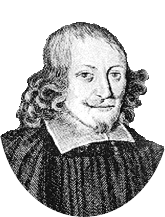
In 1620, the Frenchman Jean Picard was born, considered one of the founders of modern astronomy in France. He participated in the measurement of a meridian arc and, with the astronomer and mathematician Philippe de la Hire, in operations to determine the coordinates of numerous French cities. He improved astronomical and topographical instruments to which he applied the telescope, as well as a micrometer of his own invention. He introduced a new and more precise system of observations to determine the apparent places of the stars, using their passage at the meridian and the pendulum clock then built by Christiaan Huygens.
Nel 1620 nasce il francese Jean Picard, considerato uno dei fondatori della astronomia moderna in Francia. Partecipò alla misura di un arco di meridiano e, con l’astronomo e matematico Philippe de la Hire, alle operazioni per determinare le coordinate di numerose città francesi. Migliorò strumenti astronomici e topografici ai quali applicò il cannocchiale, nonché un micrometro di sua invenzione. Introdusse un nuovo e piú preciso sistema di osservazioni per determinare i luoghi apparenti degli astri, servendosi del loro passaggio al meridiano e dell’orologio a pendolo allora costruito da Christiaan Huygens.


In 1914 the accidental discovery of the ninth Jovian external satellite, Sinope (see photo) by the English astronomer Seth Barnes Nicholson while analyzing a photographic plate for the study of the eighth Jovian satellite, Pasiphaëe, discovered six years earlier.
Nel 1914 scoperta casuale del nono satellite esterno gioviano, Sinope (vedi foto) per opera dell’astronomo inglese Seth Barnes Nicholson mentre analizzava una lastra fotografica per lo studio dell’ottavo satellite gioviano, Pasiphaëe, scoperto sei anni prima.
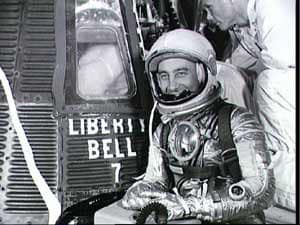
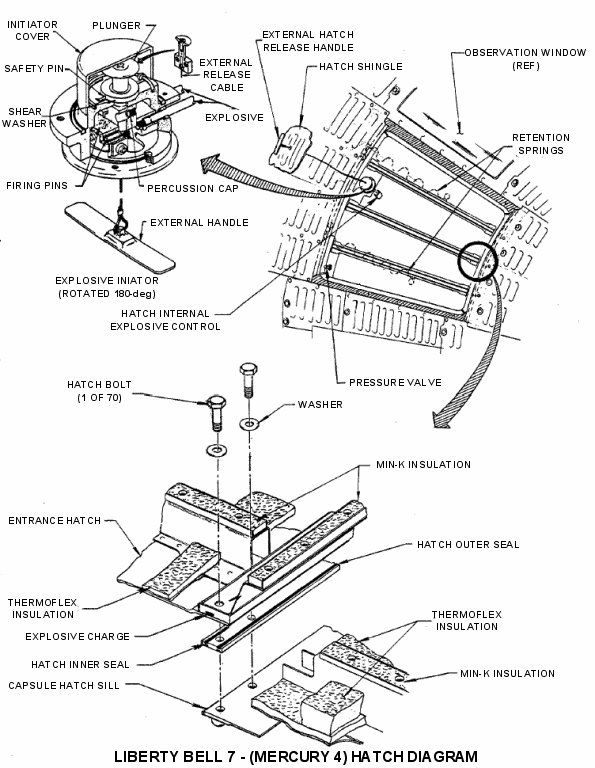
In 1961 Mercury Program (Mercury-Redstone 4 MR-4, second US suborbital flight): the Liberty Bell 7 is fished out of the Atlantic Ocean, astronaut Virgil Grissom managed to save himself by swimming (see photo).
Nel 1961 Programma Mercury (Mercury-Redstone 4 MR-4, secondo volo USA suborbitale): la Liberty Bell 7 viene ripescata dall’oceano Atlantico, l’astronauta Virgil Grissom riuscì a salvarsi nuotando (vedi foto).

In 1969 the Russian probe Luna 15 crashed on the Moon. The spacecraft fired its engines and began its descent. Unfortunately the transmissions ceased 4 minutes after the start of the manoeuvre, at a height of about 3 km. Luna 15 probably impacted a mountain. It was the third attempt by the USSR to send a probe to the Moon and partially return it to Earth. It was a last-minute mission to precede the Apollo 11 moon landing.
Nel 1969 la sonda russa Luna 15 si schianta sulla Luna. La sonda accese i motori e iniziò la discesa. Sfortunatamente le trasmissioni cessarono 4 minuti dopo l’inizio della manovra, ad una altezza di circa 3 km. Probabilmente Luna 15 impattò contro una montagna. Fu il terzo tentativo da parte dell’URSS di mandare una sonda sulla Luna e farla tornare in parte sulla Terra. Fu una missione all’ultimo momento per precedere l’allunaggio dell’Apollo 11.
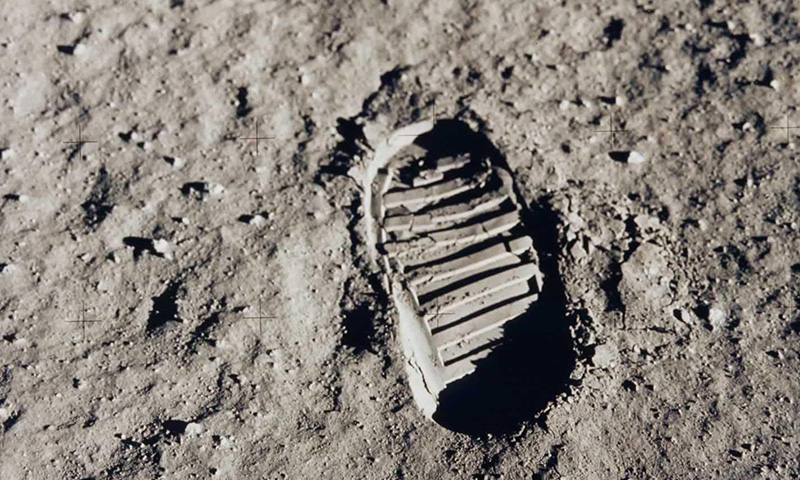
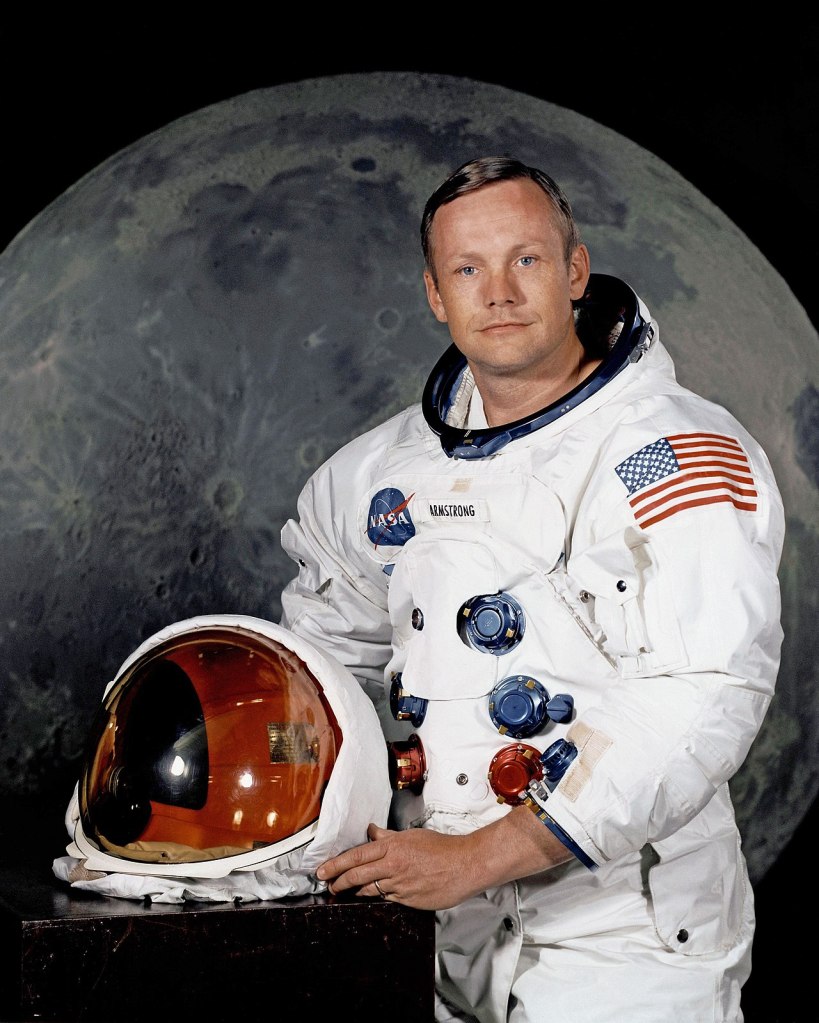
Precisely in 1969 at 02:56 UTC, Neil Armstrong became the first human being to step on the Moon: “One small step for a man, one giant leap for mankind”
Per l’appunto nel 1969 alle ore 02:56 UTC, Neil Armstrong diventa il primo essere umano a compiere un passo sulla Luna: “un piccolo passo per l’uomo, un grande passo per l’umanità”
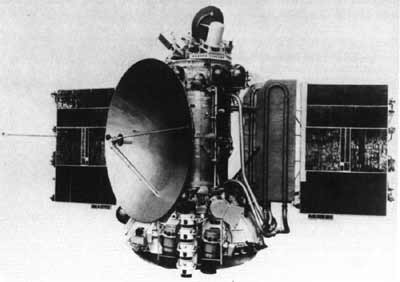
In 1973 the eleventh probe to Mars was launched, as part of the Russian Mars 4 mission, which however failed to enter the planet’s orbit
Nel 1973 avviene il lancio dell’undicesima sonda verso Marte, nell’ambito della missione russa Mars 4, che però non riuscirà a immettersi nell’orbita del pianeta
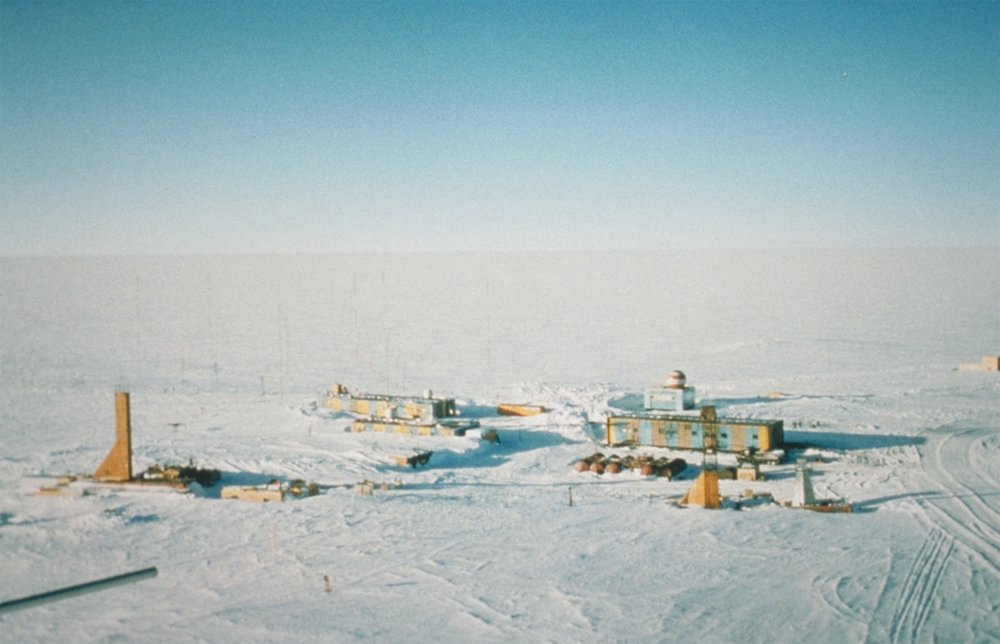
The lowest temperature ever measured on Earth is recorded at the Russian Wostok scientific station in Antarctica, equal to -89.2 °C, -128,6 °F
Nel 1983 iene registrata nella base scientifica russa Vostok in Antartide la temperatura più bassa mai misurata sulla Terra, pari a -89,2 °C
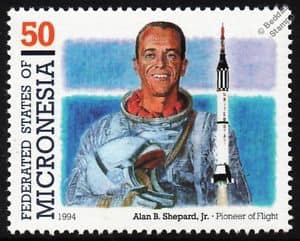
In 1998 Alan Shepard died (see stamp image), the first American to fly into space and one of the 12 men who landed on the Moon as commander of the Apollo 14 mission.
Nel 1998 muore Alan Shepard (vedi immagine francobollo), il primo americano a volare nello spazio e uno dei 12 uomini scesi sulla Luna come comandante della missione Apollo 14.
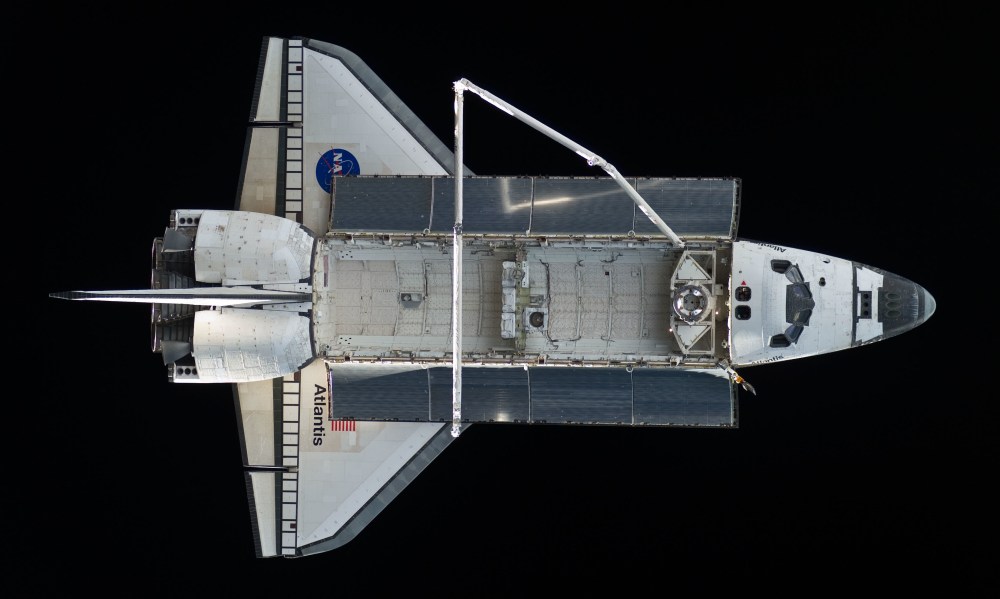
In 2011 at 5:57 a.m. EDT, the Atlantis spacecraft lands for the last time in the history of the Space Shuttle program
Nel 2011 alle 5:57 a.m. EDT, atterra la navicella Atlantis per l’ultima volta nella storia del programma Space Shuttle
To receive the Astronomy Bulletin Of the Day in your inbox, please use contact form: https://abod.blog/contacts/
Per ricevere il bollettino per gli astronaviganti giornaliero nella tua posta elettronica, usa il form contatti: https://abod.blog/contacts/
Text and video source: Wikipedia, NASA, YouTube
Sostieni anche tu Wikipedia
Google translate
 Astronomy Bulletin Of the Day


Un commento
I commenti sono chiusi.