🇬🇧 – 🇮🇹
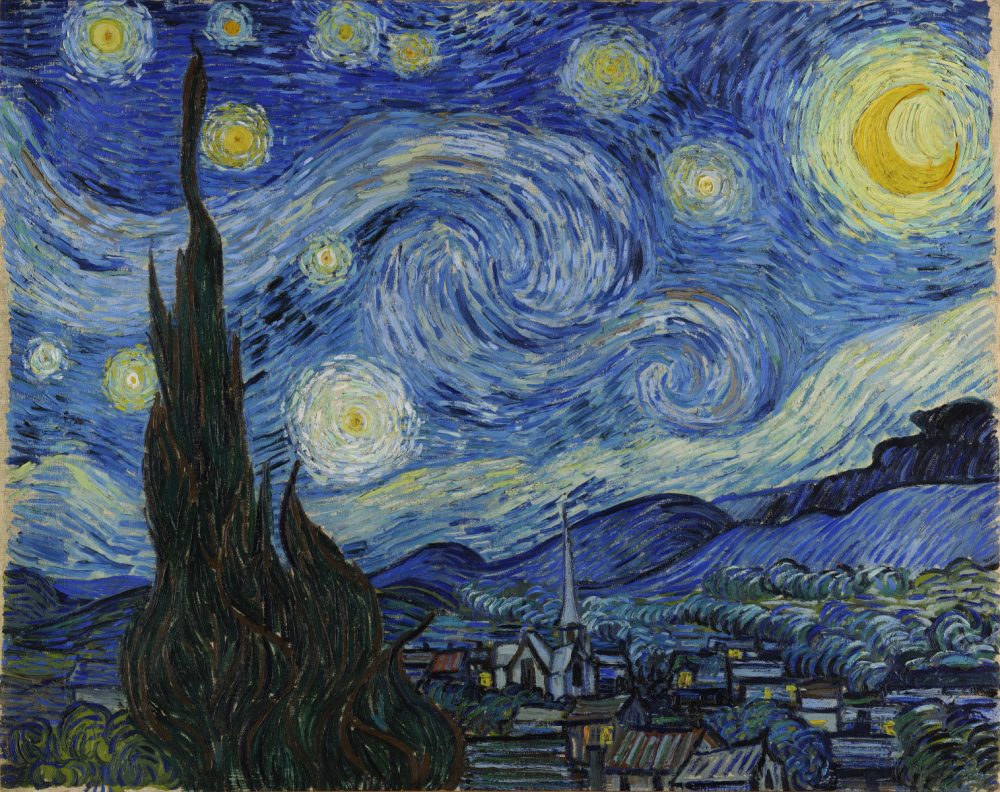
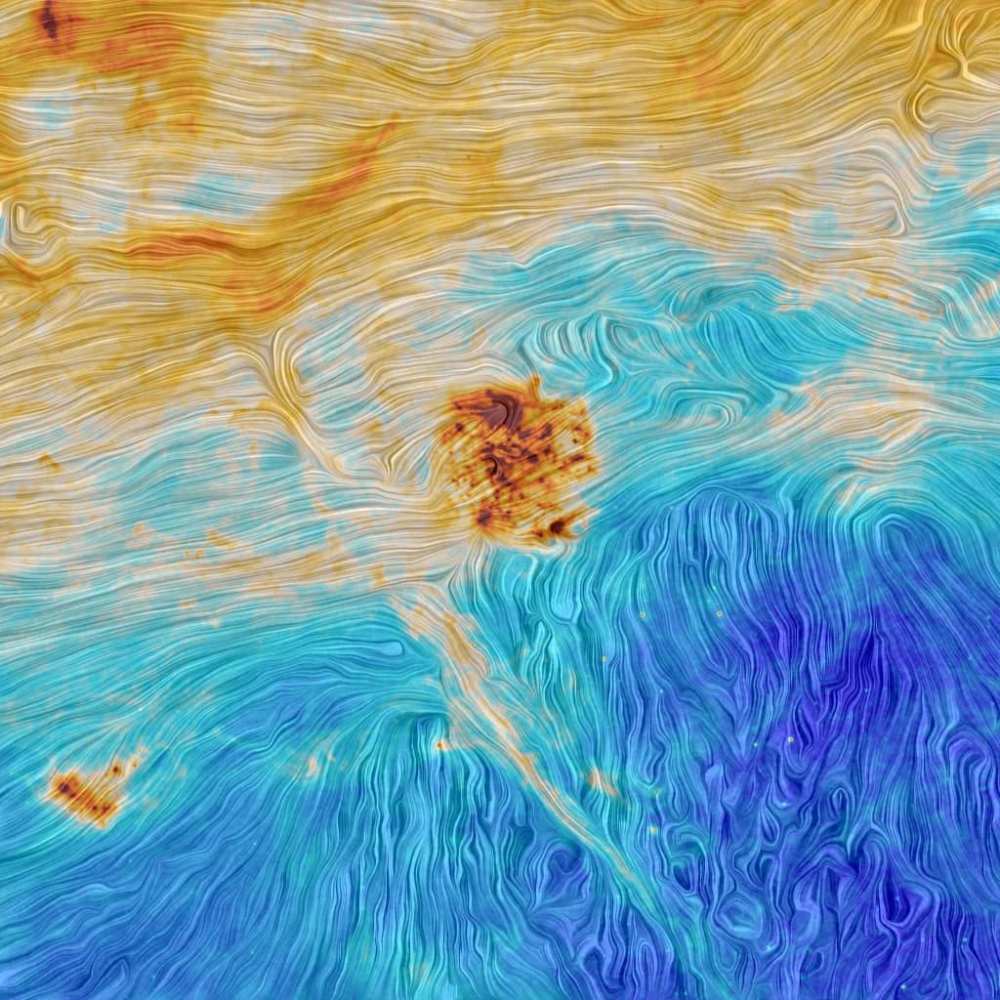
In 1890 the great Van Gogh was born, a crazy and misunderstood artistic genius! I would like to remember him with his famous starry night (at the top right you find Venus!). Curiosity: in the image below you will find a detail of the Magellanic clouds (galaxies in the southern hemisphere) that probably Van Gogh would have represented in this way but in reality it is an image taken by the Planck / ESA telescope engaged from 2009 to 2013 in the hunt of the cosmic microwave background (i.e. the first fossil light since the Big Bang). The Large Magellanic Cloud, 160,000 light years away from us, can be identified with that cluster of orange and red almost in the center of the box. The Small Magellanic Cloud, 200,000 light-years from Earth, is that triangular spot in the lower left.
Nel 1890 nasce il grande Van Gogh, genio artistico folle ed incompreso di cui voglio condividere con voi la sua celebre notte stellata (dove in alto a destra il famoso pittore ha dipinto Venere!). Curiosità: nell’immagine sotto troverete un dettaglio delle nubi di Magellano (galassie nell’emisfero sud) che probabilmente Van Gogh le avrebbe così rappresentate ma in realtà si tratta di un’immagine ripresa dal telescopio Planck / ESA impegnato dal 2009 al 2013 alla caccia della radiazione cosmica di fondo (ovvero la prima luce fossile dal Big Bang). La Grande Nube di Magellano, a 160 mila anni luce da noi, è identificabile con quell’ammasso di arancione e rosso quasi al centro del riquadro. La Piccola Nube di Magellano, a 200 mila anni luce dalla Terra, è quella macchia triangolare in basso a sinistra.
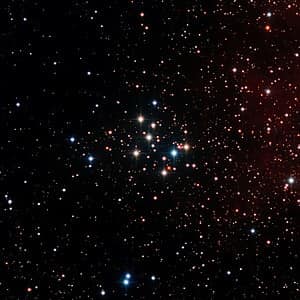
In 1764 discovery of M29 (the open cluster in Cygnus, see photo) by the French astronomer Charles Messier.
Nel 1764 scoperta di M29 (l’ammasso aperto nel Cigno, vedi foto) dall’astronomo francese Charles Messier.

In 1851 Annibale de Gasparis discovered the asteroid 15 Eunomia (see image) at the Capodimonte astronomical observatory. Eunomia is one of the largest main belt asteroids, light in color and composed of silicates, nickel and iron.
Nel 1851 Annibale de Gasparis scopre l’asteroide 15 Eunomia (vedi immagine) all’Osservatorio astronomico di Capodimonte. Eunomia è uno degli asteroidi della fascia principale di maggiori dimensioni, di colore chiaro ed è composto da silicati, nichel e ferro.

In 1958, the National Aeronautics and Space Administration (NASA), the US civilian government agency responsible for the space program, was founded. Happy Birthday NASA!
Nel 1958 viene fondata la National Aeronautics and Space Administration (Nasa), l’agenzia governativa civile statunitense responsabile del programma spaziale. Buon compleanno Nasa!
To receive the Astronomy Bulletin Of the Day in your inbox, please put your email address on the contact form: https://abod.blog/contacts/
Per ricevere il bollettino per gli astronaviganti giornaliero nella tua posta elettronica, inserisci la tua mail nel form contatti: https://abod.blog/contacts/
Text and video source: Wikipedia, NASA
Sostieni anche tu Wikipedia
Google translate
 Astronomy Bulletin Of the Day