
🇬🇧 – 🇮🇹
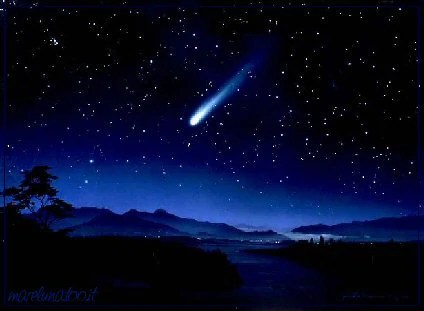
In 1864 the astronomer Giovan Battista Donati observed the first cometary spectrum (Tempel 1864 II – C/1864 N1)
Nel 1864 l’astronomo Giovan Battista Donati osserva il primo spettro cometario (Tempel 1864 II – C/1864 N1)
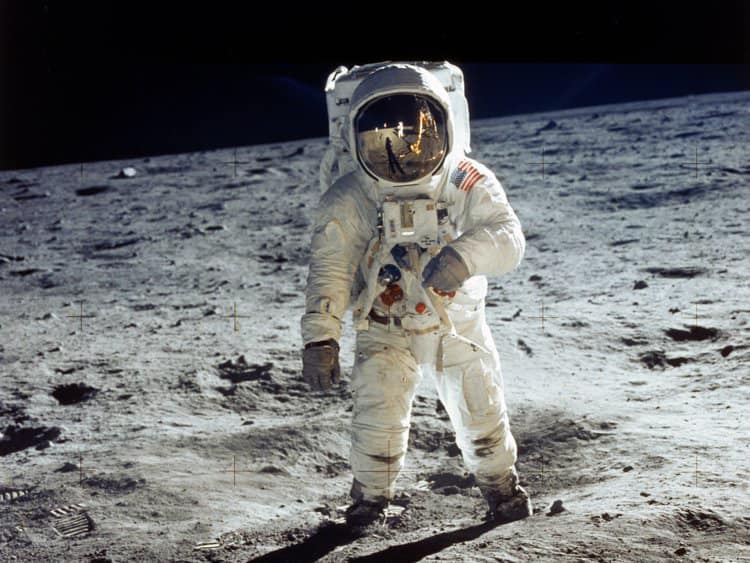
In 1930 Neil Armstrong was born, the first astronaut to set foot on the Moon at 02:56:15 UTC on July 21, 1969.
Nel 1930 nasce Neil Armstrong, il primo astronauta a posare il piede sulla Luna alle 02:56:15 UTC del 21 luglio del 1969.
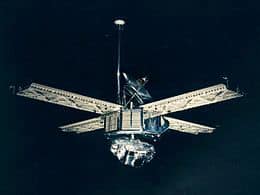
In 1969 the probe of the American mission Mariner 7 (see photo) reaches Mars: it will send a total of 126 photos to the Earth.
Nel 1969 la sonda della missione americana Mariner 7 (vedi foto) raggiunge Marte: invierà alla Terra un totale di 126 foto.
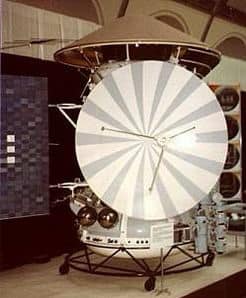
In 1973 the thirteenth probe was launched towards Mars, as part of the Russian mission Mars 6 (see photo) the probe will reach the planet on March 12, 1974 and send some data to the Earth.
Nel 1973 viene lanciata la tredicesima sonda verso Marte, nell’ambito della missione russa Mars 6 (vedi foto) la sonda raggiungerà il pianeta il 12 marzo 1974 ed invierà alla Terra alcuni dati.


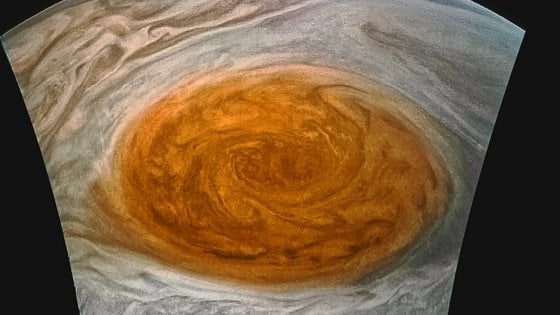
La fotocamera di Juno ha scattato immagini molto dettagliate di Giove, in particolare della Grande Macchia Rossa e delle regioni polari. Secondo i dati del radiometro, la Grande Macchia Rossa si estende fino a una profondità di almeno 300 chilometri ed è più calda alla sua base che alla sua superficie. È stato anche scoperto che la Grande Macchia Rossa rispetto all’interno del pianeta migra verso ovest impiegando quattro anni e mezzo per circumnavigare Giove.
In 2011, the Juno probe was launched aboard an Atlas V rocket from Cape Canaveral Air Force Station, Florida, arriving at its destination in July 2016. NASA has extended its mission until the end of 2025 (barring any technical unforeseen events). To avoid contamination of bacteria from Earth in the search for possible alien life, and considering that the moon Europa is one of the major candidates where to look for it, at the end of the Juno mission it will be intentionally deflected into the Jovian atmosphere, being completely destroyed. The objectives of the mission: to understand the structural properties and the general dynamics of the planet through the measurement of the mass and dimensions of the nucleus, of the gravitational and magnetic fields, to measure the composition of the Jovian atmosphere, the thermal profile, the wind speed profile and the opacity of clouds at depths greater than those reached by the Galileo spacecraft and to investigate the three-dimensional structure of the magnetosphere at the poles. This is the first mission to Jupiter to use solar panels instead of radioisotope thermoelectric generators.
Nel 2011 lancio della sonda Juno a bordo di un razzo Atlas V dalla Cape Canaveral Air Force Station, in Florida, arrivando a destinazione nel luglio 2016. La NASA ne ha esteso la missione sino alla fine del 2025 (salvo eventuali imprevisti tecnici). Per evitare contaminazioni di batteri provenienti da Terra nella ricerca di una possibile vita aliena, e considerando che la luna Europa è una delle maggiori candidate dove cercarla, alla fine della missione Juno sarà intenzionalmente deviata nell’atmosfera gioviana, venendo completamente distrutta. Gli obiettivi della missione: capire le proprietà strutturali e la dinamica generale del pianeta attraverso la misurazione della massa e delle dimensioni del nucleo, dei campi gravitazionale e magnetico, misurare la composizione dell’atmosfera gioviana, il profilo termico, il profilo di velocità dei venti e l’opacità delle nubi a profondità maggiori di quelle raggiunte dalla sonda Galileo e investigare sulla struttura tridimensionale della magnetosfera dei poli. Si tratta della prima missione diretta su Giove a usare pannelli solari invece di generatori termoelettrici a radioisotopi.
To receive the Astronomy Bulletin Of the Day in your inbox, please put your email address on the contact form: https://abod.blog/contacts/
Per ricevere il bollettino per gli astronaviganti giornaliero nella tua posta elettronica, inserisci la tua mail nel form contatti: https://abod.blog/contacts/
Text and video source: Wikipedia, NASA
Sostieni anche tu Wikipedia
Google translate
 Astronomy Bulletin Of the Day