
🇬🇧 – 🇮🇹

In 3114 BC. beginning of the current era according to the Long Calendar of the Maya
Nel 3114 a.C. inizio dell’era attuale secondo il Calendario lungo dei Maya
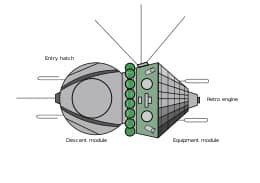
In 1962, the Vostok 3 probe was launched (see image) with cosmonaut Andrijan G. Nicolaiev on board with 64 orbits around our planet, setting the then record, with almost four days spent in space.
Nel 1962 lancio della sonda Vostok 3 (vedi immagine) con a bordo il cosmonauta Andrijan G. Nicolaiev con 64 orbite attorno al nostro pianeta, stabilendo l’allora record, con quasi quattro giorni di permanenza nello spazio.
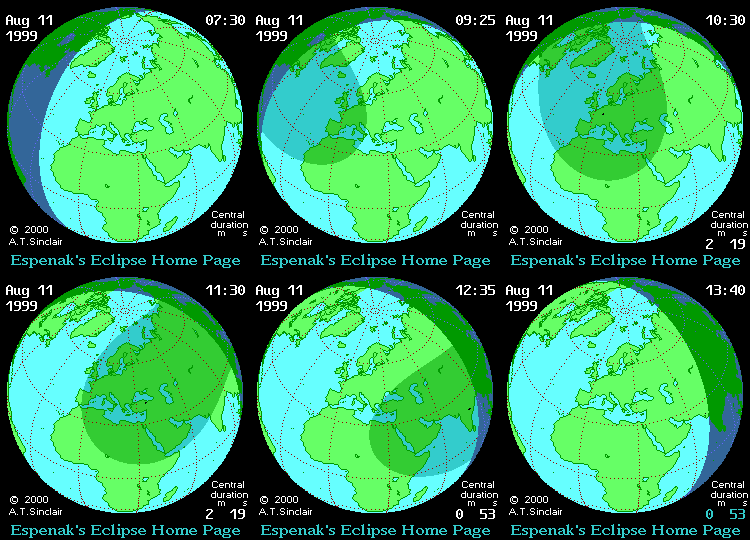
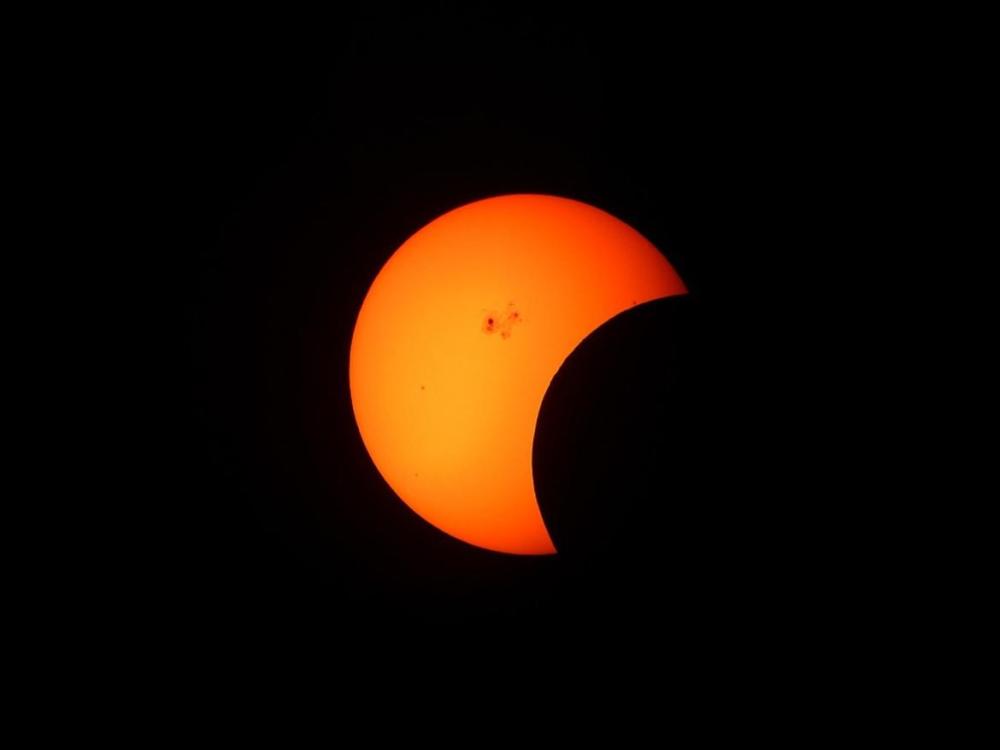
In 1999 total solar eclipse in Europe and Asia. The next total eclipse visible in Italy (southwest of Lampedusa) is expected on August 2, 2027
Nel 1999 Eclissi totale di Sole in Europa ed Asia. La successiva eclissi totale visibile in Italia (a sudovest di Lampedusa) è prevista per il 2 agosto 2027
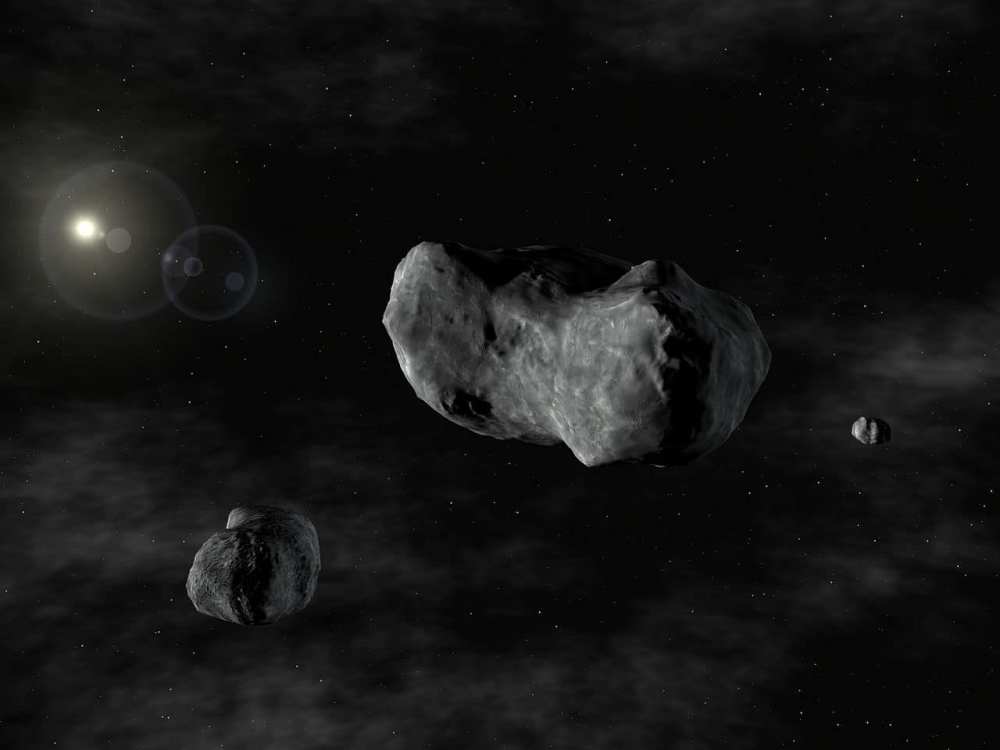
In 2005 confirmation of the discovery of the first triple asteroid, (87) Sylvia (see graphical representation). Sylvia is one of the largest main belt asteroids.
Nel 2005 conferma della scoperta del primo asteroide triplo, (87) Sylvia (vedi rappresentazione grafica). Sylvia è uno dei più grandi asteroidi della Fascia principale.
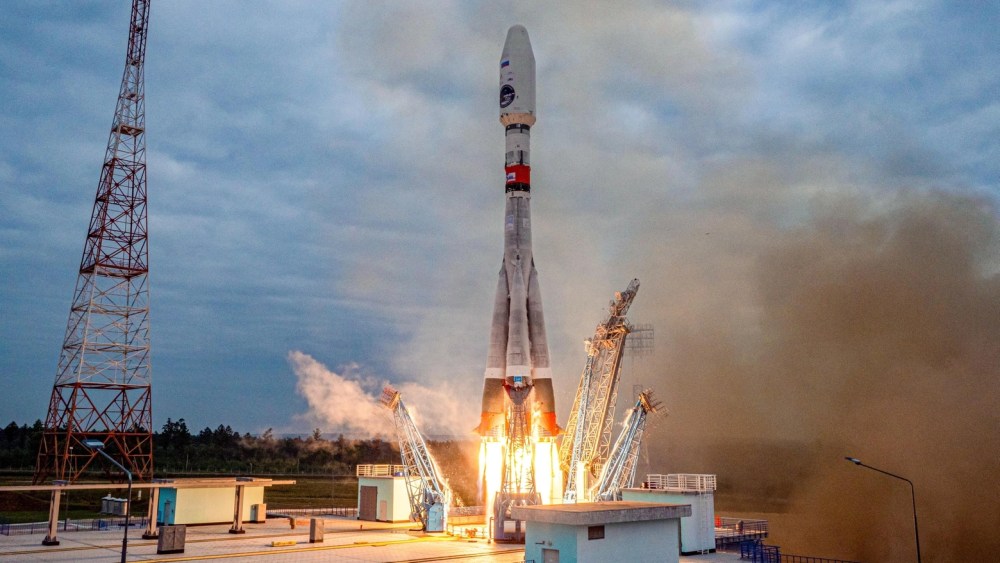
In 2023 at 1.10 am Italian time the Russian probe Luna-25 takes off from the Vostočnyj cosmodrome with a Soyuz rocket which will reach lunar orbit in five days and then chooses the right point to land in the area of the lunar south pole. Moon landing scheduled for August 21st. Mission objectives: in one year it will have the task of analyzing the soil as well as conducting long-term scientific research. The Russian space agency Roscosmos communicates the next lunar missions: Luna-26 in 2027, Luna-27 in 2028 and Luna-28 in 2030 or later.
Nel 2023 alle ore 1.10 italiane decolla dal cosmodromo Vostočnyj la sonda russa Luna-25 con un razzo Soyuz che raggiungerà l’orbita lunare in cinque giorni per poi scegliere il punto giusto dove atterrare nella zona del polo sud lunare. Allunaggio previsto il 21/8. Obiettivi della missione: in un anno avrà il compito di prelevare campioni e analizzare il suolo oltre che condurre ricerche scientifiche a lungo termine. L’agenzia spaziale russa Roscosmos comunica le prossime missioni lunari ovvero: Luna-26 nel 2027, Luna- 27 nel 2028 e Luna-28 nel 2030 o più tardi.
To receive the Astronomy Bulletin Of the Day in your inbox, please put your email address on the contact form: https://abod.blog/contacts/
Per ricevere il bollettino per gli astronaviganti giornaliero nella tua posta elettronica, inserisci la tua mail nel form contatti: https://abod.blog/contacts/
Text and video source: Wikipedia, NASA
Sostieni anche tu Wikipedia
Google translate
 Astronomy Bulletin Of the Day
Un commento
I commenti sono chiusi.