
🇬🇧 – 🇮🇹

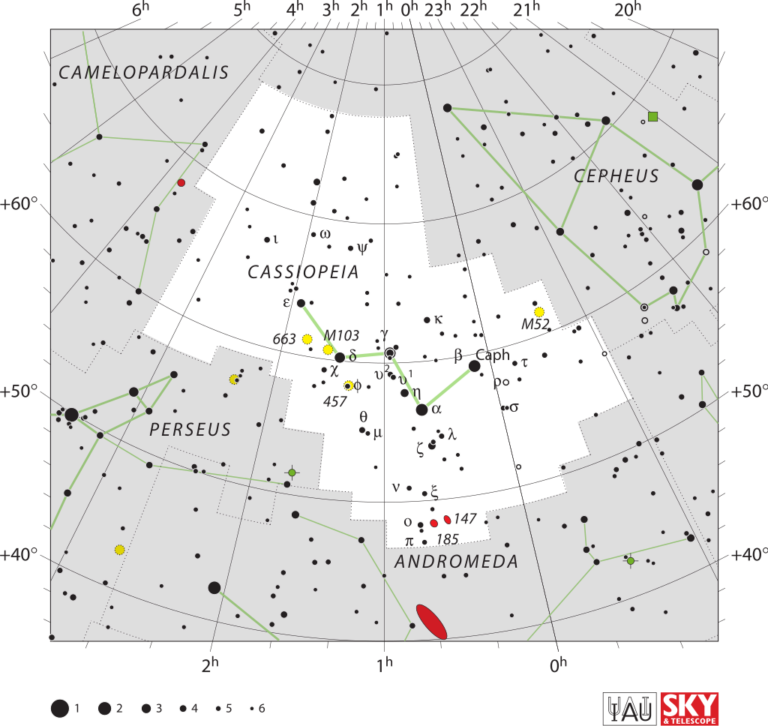
Mappa celeste @Sky&telescope
In 1774 Charles Messier discovered the open cluster Messier 52 (or NGC 7654, see photo) in the constellation Cassiopeia and described it thus: “Cluster of very small stars, mixed with nebulosity, which can only be seen in an achromatic telescope… it is under the star of Cassiopeia…”
Nel 1774 Charles Messier scopre l’ammasso aperto M52 (o NGC 7654, vedi foto) nella costellazione di Cassiopea e lo descrive così: “Ammasso di piccolissime stelle, mescolate con nebulosità, che può essere visto solo in un telescopio acromatico… è sotto la stella d di Cassiopeia…”
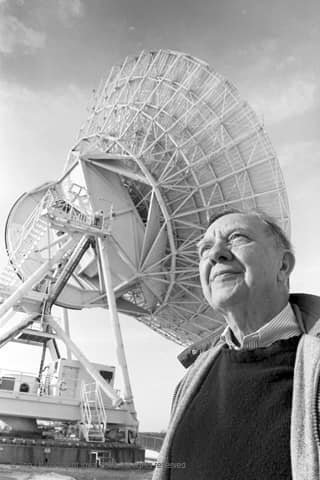
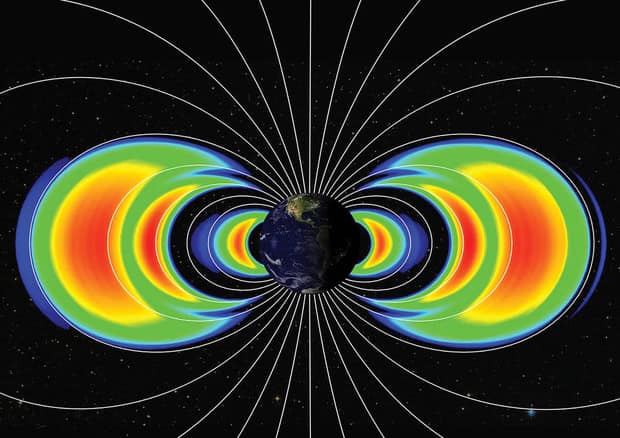
J.A. Van Allen was born in 1914, take a look to his biography https://en.wikipedia.org/wiki/James_Van_Allen. He discovered the radiation belts https://en.wikipedia.org/wiki/Van_Allen_radiation_belt
Nel 1914 nasce J.A. Van Allen (vedi foto), che scoprì le omonime fasce (vedi immagine) https://it.wikipedia.org/wiki/Fasce_di_Van_Allen
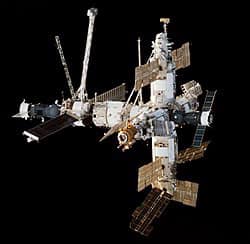
In 1988 Abdul Ahad Mohmand, the first Afghan in space, returned to earth aboard the Soviet Soyuz TM-5 shuttle, after nine days spent on the Mir space station.
Nel 1988 Abdul Ahad Mohmand, il primo afgano nello spazio, rientra a terra a bordo della navetta sovietica Soyuz TM-5, dopo nove giorni passati sulla stazione spaziale Mir.
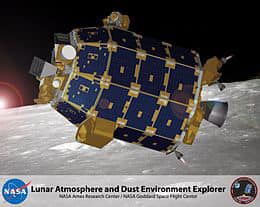
In 2013, launch of the US Lunar Atmosphere and Dust Environment Explorer (LADEE) probe. Objectives of the mission: to determine the density, composition and spatial and temporal variability of the atmosphere and lunar exosphere; investigate the processes underlying their dynamics and leading to their formation; determine the phenomena associated with the transport of dust, raised by electrostatic effects, and evaluate their implications on future human activities on the Moon.
Nel 2013 lancio della sonda statunitense Lunar Atmosphere and Dust Environment Explorer (LADEE). Scopi della missione: determinare la densità, composizione e variabilità spaziale e temporale dell’atmosfera e dell’esosfera lunare; investigare i processi alla base della loro dinamica e che conducono alla loro formazione; determinare i fenomeni associati al trasporto della polvere, sollevata per effetti elettrostatici e valutarne le ricadute sulle future attività umane sulla Luna.
To receive the Astronomy Bulletin Of the Day in your inbox, please put your email address on the contact form: https://abod.blog/contacts/
Per ricevere il bollettino per gli astronaviganti giornaliero nella tua posta elettronica, inserisci la tua mail nel form contatti: https://abod.blog/contacts/
Text, images and video source: Wikipedia, NASA
Sostieni anche tu Wikipedia
Google translate
 Astronomy Bulletin Of the Day