
🇬🇧 – 🇮🇹
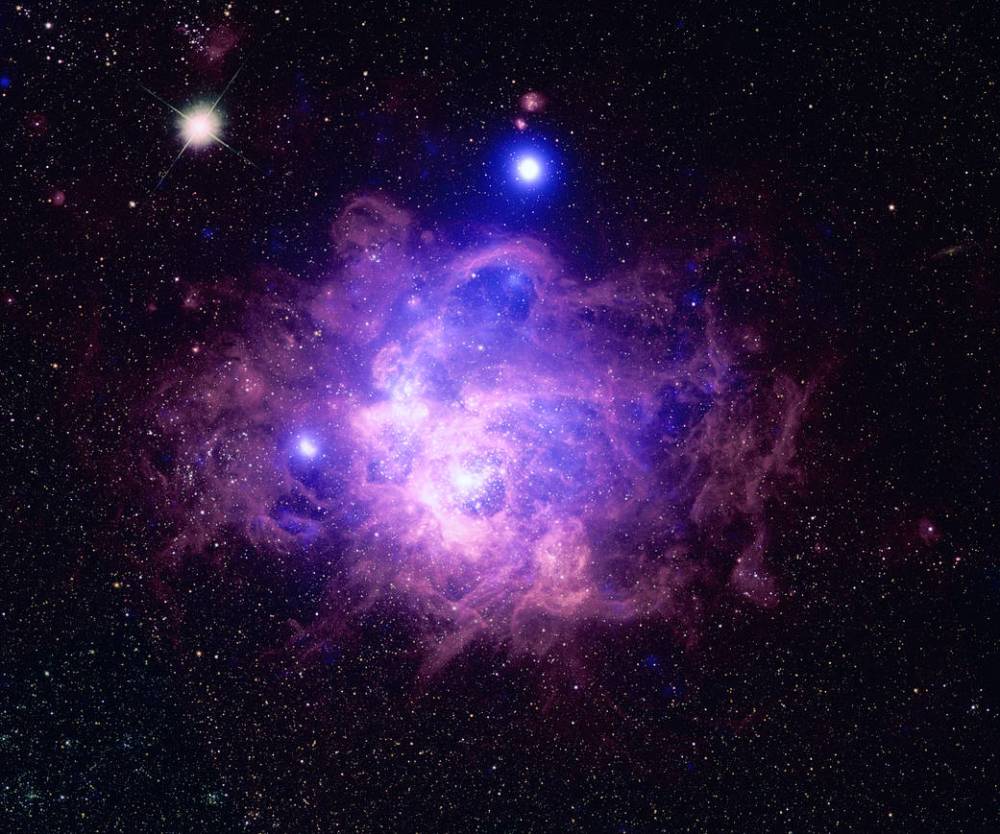
Image credit: X-ray: NASA/CXC/CfA/R. Tuellmann et al.; Optical: NASA/AURA/STScI/J. Schmidt
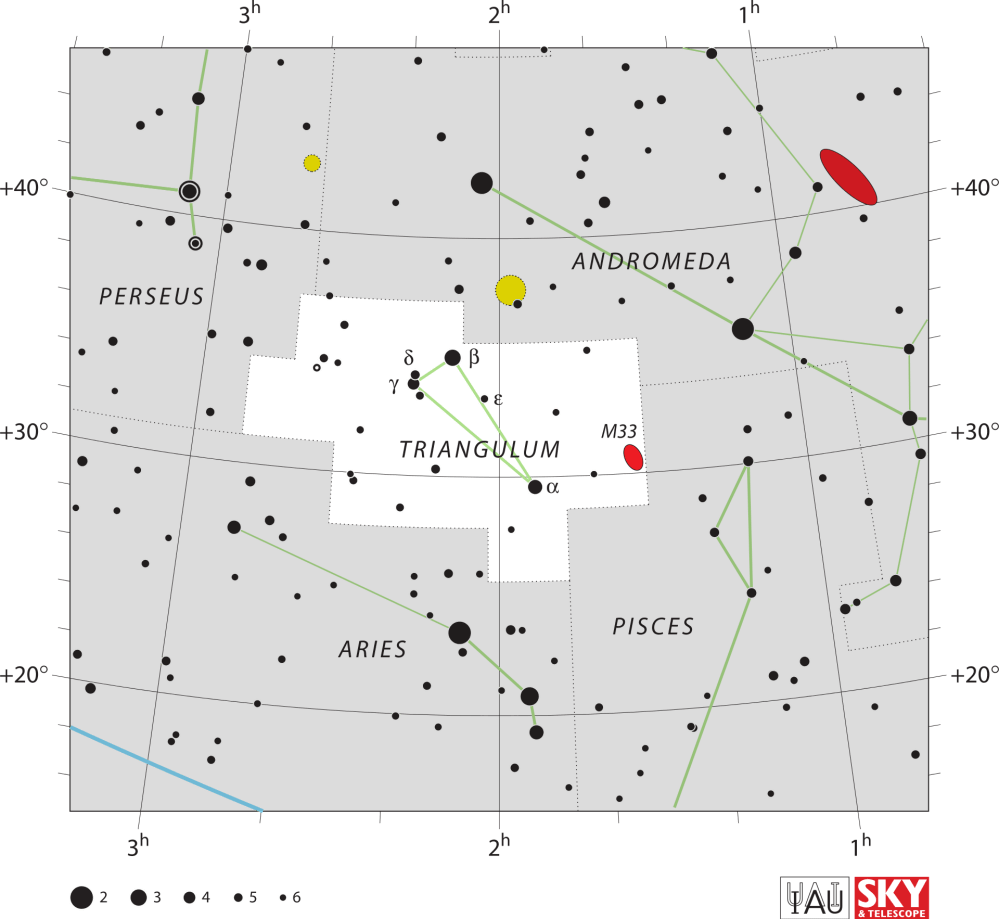
In 1764 William Herschel discovered NGC 604 (see photo), one of the largest H II regions (an emission nebula associated with young, blue and hot stars) of the Local group and within the Triangle Galaxy (Messier 33).
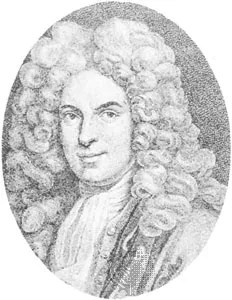
In 1768 the French astronomer Joseph-Nicolas Delisle died; his name is linked to a temperature scale he invented in 1732 “the Delisle scale” and the Delisle crater on the Moon and the asteroid 12742 Delisle were dedicated to him. Among his students we remember Jérôme Lalande and Charles Messier, he also met Isaac Newton and Edmond Halley, who at that time was Astronomer Royal. Among his works we remember one on the calculation of the Earth-Sun distance and he observed the transit of Mercury and Venus.
Nel 1768 muore l’astronomo francese Joseph-Nicolas Delisle; il suo nome è legato ad una scala delle temperature da lui inventata nel 1732 “la scala Delisle” e a lui è stato dedicato il cratere Delisle sulla Luna e l’asteroide 12742 Delisle. Tra i suoi allievi si ricordano Jérôme Lalande e Charles Messier, inoltre conobbe Isaac Newton e Edmond Halley, che a quel tempo era Astronomo Reale. Tra i suoi lavori ricordiamo uno sul calcolo della distanza Terra-Sole e ha osservato il transito di Mercurio e di Venere.

The German industrialist Carl Zeiss was born in 1816 and in 1846 he founded the famous optical manufacturer in Jena which brought important innovations to the entire sector; Carl Zeiss’s contribution was to firmly rely on the scientific method and product quality.
Nel 1816 nasce l’industriale tedesco Carl Zeiss che nel 1846 fonda a Jena la famosa manifattura ottica che portò importanti innovazioni a tutto il settore; il contributo di Carl Zeiss fu quello di confidare fermamente sul metodo scientifico e sulla qualità del prodotto.

Musée Anne de Beaujeu
In 1822 the Holy Office abolished the condemnation of Copernican theories pronounced on 5 March 1616 (with a decree confirmed on the 25th following by PIUS VII). See also bulletin https://abod.blog/2023/06/22/june-giugno-22/
Nel 1822 il Santo Uffizio abolisce la condanna delle teorie copernicane pronunciata il 5 marzo 1616 (con decreto confermato il 25 successivo da PIO VII). Leggi anche il bollettino del https://abod.blog/2023/06/22/june-giugno-22/
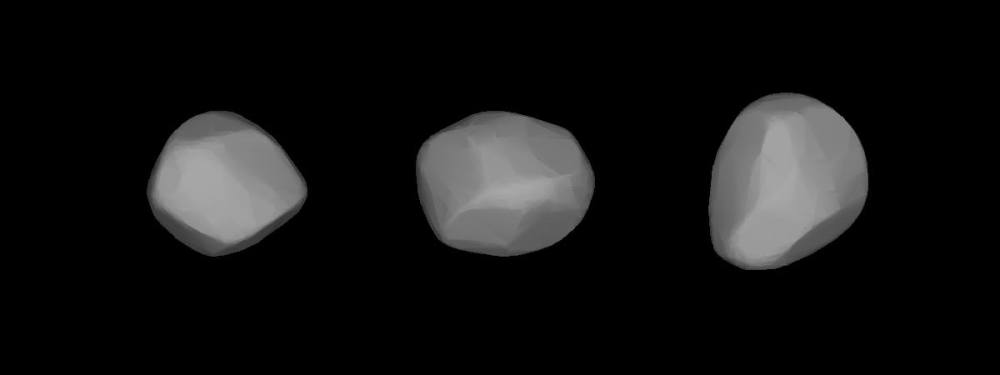
In 1858 George Mary Searle discovered the asteroid 55 Pandora (see rendering)
Nel 1858 George Mary Searle scopre l’asteroide 55 Pandora (vedi rendering)
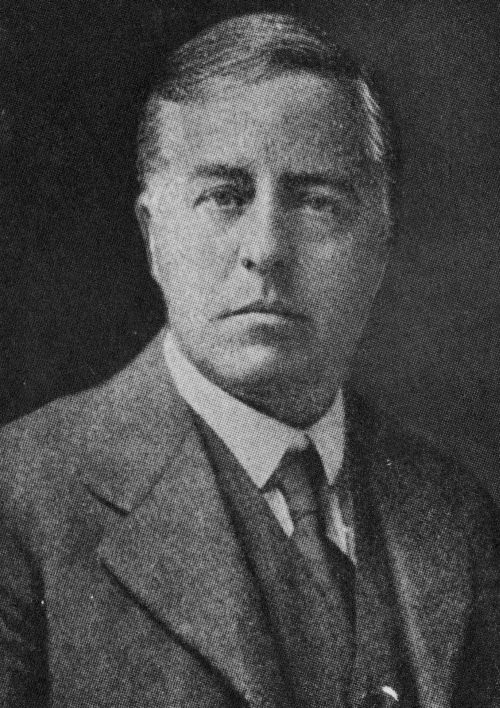
In 1877, the English astronomer and physicist James Hopwod Jeans was born, known for his research in quantum physics, a famous science communicator and author of numerous books for the general public.
Nel 1877 nasce l’astronomo e fisico inglese James Hopwod Jeans noto per le ricerche di fisica quantistica, famoso divulgatore scientifico e autore di numerosi libri per il grande pubblico.
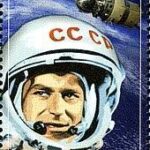
In 1935, the Soviet cosmonaut German Stepanovič Titov was born, the second after Yurij Gagarin in space aboard Vostok 2.
Nel 1935 nasce il cosmonauta sovietico German Stepanovič Titov, il secondo dopo Jurij Gagarin nello spazio a bordo della Vostok 2.

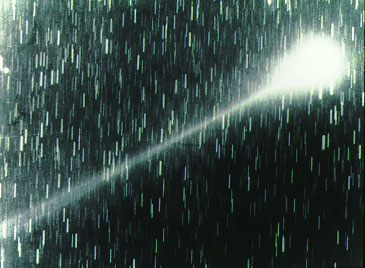
In 1985 the ICE (International Cometary Explorer) probe, see photo, approached comet P/Giacobini-Zinner, up to a distance of approximately 7800 km from the nucleus.
Nel 1985 la sonda ICE (International Cometary Explorer), vedi foto, si avvicina alla cometa P/Giacobini-Zinner, fino a alla distanza di circa 7800 km dal nucleo.

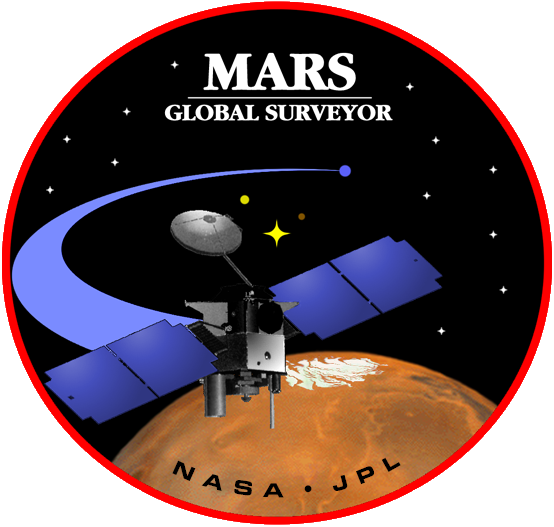
In 1997 the Mars Global Surveyor probe (see photo) entered Martian orbit.
Nel 1997 la sonda Mars Global Surveyor (vedi foto) entra in orbita marziana.

In 2010, launch of the Michibiki satellite (Japanese word meaning “to show the way”), for navigation and placed on a geo-synchronous elliptical orbit inclined 45° to the equator
Nel 2010 lancio del satellite Michibiki (parola giapponese che significa “indicare la strada”), per la navigazione e posto su un’orbita ellittica geo-sincrona e inclinata di 45° sull’equatore
To receive the Astronomy Bulletin Of the Day in your inbox, please put your email address on the contact form: https://abod.blog/contacts/
Per ricevere il bollettino per gli astronaviganti giornaliero nella tua posta elettronica, inserisci la tua mail nel form contatti: https://abod.blog/contacts/
Text, images and video source: Wikipedia, NASA, YouTube
Sostieni anche tu Wikipedia
Google translate
 Astronomy Bulletin Of the Day