🇬🇧 – 🇮🇹
In 1582 this day does not exist in the Gregorian calendar: to realign the calendar with the seasons (to bring the spring equinox back to around March 21st), the days from 5 to 14 October 1582 are skipped
Nel 1582 questo giorno non esiste nel calendario gregoriano: per riallineare il calendario alle stagioni (per riportare l’equinozio di primavera attorno al 21 marzo), i giorni dal 5 al 14 ottobre 1582 vengono saltati
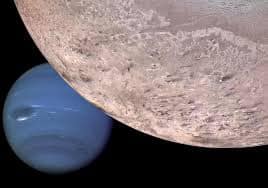
In 1880 the English astronomer William Lassell died, discoverer of Triton, the largest moon of Neptune, shortly after the discovery of Neptune himself, also co-discoverer of Hyperion, a moon of Saturn, as well as Ariel and Umbriel, two new moons of Uranus.
Nel 1880 muore l’astronomo inglese William Lassell scopritore di Tritone, la più grande luna di Nettuno, poco tempo dopo la scoperta dello stesso Nettuno, inoltre co-scopritore di Iperione, una luna di Saturno, oltre che Ariel e Umbriel, due nuove lune di Urano.
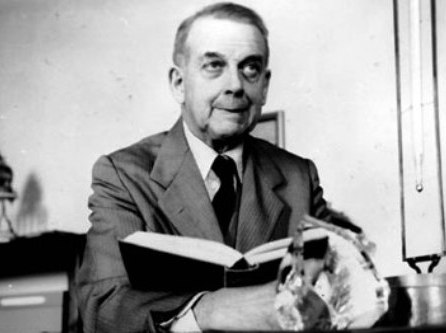
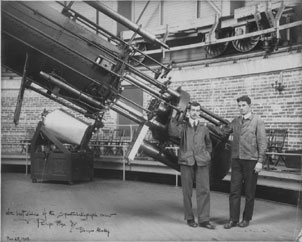
The Italian astronomer Giorgio Abetti was born in 1882 and was responsible for the important scientific contribution indicated in the 1929 article in the Handbuch der Astrophysik in which he took stock of the progress of solar physics. This work has been considered for many years a sort of starting point for the specialization of many young astronomers. Abetti was also a great popularizer. He was also director of the Arcetri Observatory until 1952.
Nel 1882 nasce l’astronomo italiano Giorgio Abetti a cui si deve l’importante contributo scientifico indicato nell’articolo del 1929 sull’Handbuch der Astrophysik in cui fa il punto sui progressi della fisica solare. Questo lavoro è stato considerato per tanti anni una sorta di punto di partenza per la specializzazione di tanti giovani astronomi. Abetti è stato anche un grande divulgatore. Fu anche direttore dell’Osservatorio di Arcetri sino al 1952.
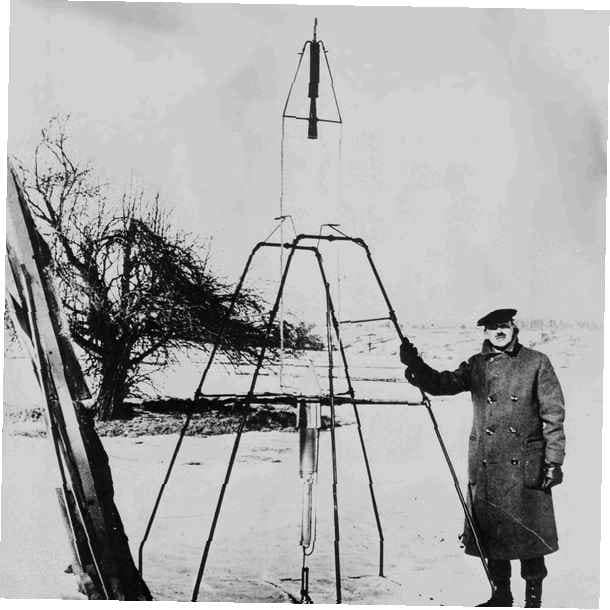
Robert Goddard was born in 1882, the American engineer who developed the first liquid propellant rocket in 1926; NASA dedicates the Goddard Space Flight Center in Maryland (USA) to him, which is one of the largest laboratories for space sciences.
Nel 1882 nasce Robert Goddard l’ingegnere statunitense che nel 1926 sviluppò il primo razzo a propellente liquido; la Nasa gli dedica il Goddard Space Flight Center nel Maryland (USA) che è uno dei maggiori laboratori che riguardano le scienze dello spazio.

In 1923 – 100 YEARS AGO – Edwin Hubble identified some Cepheid variables in M31 (Andromeda Galaxy) in some photos created at the Mount Wilson Observatory, thus making distance measurement much more accurate; in fact, his measurements unequivocally demonstrated that M31 is an independent galaxy located at a considerable distance from ours.
Nel 1923 – 100 ANNI FA – Edwin Hubble identifica in M31 (Galassia di Andromeda) alcune variabili Cefeidi in alcune foto create nell’Osservatorio di Monte Wilson, rendendo così molto più accurata la misurazione della distanza; le sue misurazioni infatti dimostrarono inequivocabilmente che M31 è una galassia indipendente situata a notevole distanza dalla nostra.
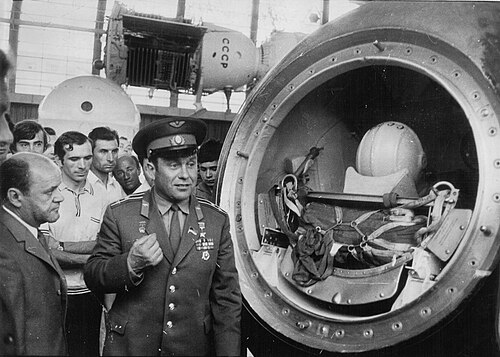
In 1930 the Russian cosmonaut Pavel Romanovich Popovich was born, commander of Vostok 4, after 70 hours and 57 minutes of missions, on 15 August 1962 Vostok 4 landed without problems.
Nel 1930 nasce il cosmonauta russo Pavel Romanovich Popovich comandante della Vostok 4, dopo 70 ore e 57 minuti di missioni, il 15 agosto 1962 la Vostok 4 atterrò senza problemi.
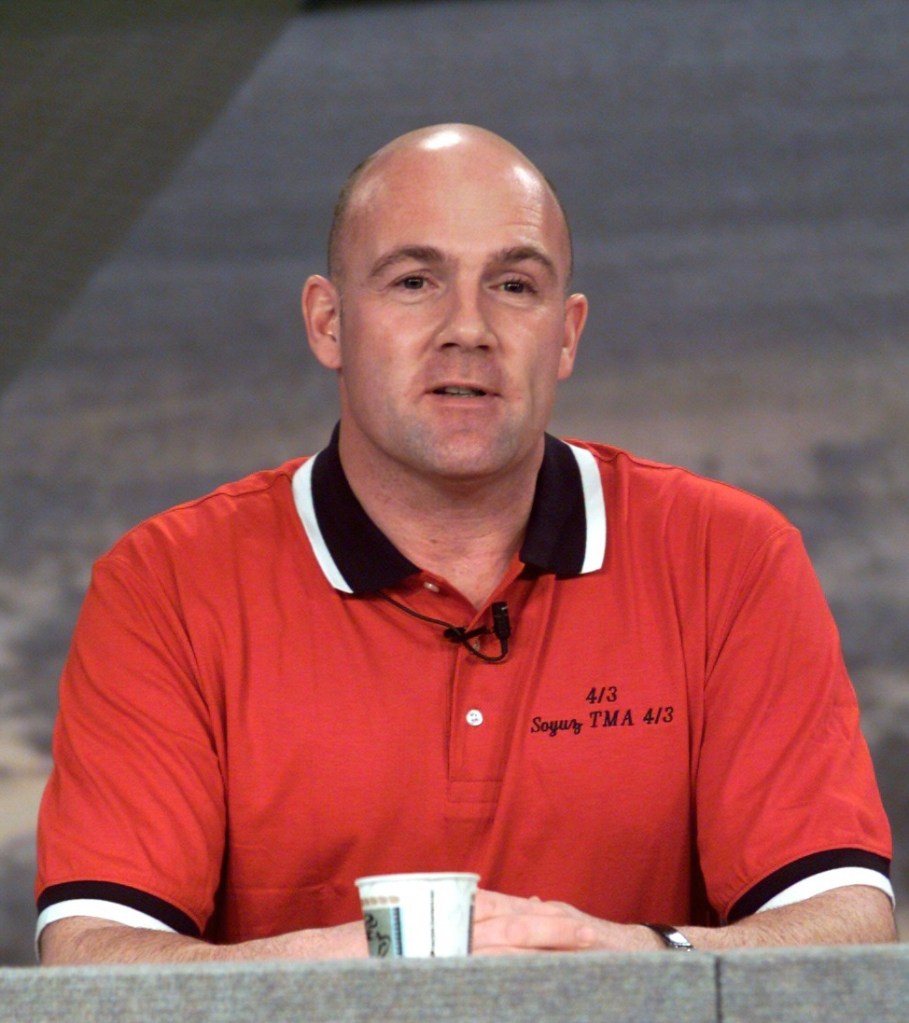
André Kuipers, a Dutch astronaut and doctor, was born in 1958. He was the third Dutchman to go into space. On 19 April 2004 he left for the International Space Station with the Russian Soyuz TMA-4 mission and returned on 30 April 2004 with the Soyuz TMA-3. Kuipers participated in the Expedition 30 and Expedition 31 missions
Nel 1958 nasce André Kuipers, un astronauta e medico olandese. È stato il terzo olandese ad andare nello spazio. Il 19 aprile 2004 è partito verso la Stazione Spaziale Internazionale con la missione russa Sojuz TMA-4 ed è rientrato il 30 aprile 2004 con la Sojuz TMA-3. Kuipers ha partecipato alle missioni Expedition 30 e Expedition 31
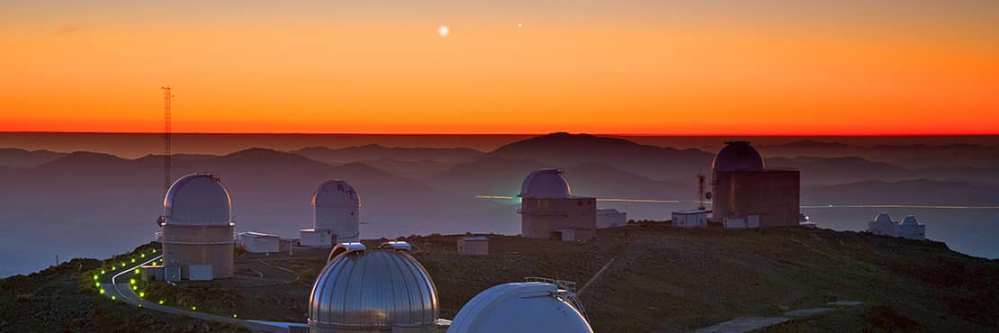
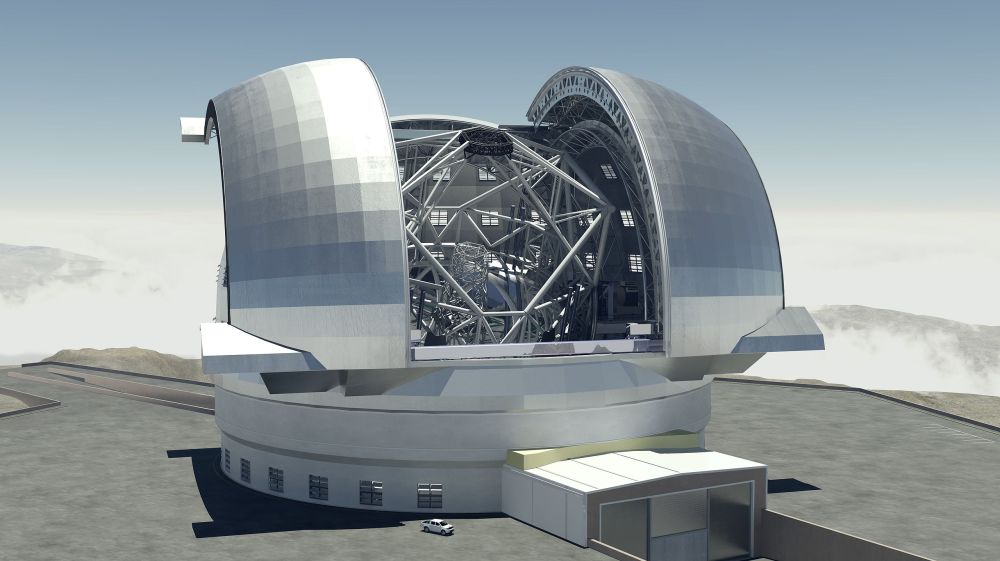
In 1962 the ESO (European Southern Observatory was founded, of which we highlight the interesting virtual tours of the Paranal observatory in Chile. ESO has three first-rate observation sites in the Atacama desert region in Chile: La Silla with the first Observatory, Paranal (with the Very Large Telescope VLT see trailer in the comments), Chajnantor (with ALMA, The Atacama Large Millimeter/submillimeter Array). The Extremely Large Telescope or (ELT) with a diameter of 39 meters is under construction, destined to become “the world’s largest eye on the sky.
Nel 1962 viene fondato l’ESO (European Southern Observatory) di cui segnaliamo gli interessanti tour virtuali dell’osservatorio Paranal in Cile. L’ESO ha tre siti osservativi di prim’ordine nella regione del deserto di Atacama in Cile: La Silla con il primo Osservatorio, Paranal (con il Very Large Telescope VLT vedi trailer nei commenti), Chajnantor (con ALMA, L’Atacama Large Millimeter/submillimeter Array). In costruzione l’Extremely Large Telescope o (ELT) di 39 metri di diametro, destinato a diverntare “il più grande occhio del mondo rivolto al cielo.
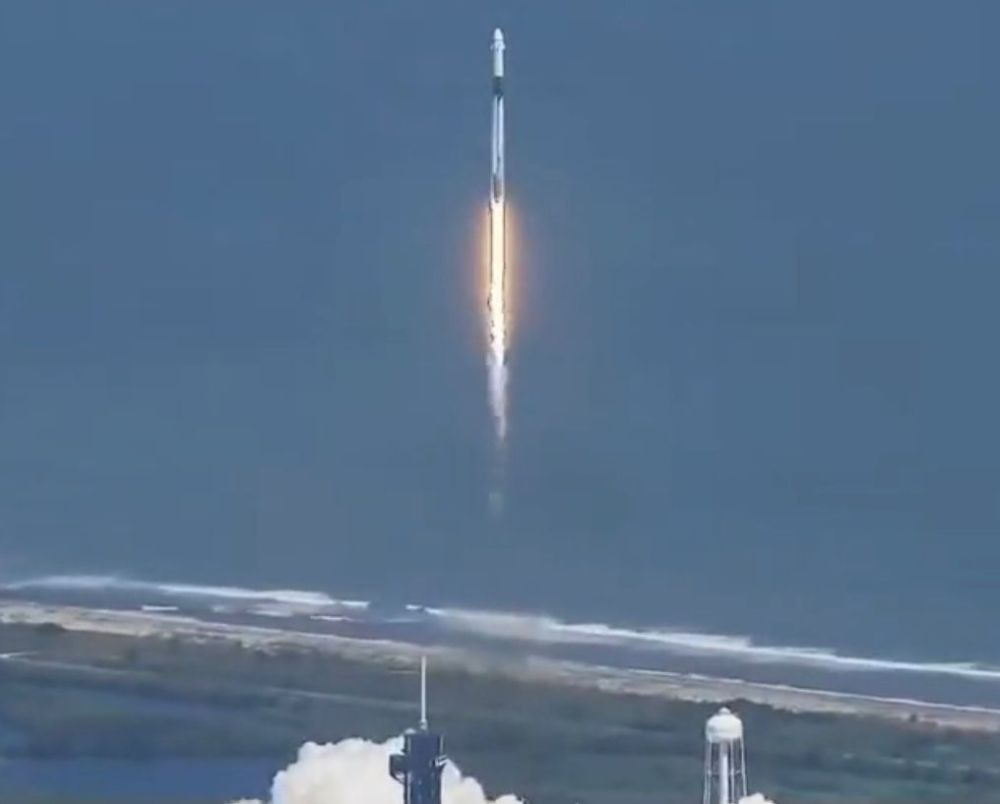
In 2022 Launch of Falcon 9 v1.2 Dragon v2 Crew-5 (USCV-5) – Expedition 68 at 18:00 Florida, Astronauts: Nicole Aunapu Mann, Josh A. Cassada, Koichi Wakata, Anna Kikina. Shuttle: C210 /2 Endurance. First stage serial no.: 1077 /1
Nel 2022 Lancio del Falcon 9 v1.2 Dragon v2 Crew-5 (USCV-5) Expedition 68 alle ore 18:00 Florida, Astronauti: Nicole Aunapu Mann, Josh A. Cassada, Koichi Wakata, Anna Kikina. Navetta: C210 /2 Endurance. N. seriale primo stadio: 1077 /1
To receive the Astronomy Bulletin Of the Day in your inbox, please put your email address on the contact form: https://abod.blog/contacts/
Per ricevere il bollettino per gli astronaviganti giornaliero nella tua posta elettronica, inserisci la tua mail nel form contatti: https://abod.blog/contacts/
Text, images and video source: Wikipedia, NASA, ESO
Sostieni anche tu Wikipedia
Google translate
 Astronomy Bulletin Of the Day