
🇬🇧 – 🇮🇹
In 265 BC, the first observations of Mercury were recorded, cited by Ptolemy in the Almagest, by Timocharis. The ancient Greeks believed that the east and west elongations of the planet represented two distinct bodies: Hermes (evening star) and Apollo (morning star). They later realized that it was a single object and pointed to it as Hermes, the messenger of the gods and god of twilight. Mercury was already noticed by the Assyrians in the 14th century BC. they listed the name of Mercury, transcribed as “Udu” in cuneiform characters, in some astronomy tables. The Babylonians used to call Mercury with the name of Nabu, or “god of wisdom and writing” according to their mythology.
Nel 265 a.C vengono registrate le prime osservazioni di Mercurio, citate da Tolomeo nell’Almagesto, ad opera di Timocharis. Gli antichi greci credevano che le elongazioni est ed ovest del pianeta rappresentassero due corpi distinti: Hermes (stella della sera) ed Apollo (stella del mattino). Più tardi capirono che era un unico oggetto e lo indicarono come Hermes, il messaggero degli dei e dio del crepuscolo. Mercurio fu già notato dagli assiri che nel XIV secolo a.c. elencavano il nome di Mercurio, trascritto come “Udu” in caratteri cuneiformi, in alcune tavole di astronomia. I babilonesi usavano denominare Mercurio col nome di Nabu, ossia “dio della saggezza e della scrittura” secondo la loro mitologia.
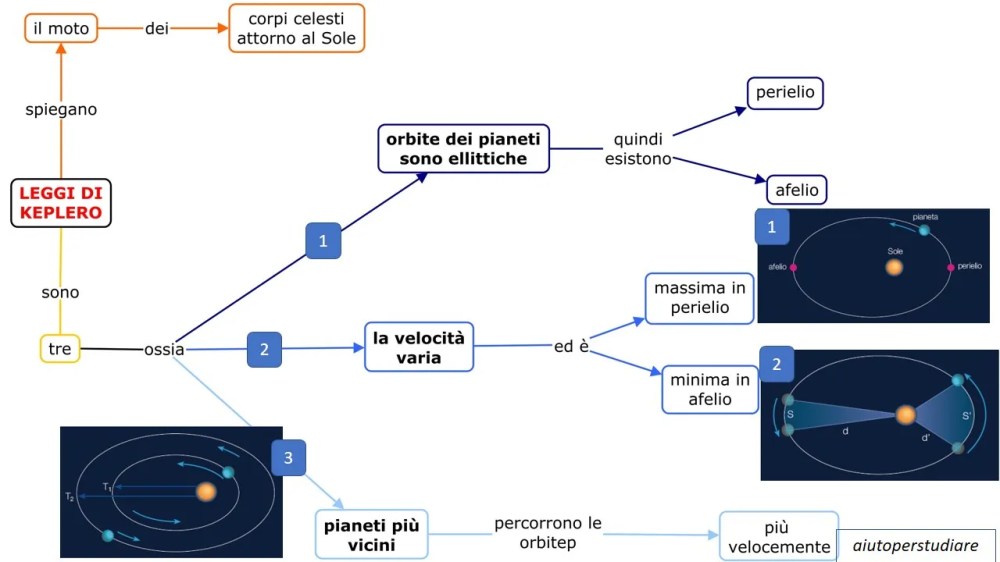
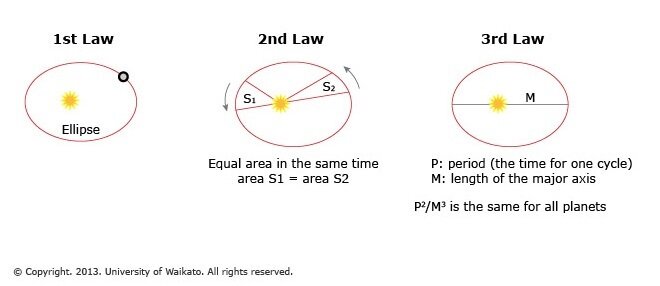
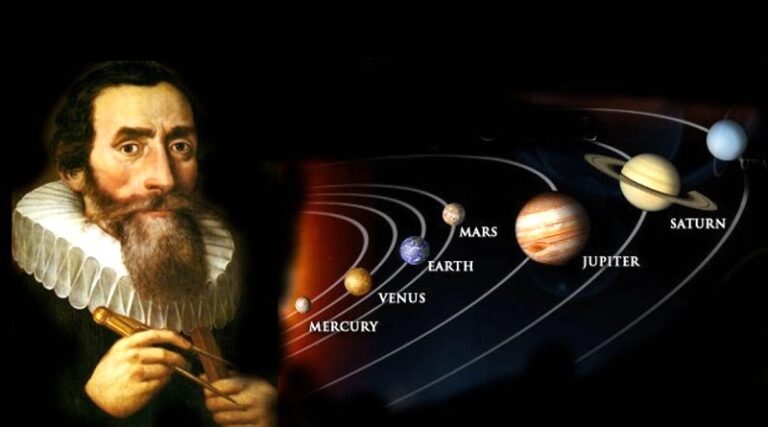
In 1630, the German astronomer Johannes Kepler, famous for having formulated the three laws that bear his name, died.
Nel 1630 muore l’astronomo tedesco Johannes Kepler, famoso per aver formulato le tre leggi che portano il suo nome.
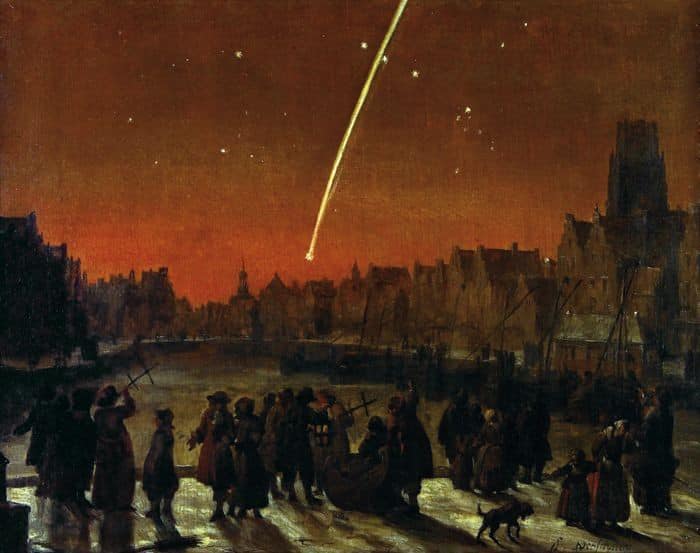
In 1680 Gottfried Kirch discovered a comet (C/1680 V1, informally named Kirck), also known as the Great Comet of 1680: it was the first comet in history to be discovered using a telescope.
Nel 1680 Gottfried Kirch scoprì una cometa (la C/1680 V1, battezzata informalmente col nome di Kirck), conosciuta anche come la Grande Cometa del 1680: fu la prima cometa nella storia ad essere scoperta grazie all’uso di un telescopio.

The English astronomer William Herschel was born in 1738, famous for the discovery of the planet Uranus in 1781. 6 years later he also managed to identify the two satellites Titania and Oberon and two years later also Mimante and Enceladus, satellites of Saturn. He managed to describe the three-dimensional structure of the Milky Way and described in three of his catalogs about 2,500 nebulae, which were presented as the birthplaces of galaxies. Finally, Herschel was responsible for the discovery of infrared rays, achieved with an ingenious experiment carried out in 1800.
Nel 1738 nasce l’astronomo inglese William Herschel, scopritore del pianeta Urano nel 1781, 6 anni più tardi rIuscirà ad individuare anche i due satelliti Titania e Oberon e due anni più tardi pure Mimante e Encelado, satelliti di Saturno. Riuscì a descrivere la struttura tridimensionale della Via Lattea e descrisse in tre suoi cataloghi circa 2.500 nebulose, che vennero presentate come i luoghi di nascita delle galassie. A Herschel spetta infine la scoperta dei raggi infrarossi, compiuta con un ingegnoso esperimento eseguito nel 1800.
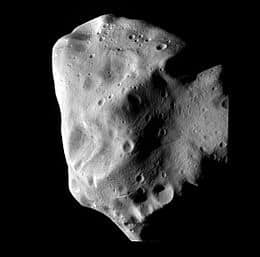
In 1852, Lutetia was discovered, a small asteroid in the main belt, about 100 kilometers in diameter. In 2010 it will be flown over by the European space probe Rosetta (see photo).
Nel 1852 viene scoperto Lutetia, un piccolo asteroide della Fascia principale, di circa 100 chilometri di diametro. Nel 2010 verrà sorvolato dalla sonda spaziale europea Rosetta (vedi foto).
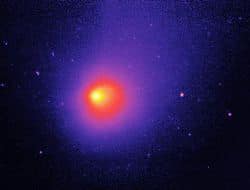
In 1927, comet Schwassmann-Wachmann 1 was discovered (see photo @Spitzer infrared space telescope NASA). It is a comet with an almost circular orbit, between those of Jupiter and Saturn and is observable every year for a certain period of time. Mystery: The comet presents unusual behavior: it usually appears as a 16th magnitude object, which following episodic outbursts can quickly reach 12th magnitude. This repeats approximately once a year, and lasts for a week or two, after which the comet fades and returns to appear as a 16th magnitude object.
Nel 1927 scoperta della cometa Schwassmann-Wachmann 1 (vedi foto @Spitzer telescopio spaziale ad infrarossi NASA). È una cometa con un’orbita quasi circolare, compresa tra quelle di Giove e di Saturno ed è osservabile ogni anno per un certo periodo di tempo. Mistero: La cometa presenta un comportamento inusuale: solitamente appare come un oggetto della 16ª magnitudine, che in seguito ad episodici outburst può raggiungere rapidamente la 12ª magnitudine. Ciò si ripete all’incirca una volta l’anno, e perdura per una o due settimane, dopo le quali la cometa si affievolisce e torna ad apparire come un oggetto della 16ª magnitudine.
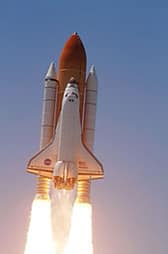
In 1990 – Space Shuttle Program: launch of the Space Shuttle Atlantis with flight STS-38 (seventh flight). Video from the time: https://youtu.be/Lqtdx0N4YFg
Nel 1990 – Programma Space Shuttle: lancio dello Space Shuttle Atlantis con il volo STS-38 (settimo volo). Video dell’epoca: https://youtu.be/Lqtdx0N4YFg
To receive the Astronomy Bulletin Of the Day in your inbox, please put your email address on the contact form: https://abod.blog/contacts/
Per ricevere il bollettino per gli astronaviganti giornaliero nella tua posta elettronica, inserisci la tua mail nel form contatti: https://abod.blog/contacts/
Text, images and video source: Wikipedia, NASA, YouTube
Sostieni anche tu Wikipedia
Google translate
 Astronomy Bulletin Of the Day