
🇬🇧 – 🇮🇹
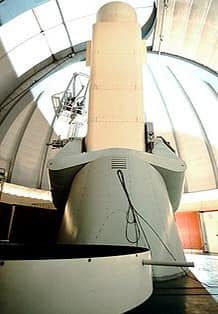
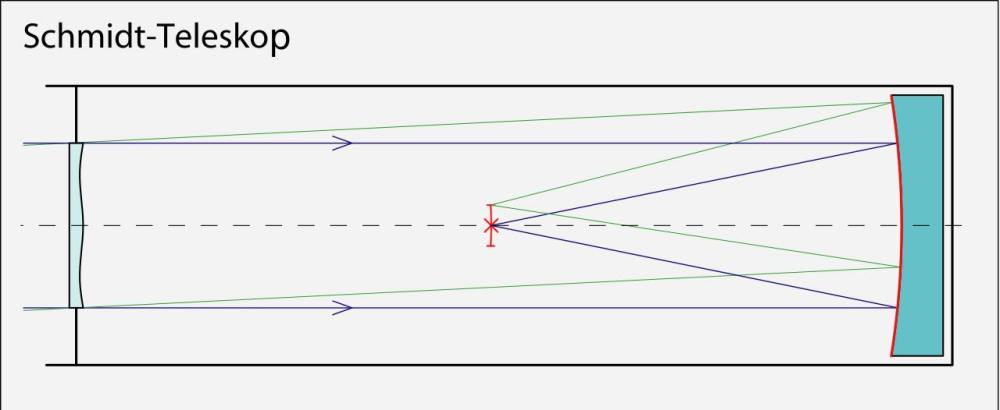
In 1935 the German optician Bernhard Voldemar Schmidt of the Hamburg Observatory died, known for having built an original optical system, later widely adopted in various telescopes (see photo), called Schmidt camera, with which it was possible to take photographic plates and images of space, with a field up to 50 square degrees, free from optical aberration, coma and astigmatism. The novelty of this optical system, for the time, consisted in having interposed, on the path of the light rays reaching the mirror, a correcting lens with an aspheric surface which eliminated particularly sensitive aberrations at the edges of the image. Cover image By Mogens Engelund, https://commons.wikimedia.org/w/index.php?curid=23181277
Nel 1935 muore l’ottico tedesco Bernhard Voldemar Schmidt dell’Osservatorio di Amburgo, noto per aver costruito un originale sistema ottico, in seguito largamente adottato in vari telescopi (vedi foto), detti a camera Schmidt, con il quale è possibile eseguire lastre fotografiche e immagini dello spazio, con un campo ampio sino a 50 gradi quadrati, esenti da aberrazione ottica, da coma e da astigmatismo. La novità di questo sistema ottico, per l’epoca, consiste nell’aver interposto, sul cammino dei raggi luminosi che giungono allo specchio, una lente correttrice a superficie asferica che elimina le aberrazioni particolarmente sensibili ai bordi dell’immagine. In copertina immagine di Mogens Engelund, https://commons.wikimedia.org/w/index.php?curid=23181277
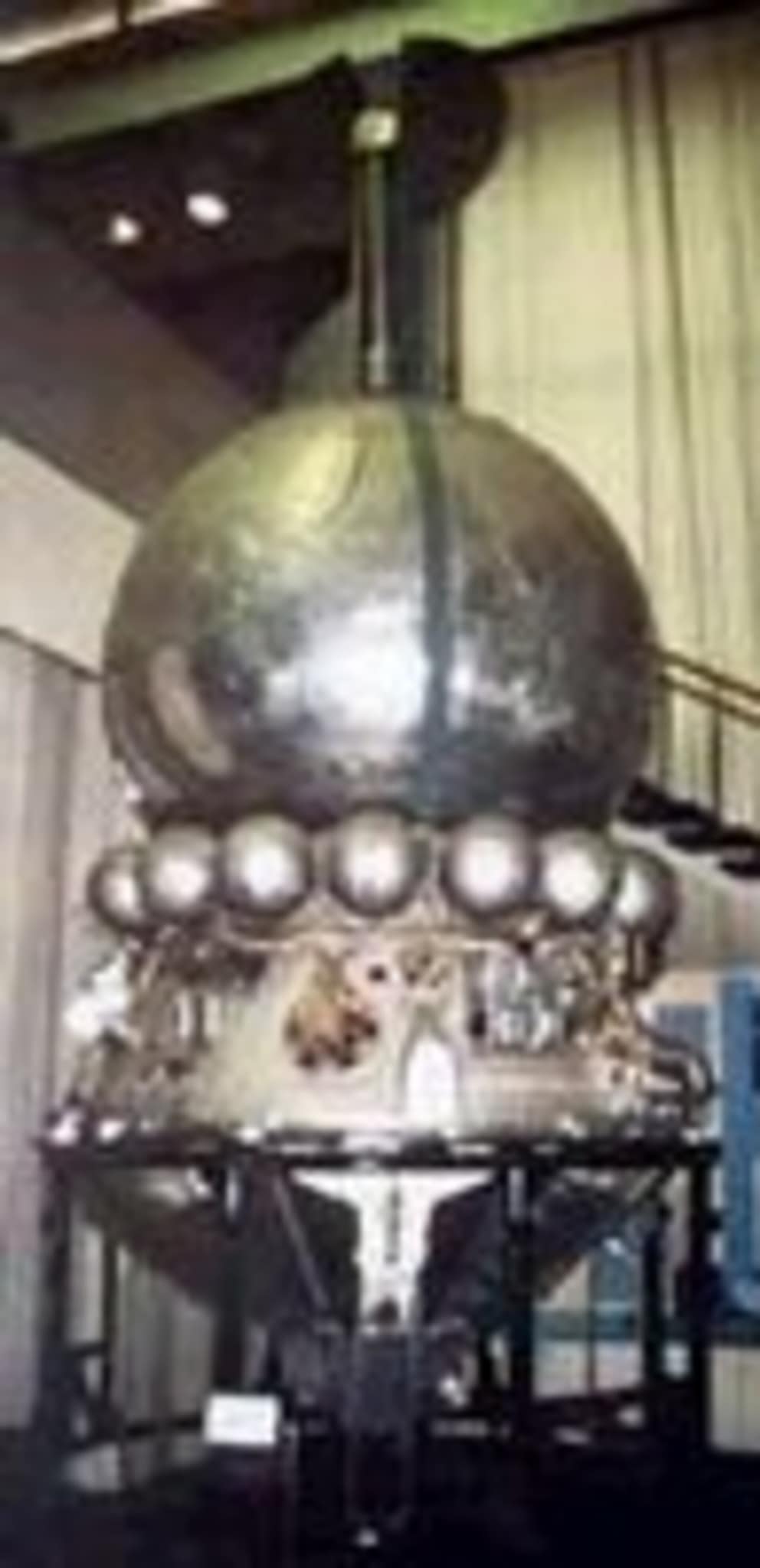
In 1960, the Soviet satellite Sputnik-6 (see photo) also known as Korabi-Sputnik 3 or Vostok-1K-3 was launched, with the two dogs, Pchelka and Mushka, on board. On board there were a television system and other scientific instruments.
Nel 1960 lancio del satellite sovietico Sputnik-6 (vedi foto) conosciuto anche come Korabi-Sputnik 3 o anche Vostok-1K-3, con a bordo i due cani, Pchelka e Mushka. A bordo vi erano un sistema televisivo e altri strumenti scientifici.
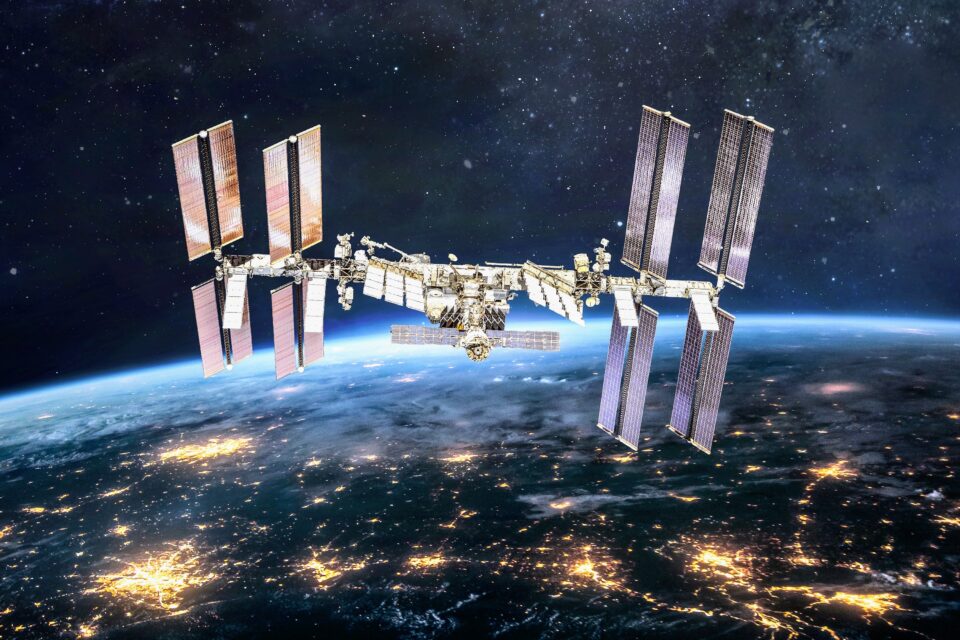
In 1987, NASA announced the names of the four companies awarded contracts to build the International Space Station: Boeing Aerospace, the aerospace division of General Electric, McDonnell Douglas, and the Rocketdyne division of Rockwell International.
Nel 1987 la NASA annuncia il nome delle quattro compagnie che ottengono i contratti per la costruzione della Stazione Spaziale Internazionale: Boeing Aerospace, la divisione aerospazio della General Electric, McDonnell Douglas, e la divisione Rocketdyne della Rockwell International
Text source: Wikipedia, YouTube
Sostieni anche tu Wikipedia
Google translate
 Astronomy Bulletin Of the Day