
🇬🇧 – 🇮🇹
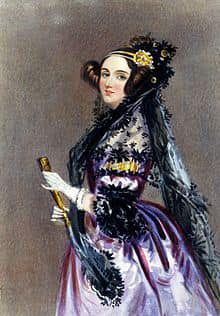
Augusta Ada Byron, better known as Ada Lovelace, was born in 1815, known above all for her contribution to the analytical engine created by Charles Babbage. She was the first computer programmer in history, having developed the first algorithm to be processed by a machine. His quote is beautiful: “Imagination is the faculty of discovery, first of all. It is the one that penetrates the hidden worlds around us, the worlds of Science.”
Nel 1815 nasce Augusta Ada Byron, meglio conosciuta come Ada Lovelace, nota soprattutto per il suo contributo alla macchina analitica ideata da Charles Babbage. È stata la prima programmatrice di computer della storia, avendo sviluppato il primo algoritmo per essere elaborato da una macchina. Bellissima la sua citazione “L’immaginazione è la facoltà della scoperta, prima di tutto. E’ quella che penetra nei mondi nascosti attorno a noi, i mondi della Scienza.”

Mathieu Prosper Henry, optician and astronomer, was born in 1849 and discovered the asteroids 125 Liberatrix, 127 Johanna, 148 Gallia, 154 Bertha, 162 Laurentia (see rendering), 169 Zelia, 186 Celuta
Nel 1849 nasce Mathieu Prosper Henry, ottico e astronomo, scopre gli asteroidi 125 Liberatrix, 127 Johanna, 148 Gallia, 154 Bertha, 162 Laurentia (vedi rendering), 169 Zelia, 186 Celuta
In 1889 the Italian astronomer Lorenzo Respighi died, known for having discovered three comets (at the time a hunting ground for professionals who tried to clarify their nature): C/1862 W1, C/1863 G2 and C/ 1863 Y1.
Nel 1889 muore l’astronomo italiano Lorenzo Respighi, noto per aver scoperto ben tre comete (all’epoca terreno di caccia per i professionisti che cercavano di chiarirne la natura): la C/1862 W1, la C/1863 G2 e la C/1863 Y1.

In 1901 the first Nobel Prizes were awarded; in 1938 Enrico Fermi received the Nobel Prize for physics.
Nel 1901 vengono consegnati i primi Premi Nobel; nel 1938 Enrico Fermi riceve il Premio Nobel per la fisica.
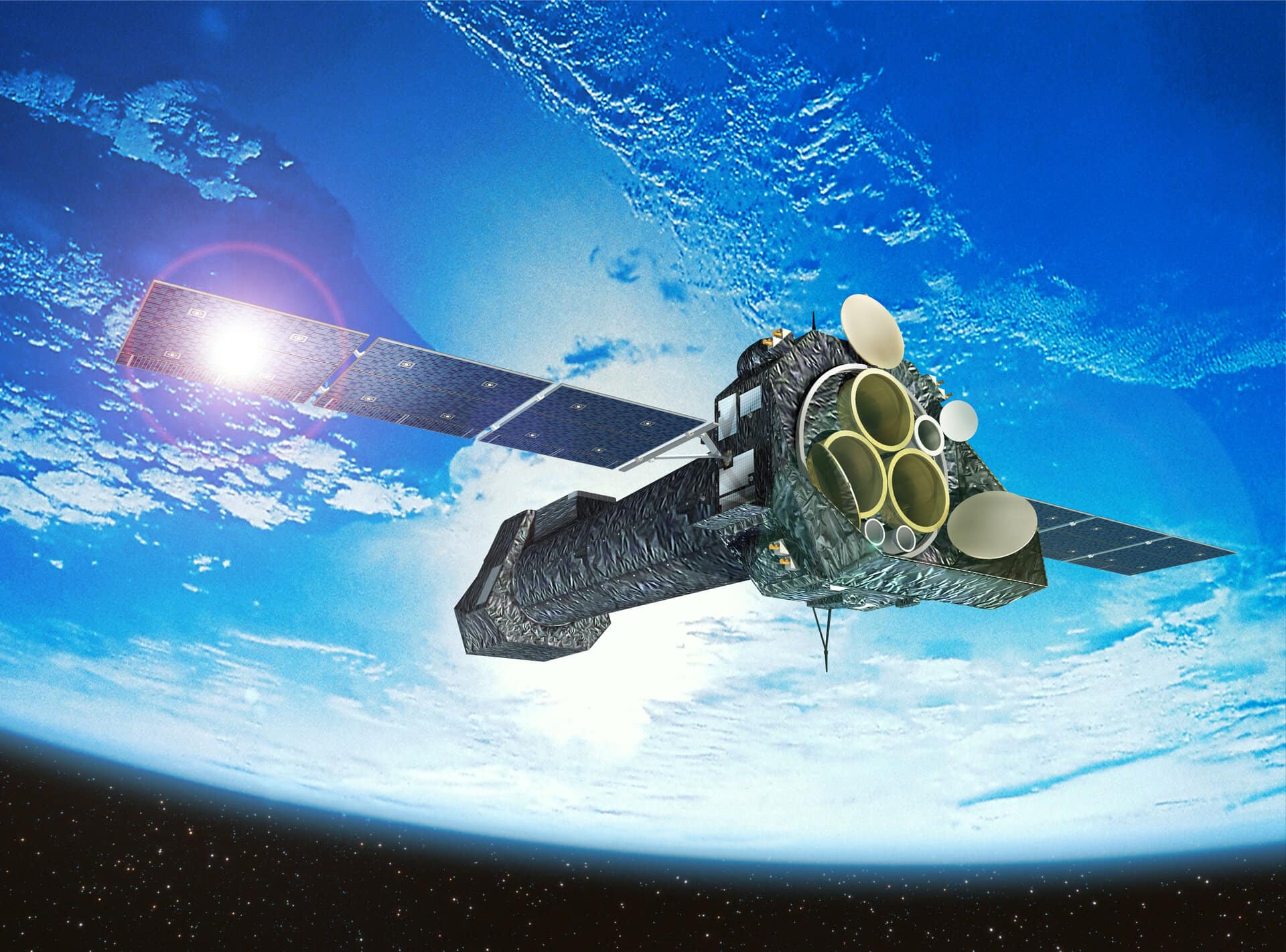
In 1999, the ESA XMM X-ray Multi Mirror Telescope satellite, a space telescope for X-rays, was launched into orbit from the Kourou base in French Guiana (see image). The name was chosen in honor of Isaac Newton, while the acronym XMM stands for X-ray Multi-Mirror (multiple mirrors) for X-rays).
Nel 1999 dalla base di Kourou nella Guyana Francese lancio in orbita il satellite ESA XMM X-ray Multi Mirror telescope un telescopio spaziale per i raggi X (vedi immagine). Il nome è stato scelto in onore di Isaac Newton, mentre la sigla XMM sta per X-ray Multi-Mirror (specchi multipli) per raggi X).
Text source: Wikipedia, YouTube
Sostieni anche tu Wikipedia
Google translate
 Astronomy Bulletin Of the Day