
🇬🇧 – 🇮🇹
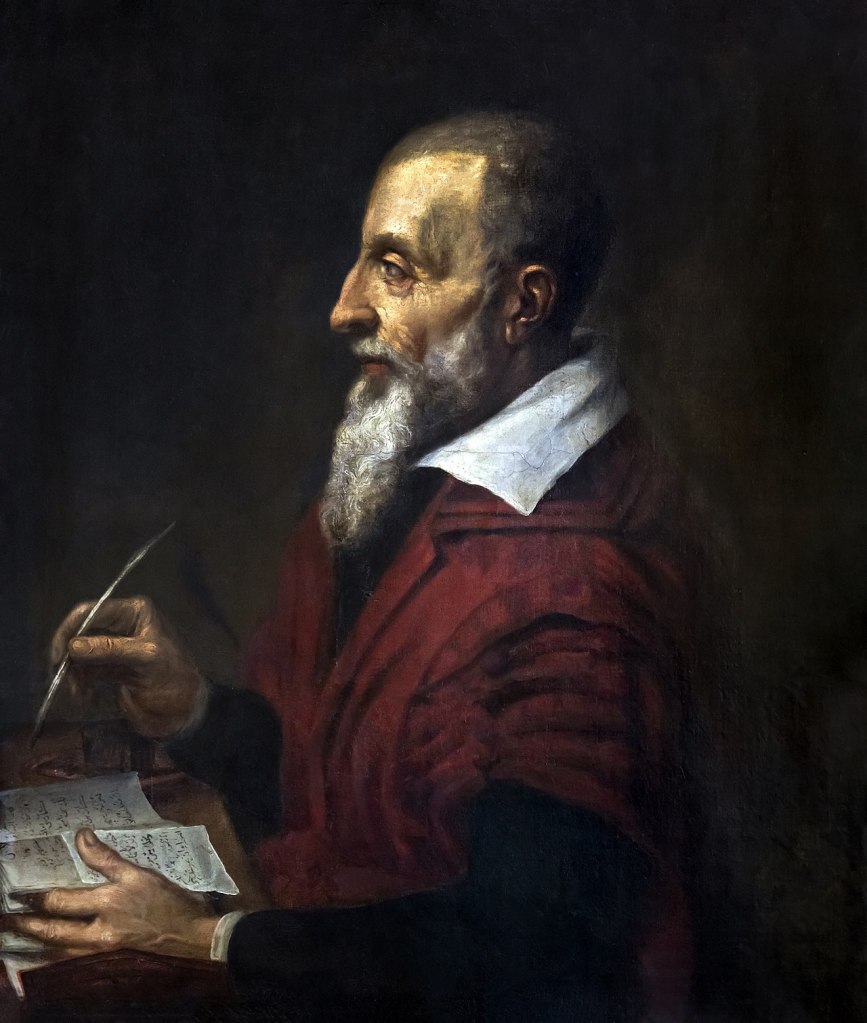
4713 BC: Julian Day Zero according to the calendar of astronomer Joseph Justus Scaliger (1540-1609). He introduced the Julian day starting from the consideration that for the solution of many astronomy problems it is necessary to determine how much time has passed between two dates of observation of the same phenomenon. He chose a “zero date” far in the past (noon in Greenwich on January 1, 4713 BC), so that all recorded observations would have a positive date.
4713 a.C.: Giorno giuliano zero secondo il calendario dell’astronomo Joseph Justus Scaliger (1540-1609). Egli introdusse il giorno giuliano partendo dalla considerazione che per la soluzione di molti problemi di astronomia è necessario determinare quanto tempo sia intercorso tra due date di osservazione del medesimo fenomeno. Egli scelse una “data zero” lontana nel passato (il mezzogiorno a Greenwich del 1º gennaio del 4713 a.C.), in modo che tutte le osservazioni di cui esiste testimonianza avessero una data positiva.
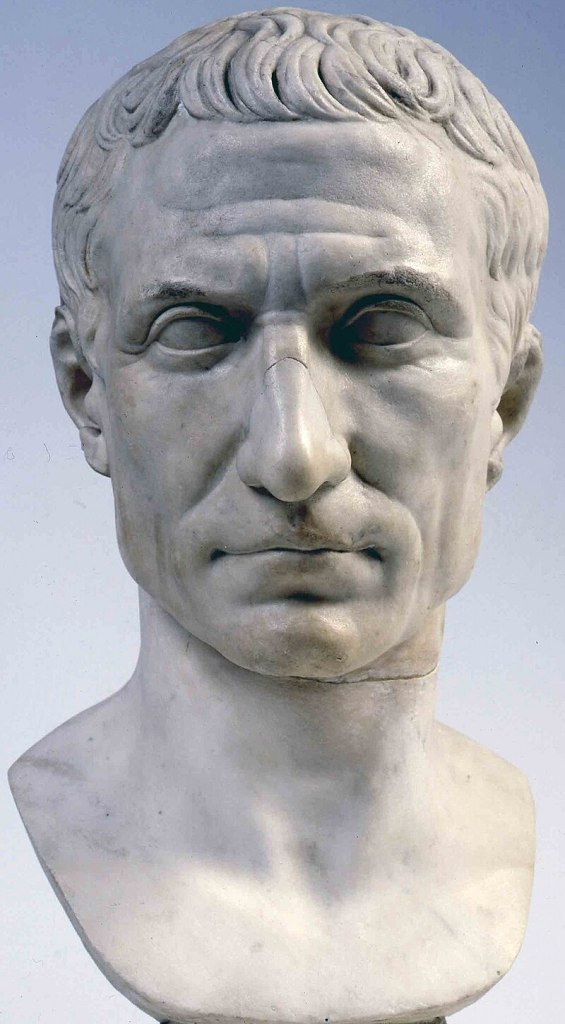
45 BC: the Julian reform comes into force. In Alexandria, Julius Caesar frequented various scholars and, according to tradition, it was in Egypt that he conceived the idea of a reform of the Roman calendar, which, as Plutarch says in the “Life of Caesar”, he entrusted to the most famous philosophers and mathematicians. This reform will be coordinated by the Egyptian astronomer Sosigenes (mid-first century BC) presented to Julius Caesar by the queen of Egypt Cleopatra. The Julian calendar is a solar calendar, that is, based on the cycle of the seasons. Subsequently, through the bull Inter gravissimas of Pope Gregory XIII of 4 October 1582, the Gregorian calendar will take place. Today in 1583 the Gregorian calendar was adopted in Belgium and in 1893 in Japan. Also today in 1700 Russia adopts the Western numbering of the Julian calendar.
45 a.C.: entra in vigore la riforma giuliana. Giulio Cesare ad Alessandria frequentò vari eruditi e studiosi e proprio in Egitto, stando alla tradizione, concepirà l’idea di una riforma del calendario romano, che, come dice Plutarco nella “Vita di Cesare”, affida ai filosofi e matematici piú famosi. Tale riforma verrà coordinata dall’astronomo egiziano Sosigene (metà primo secolo a.C.) presentato a Giulio Cesare dalla regina d’Egitto Cleopatra. Il calendario giuliano è un calendario solare, cioè basato sul ciclo delle stagioni. Successivamente, tramite la bolla Inter gravissimas di Papa Gregorio XIII del 4 ottobre 1582, prenderà posto il calendario gregoriano. Oggi nel 1583 viene adottato il calendario gregoriano in Belgio e nel 1893 in Giappone. Sempre oggi nel 1700 la Russia adotta la numerazione occidentale del calendario giuliano.
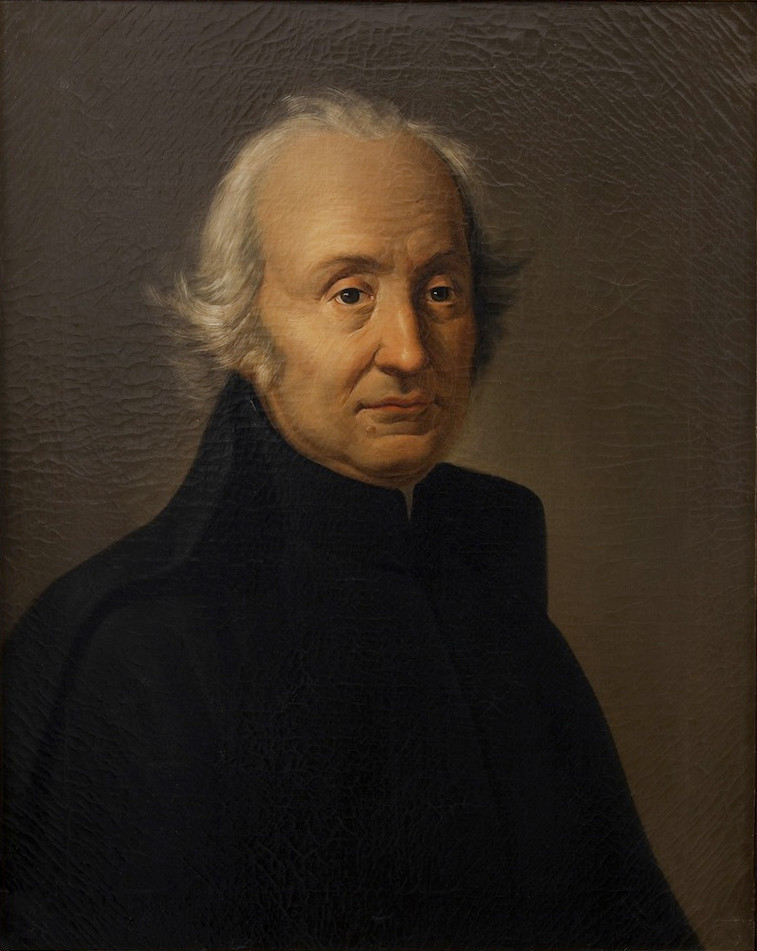

In 1801 Giuseppe Piazzi, while carrying out observations for the preparation of a large star catalog (published in 1814) by the Palermo Astronomical Observatory, discovered an eighth-magnitude star which the following evening appeared to have moved with respect to the fixed stars. The celestial body, the asteroid Ceres, just discovered seems destined to be lost again in the sky, when the German astronomer Carl Friedrich Gauss manages, despite the little data deducible from the short arc of orbit observed by Piazzi, to indicate its presumable position in the constellation of Virgo, where the asteroid will be observed on December 7, 1801.
Nel 1801 Giuseppe Piazzi mentre compie osservazioni per la preparazione di un grande catalogo stellare (pubblicato nel 1814) dall’Osservatorio astronomico di Palermo, scopre un astro di ottava grandezza il quale la sera successiva risultava essersi spostato rispetto alle stelle fisse. Il corpo celeste, l’asteroide Cerere, appena scoperto sembra destinato a perdersi nuovamente nel cielo, quando l’astronomo tedesco Carl Friedrich Gauss riesce, nonostante i pochi dati desumibili dal breve arco d’orbita osservata dal Piazzi, a indicarne la presumibile posizione nella costellazione della Vergine, dove l’asteroide verrà osservato il 7 dicembre 1801.
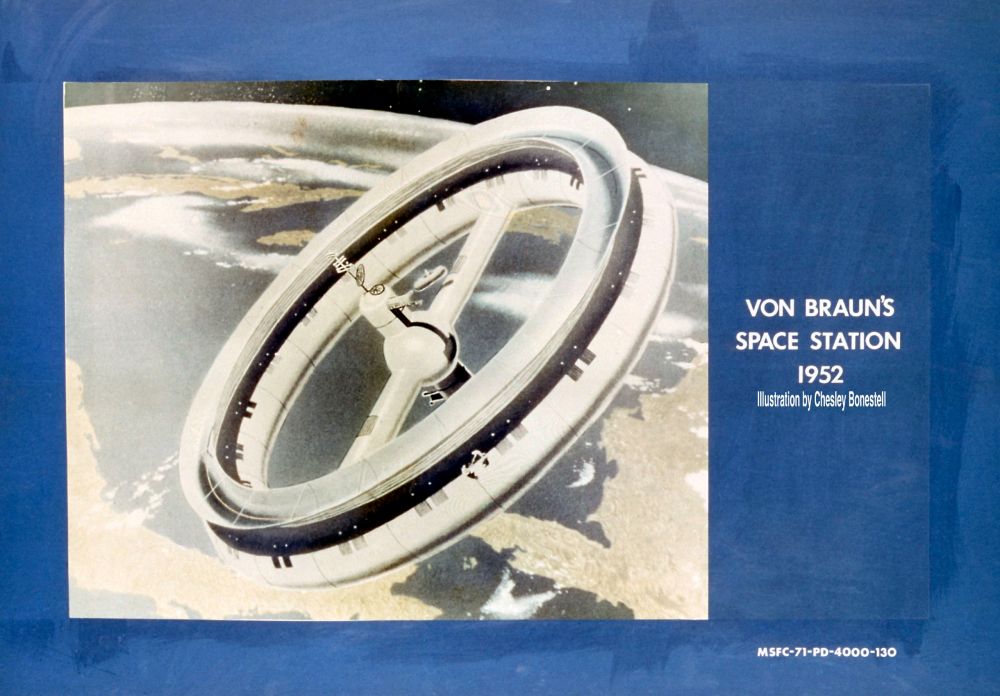

The artist Chesley Bonestell, “father of modern space art”, was born in 1888
Nel 1888 nasce l’artista Chesley Bonestell, “padre della moderna arte spaziale”
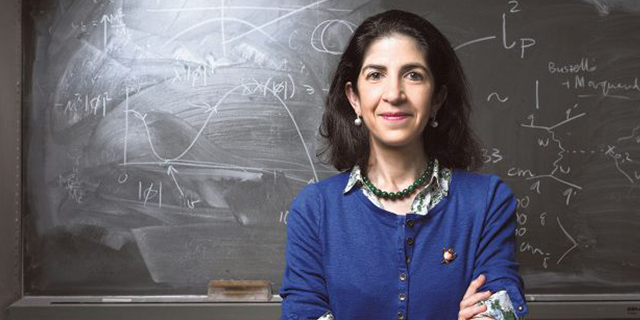
In 2016, the Italian physicist Fabiola Gianotti (PhD) takes over the general direction of CERN in Geneva (CH). The mandate lasts five years. She is the third woman to assume this prestigious position since the foundation of CERN. Among the founders of the international laboratory there was also the Italian taxman Edoardo Amaldi, one of the boys from via Panisperna in Rome and a student of Enrico Fermi.
Nel 2016 la fisica italiana Fabiola Gianotti (PhD) assume la direzione generale del CERN di Ginevra (CH). Il mandato ha durata quinquennale. E’ la terza donna ad assumere questa prestigiosa carica dalla fondazione del CERN. Tra i fondatori del laboratorio internazionale ci fu anche il fisco italiano Edoardo Amaldi, uno dei ragazzi di via Panisperna a Roma ed allievo di Enrico Fermi.
Text source: Wikipedia
Sostieni anche tu Wikipedia
Google translate
 Astronomy Bulletin Of the Day