🇬🇧 – 🇮🇹


Today we cannot fail to remember March 8th, Women’s Day which, although traced back to a tragic event of 129 working women who died in a fire which however occurred on March 25th and due to a misunderstanding indicated on this day, wants to highlight the political conquests, social and economic aspects of the female gender. And here we connect to the scientific memory of a great female figure: Hypatia, philosopher and mathematician who in March 415 was murdered in Alexandria, Egypt by a crowd of exalted Christians fomented by Cyril, patriarch of the city. In addition to being a symbol of freedom of thought, she was responsible for two important inventions: a hydrometer and a flat astrolabe made up of two perforated metal discs, rotating one above the other with a removable pin and used to calculate time, position of the Sun and planets. She hypothesized the movement of the Earth in stark contrast to the Ptolemaic theory which saw the Earth at the center of the universe. I wish dedicate this day the Mimosa Nebula to all women amateur astronomers and non-amateurs!
Oggi non possiamo non ricordare l’8 marzo, la festa della donna che, sebbene ricondotta ad un evento tragico di 129 donne operaie morte in un incendio avvenuto però al 25 marzo e per un equivoco indicato questo giorno, si vuole evidenziare le conquiste politiche, sociali, economiche del genere femminile. E qui ci colleghiamo al ricordo di tipo scientifico verso una grande figura femminile: Ipazia, filosofa e matematica che in marzo del 415 venne assassinata ad Alessandria d’Egitto da una folla di cristiani esaltati fomentati da Cirillo, patriarca della città. Oltre ad essere un simbolo della libertà di pensiero, a lei si devono due importanti invenzioni: un areometro e un astrolabio piano formato da due dischi metallici forati, ruotanti uno sopra l’altro con un perno rimovibile e serviva per calcolare il tempo, la posizione del Sole e dei pianeti. Lei ipotizzò il movimento della Terra in netto contrasto con la teoria Tolemaica che vedeva la Terra al centro dell’universo. Dedico a questa giornata la nebulosa Mimosa a tutte le donne astrofile e non!
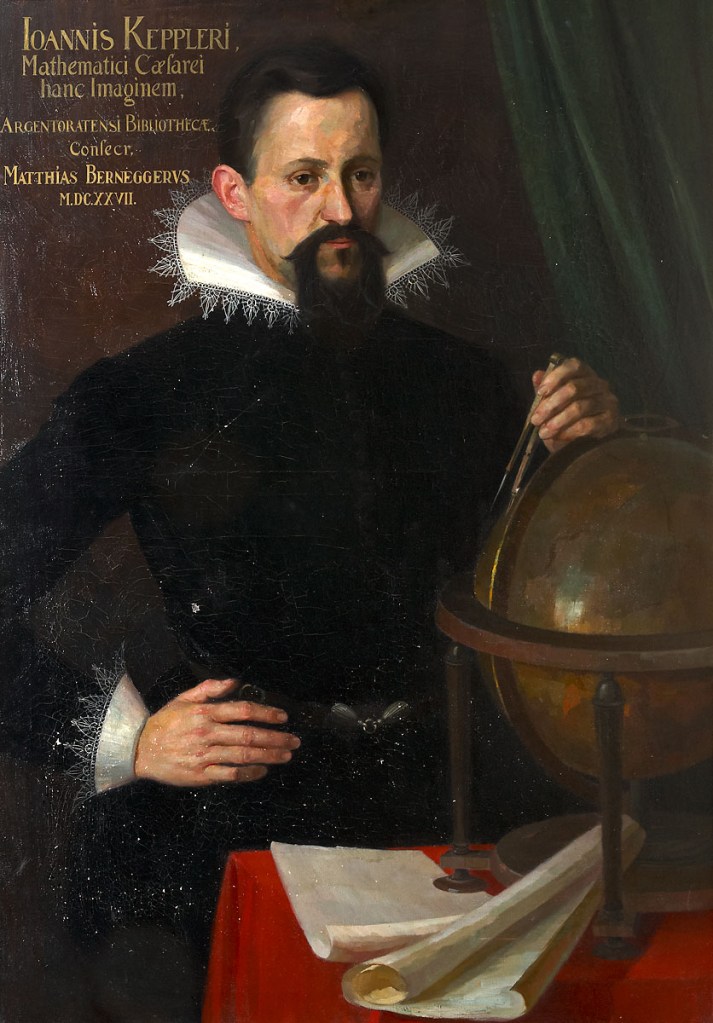
In 1618 Johannes Kepler discovered the third law of the motion of the planets (immediately after rejecting it but confirming it again on May 15 of the same year).
Nel 1618 Giovanni Keplero scopre la terza legge del moto dei pianeti (immediatamente dopo la rigetta ma il 15 maggio dello stesso anno la conferma nuovamente).
In 1976, during a meteor shower, one of the largest meteorites was found in China weighing 1774 kg.
Nel 1976, durante una pioggia meteoritica, fu trovato uno dei meteoriti più grandi, in Cina del peso di 1774 kg.
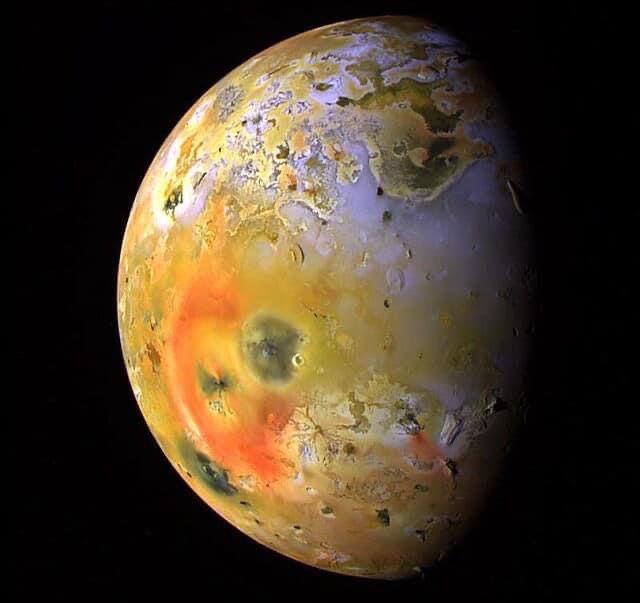
In 1979 the Voyager 1 probe discovered volcanoes on Io, Jupiter’s satellite
Nel 1979 la sonda Voyager 1 individua vulcani su Io, satellite di Giove
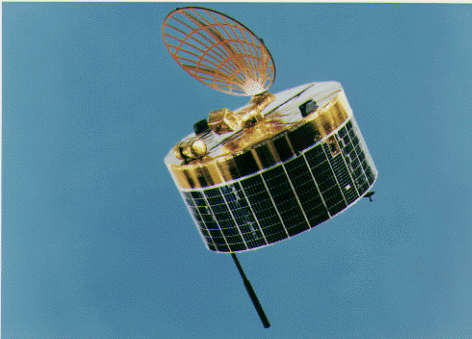
In 1986 the Japanese probe Suisei flew over Halley’s comet at 150,000 km.
Nel 1986 la sonda giapponese Suisei sorvola la cometa di Halley a 150.000 km.
Text source: Wikipedia, Nasa
Sostieni anche tu Wikipedia
Google translate
 Astronomy Bulletin Of the Day