🇬🇧 – 🇮🇹
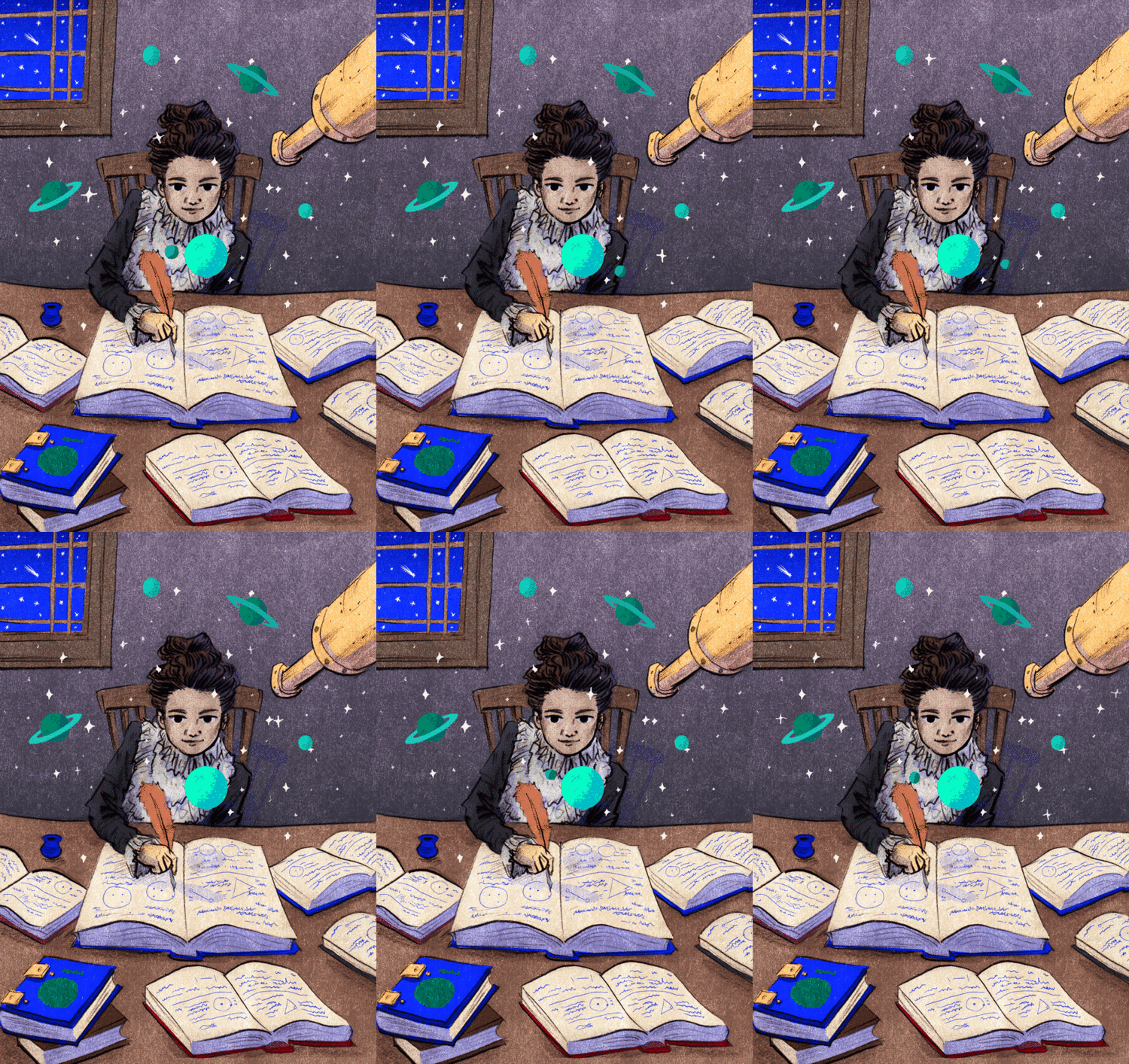
In 1750 the astronomer Caroline Lucretia Herschel was born, sister of the great William Herschel, the first woman to discover a comet, or rather even 6: C/1786 P1 Herschel, 35P/Herschel-Rigollet, C/1790 A1 Herschel, C/1790 H1 Herschel, C/1791 X1 Herschel, C/1797 P1 Bouvard-Herschel. She was also the first woman to receive the gold medal from the Royal Astronomical Society in 1835 with whom she collaborated in 1898 together with John Dreyer for the New General Catologue (still used today). He also became a member of the Royal Irish Academy.
Nel 1750 nasce l’astronoma Caroline Lucretia Herschel, sorella del grande William Herschel, la prima donna a scoprire una cometa, anzi addirittura 6: C/1786 P1 Herschel, 35P/Herschel-Rigollet, C/1790 A1 Herschel, C/1790 H1 Herschel, C/1791 X1 Herschel, C/1797 P1 Bouvard-Herschel. Fu anche la prima donna a ricevere la medaglia d’oro dalla Royal Astronomical Society nel 1835 con i quali collaborò nel 1898 assieme a John Dreyer per il New General Catologue (ancora oggi usato). Inoltre divenne membro anche della Royal Irish Academy.
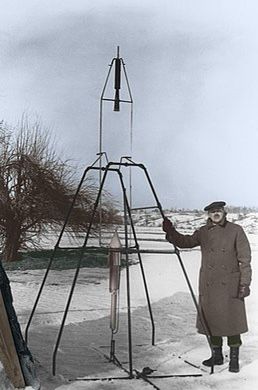
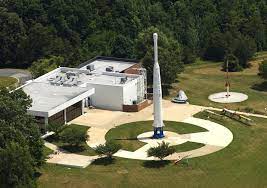
In 1926, Robert Goddard launched the first example of a liquid-fueled rocket in history. Together with his team he launched 34 rockets between 1926 and 1941, reaching an altitude of 2.6 km (1.6 mi) and a speed of 885 km/h (550 mph). NASA has dedicated one of its major research centers to the father of astronautics with his name Goddard Space Flying Center
Nel 1926 Robert Goddard lancia il primo esempio di razzo a propellente liquido della storia. Assieme al suo gruppo di lavoro lanciò 34 razzi tra il 1926 e il 1941, raggiungendo l’altitudine di 2,6 km (1,6 mi) e la velocità di 885 km/h (550 mph). Al papà dell’astronautica, la Nasa ha dedicato uno dei maggiori centri di ricerca con il suo nome Goddard Space Flying Center
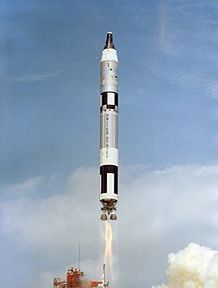
In 1966 the Gemini 8 space mission was launched from the John F. Kennedy Space Center, which on the same day performed the first docking in the history of human space flights between Gemini 8, with Neil Armstrong (commander) and David Scott (pilot) on board with the Gemini Agena. Original video of the hookup: https://youtu.be/Y1rp1BRL4qY
Nel 1966 viene lanciata da John F. Kennedy Space Center la missione spaziale Gemini 8, che nello stesso giorno effettua il primo aggancio nella storia dei voli umani dello spazio tra la Gemini 8, con a bordo Neil Armstrong (comandante) e David Scott (pilota) con la Gemini Agena. Video originale dell’aggancio: https://youtu.be/Y1rp1BRL4qY
Text source: Wikipedia, Nasa, YouTube, Discovery
Sostieni anche tu Wikipedia
Google translate
 Astronomy Bulletin Of the Day