
🇬🇧 – 🇮🇹
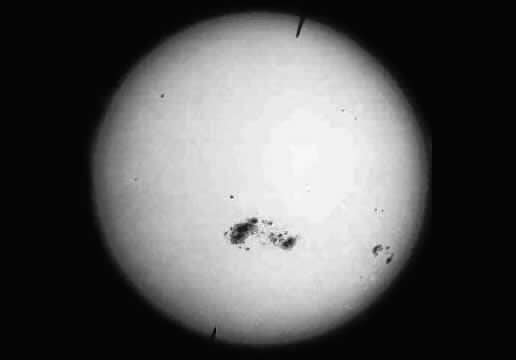
In 1947 the largest group of sunspots on the solar disk was detected: the largest sunspot AR 14886 measured 142984 km, larger than the diameter of Jupiter!
Nel 1947 viene rilevato il più grande gruppo di macchie solari sul disco solare: la macchia solare più grande AR 14886 misurava ben 142984 km, più del diametro di Giove!
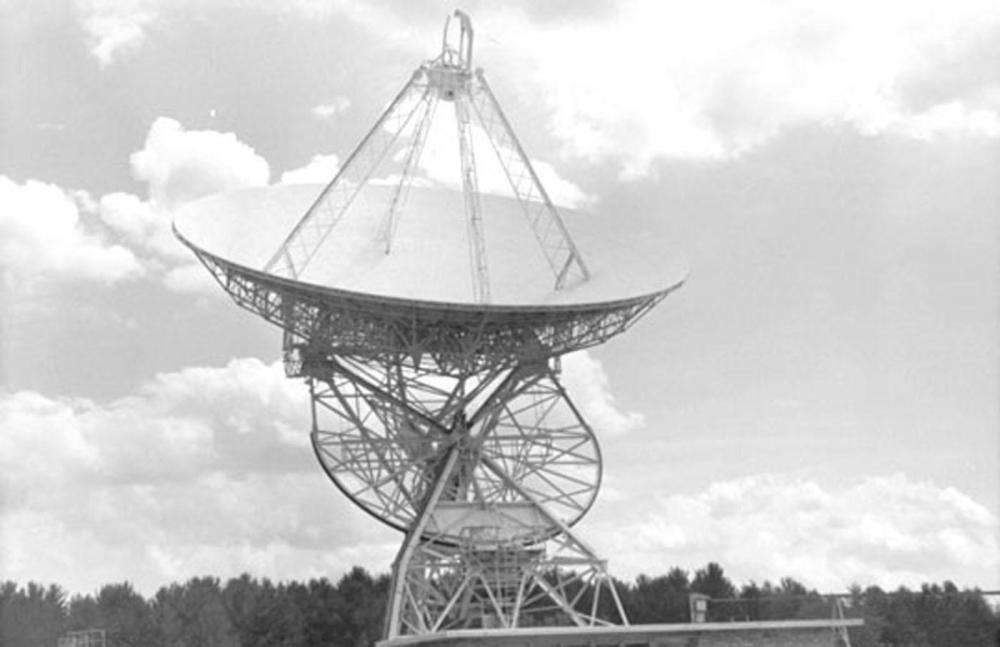
The first SETI project was launched in 1960. Astronomer Frank Drake’s Ozma Project: a project aimed at searching for artificial radio signals coming from extrasolar planets. It was named after Princess Ozma, a character in the novel The Wonderful Wizard of Oz. The experiment was conducted via a 26-meter diameter radio telescope located in Green Bank in West Virginia. The stars Tau Ceti and Epsilon Eridani were examined, both similar to the Sun and located (on an interstellar scale) in its vicinity. After four months of observations, no signals clearly interpretable as artificial were detected, and the research was suspended. A second experiment, called Ozma II, was conducted from 1973 to 1976, via the same radio telescope, by astronomers Benjamin Zuckerman and Patrick Palmer, monitoring 650 stars in the vicinity of the Sun, but it also produced no results.
Nel 1960 parte il primo progetto SETI Progetto Ozma dell’astronomo Frank Drake: progetto volto alla ricerca di segnali radio artificiali provenienti da pianeti extrasolari. Prese il nome dalla principessa Ozma, personaggio del romanzo Il meraviglioso mago di Oz. L’esperimento fu condotto tramite un radiotelescopio di 26 metri di diametro posto a Green Bank in Virginia Occidentale. Furono esaminate le stelle Tau Ceti ed Epsilon Eridani, entrambe simili al Sole e poste (su scala interstellare) nelle sue vicinanze. Dopo quattro mesi di osservazioni, non vennero captati segnali chiaramente interpretabili come artificiali, e le ricerche furono sospese. Un secondo esperimento, chiamato Ozma II, fu condotto dal 1973 al 1976, tramite lo stesso radiotelescopio, dagli astronomi Benjamin Zuckerman e Patrick Palmer, monitorando 650 stelle nelle vicinanze del Sole, ma anch’esso non produsse risultati.
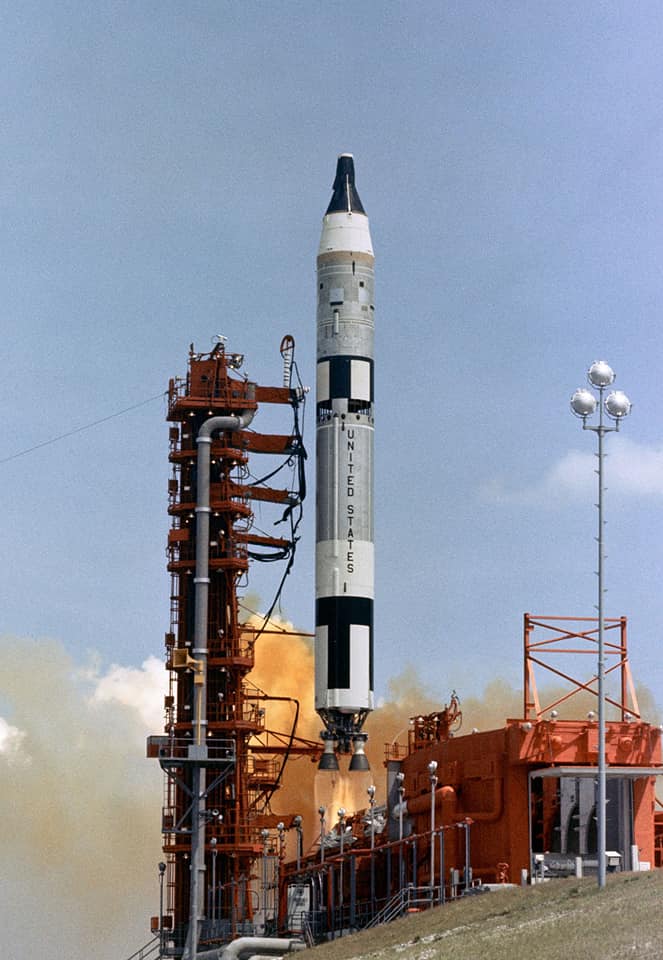
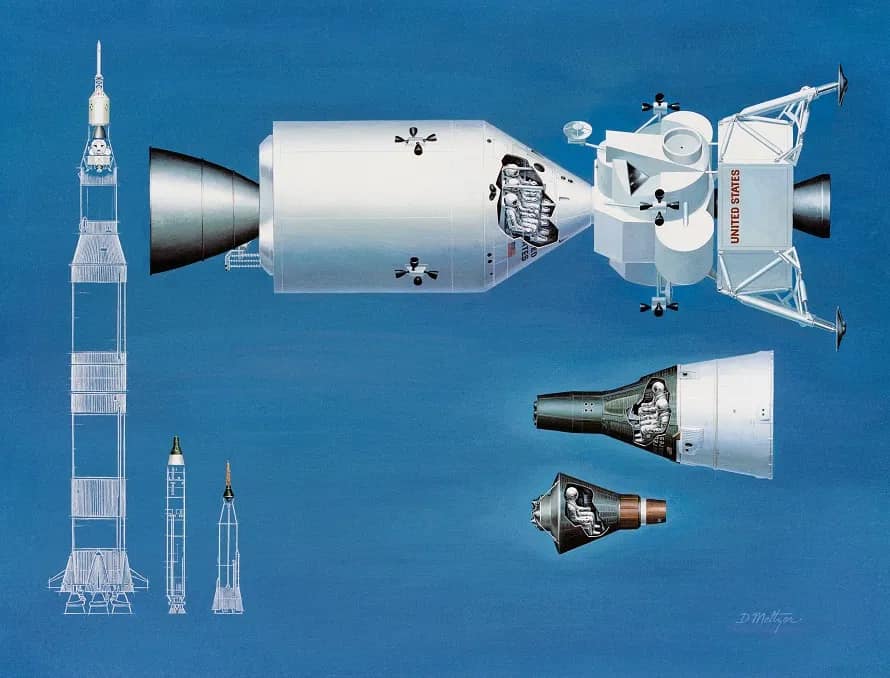
In 1964, NASA launched Gemini 1 with its Titan-type carrier rocket. It was a very successful unmanned mission as it demonstrated suitability for space flight and fully functional installed systems.
Nel 1964 la NASA lancia la Gemini 1 con il suo razzo vettore del tipo Titan. Fu una missione senza equipaggio di grande successo in quanto dimostró l’idoneità per il volo nello spazio e sistemi installati perfettamente funzionanti.

The launch of the private Axiom 1 mission takes place in 2022 with a Falcon 9 Block 5 carrier with on board Michael Lòpez-Alegrìa, Etyan Stibbe, Larry Connor (entrepreneur in the field of technology and real estate), Mark Pathy (Canadian philanthropist) from Complesso launch pad 39A at the Kennedy Space Center, a launch base owned by NASA leased to SpaceX for the Falcon 9 launches. The vehicle used was the Crew Dragon Endeavor which had previously flown two long-duration missions, the SpaceX Crew Dragon Demo 2 and Crew-2 on the International Space Station (ISS) in 2020 and 2021 respectively. Docking with the Harmony module then took place (see image) and the crew spent fifteen days on board the International Space Station. For the entire duration of the mission the crew slept on board the spacecraft as the six accommodations of the ISS were already occupied by the members of Expedition 67. At the end of the stay on the ISS, the spacecraft automatically detached from the Space Station International and returned to Earth on April 25th via a landing in the Atlantic Ocean, where the SpaceX support ship (GO Searcher) was waiting for her and recovered her, and disembarked the crew safely, to then lead it to the Kennedy Space Center.
Nel 2022 avviene il lancio della missione privata Axiom 1 con un vettore Falcon 9 Block 5 con a bordo Michael Lòpez-Alegrìa, Etyan Stibbe, Larry Connor (imprenditore nel campo della tecnologia e dell’immobiliare), Mark Pathy (filantropo canadese) da Complesso di lancio 39A del Kennedy Space Center, una base di lancio di proprietà della NASA affittata a SpaceX per i lanci del Falcon 9. Il veicolo utilizzato è stato la Crew Dragon Endeavour che aveva precedentemente volato per due missioni di lunga durata, SpaceX Crew Dragon Demo 2 e Crew-2 sulla Stazione spaziale internazionale (ISS) rispettivamente nel 2020 e 2021. Successivamente è avvenuto l’attracco al modulo Harmony (vedi immagine) e l’equipaggio ha trascorso quindici giorni a bordo della Stazione Spaziale Internazionale. Per tutta la durata della missione l’equipaggio ha dormito a bordo della navicella in quanto i sei alloggi della ISS erano già occupati dai membri dell’Expedition 67. Al termine del soggiorno sulla ISS, la navicella si è sganciata in modo automatico dalla Stazione Spaziale Internazionale e ha fatto rientro sulla Terra il 25 aprile tramite un ammaraggio nell’Oceano Atlantico, dove ad attenderla si trovava la nave di supporto della SpaceX (GO Searcher) che la ha recuperata, e ha fatto sbarcare l’equipaggio in modo sicuro, per poi condurlo al Kennedy Space Center.
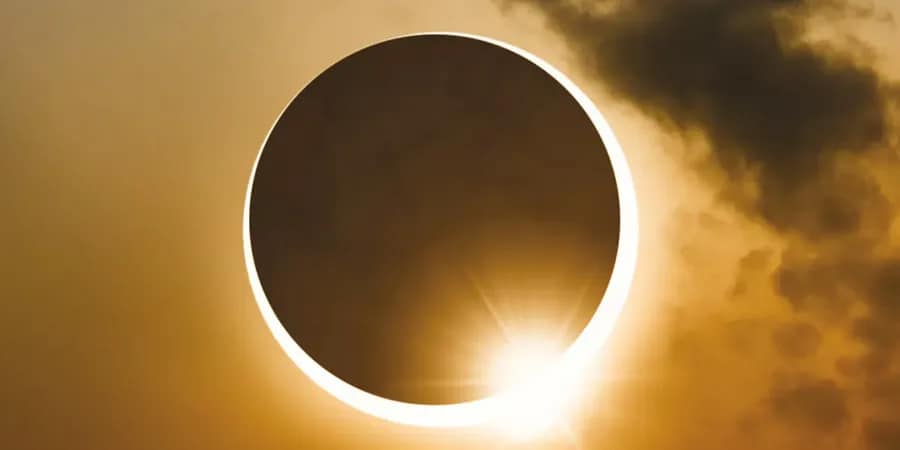
In 2024, the total solar eclipse will cross North America, passing over Mexico, the United States and Canada. Waiting for your photos astrophotographers 😄
Nel 2024 l’eclissi solare totale attraverserà il Nord America, passando sopra Messico, Stati Uniti e Canada. In attesa delle vostre foto amici astrofotografi 😄!
Text source: Wikipedia, Nasa
Sostieni anche tu Wikipedia
Google translate
 Astronomy Bulletin Of the Day