
🇬🇧 – 🇮🇹
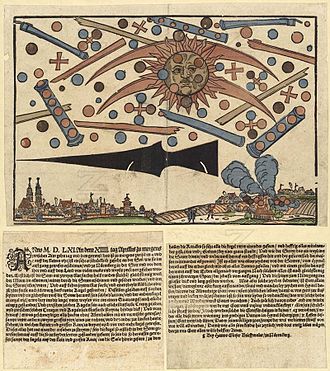
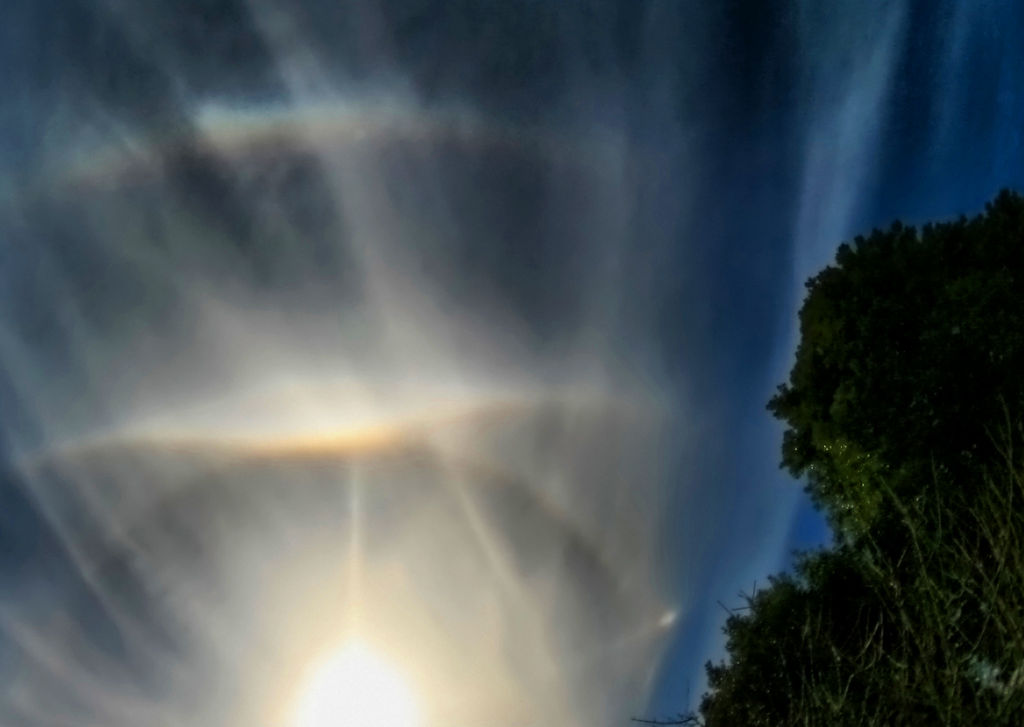
In 1561 the Nuremberg Celestial Phenomenon occurred: thousands of unidentified flying objects flew over the sky of Nuremberg, terrorizing the population, see Glaser engraving in the photo. The artist’s description was as follows: ‘the Sun appeared surrounded by two blood-red arcs, similar to the Moon in its last quarter, then crosses and stripes also appeared and began to move and fight with each other, finally something appeared similar to a large black spear. The well-known philosopher Carl Gustav Jung also mentioned the event. We certainly cannot take a UFO sighting for granted, most likely he was describing the phenomenon of parelium..
Nel 1561 avviene il Fenomeno celeste di Norimberga: migliaia di oggetti volanti non identificati sorvolano il cielo di Norimberga terrorizzando la popolazione, vedi incisione Glaser in foto. La descrizione dell’artista fu la seguente: ‘il Sole apparve contornato da due archi color rosso sangue, simili alla Luna nel suo ultimo trimestre, poi apparvero anche delle croci e delle strisce che iniziarono a spostarsi e a combattere tra di loro, infine apparve qualcosa di simile ad una grossa lancia nera. Anche il noto filosofo Carl Gustav Jung citò l’evento. Non possiamo sicuramente dare per certo un avvistamento UFO, molto probabilmente egli stava descrivendo il fenomeno del parelio..
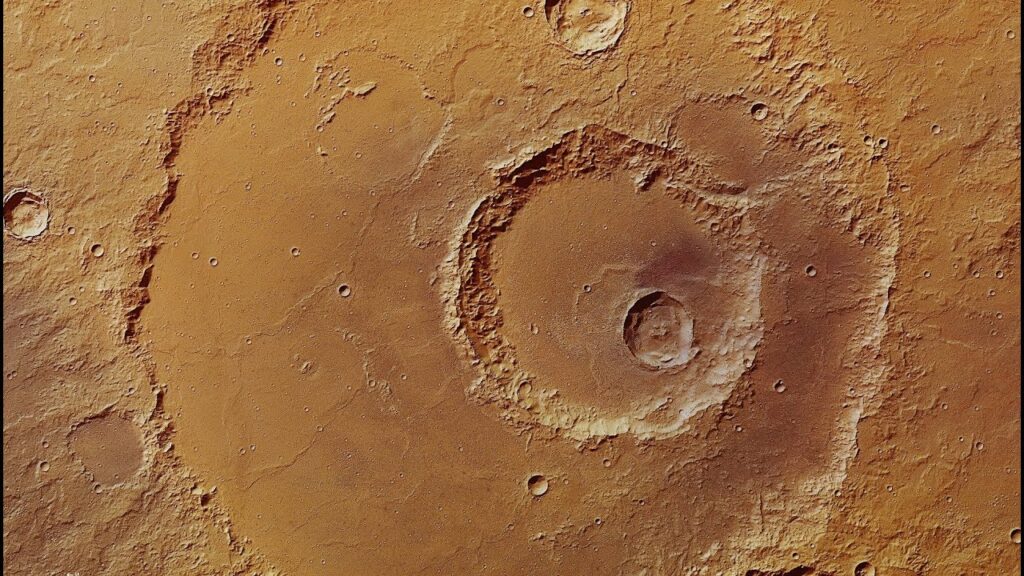

In 1629 the Dutch physicist-astronomer Christian Huygens was born, he who discovered Saturn’s largest moon with his self-built refractor telescope “Titan”. With “Annulo cingitur, tenui, plano, nusquam cohaerente, ad eclipticam inclinato” he expressed his intuition that Saturn was surrounded by a thin and flat ring. At the same time, his study preferences also included the Orion Nebula (the lighter internal region of the Nebula was called the Huygens Region in honor of his observations). Through his passion for the construction of astronomical instruments, he produced an eyepiece for telescopes made up of two planoconvex lenses, suitable for reducing chromatic aberration which takes his name (an asteroid was also dedicated to him, 2801 Huygens, a crater on Mars, the lander that landed on Titan during the Cassini-Huygens space mission and a mountain on the Moon, Mons Huygens, which is the highest peak in the Montes Apenninus chain). Take a look to the video: https://upload.wikimedia.org/wikipedia/commons/transcoded/c/c3/Huygens_descent.ogv/Huygens_descent.ogv.480p.vp9.webm…
Nel 1629 nasce il fisico-astronomo olandese Christian Huygens colui che scoprì con il suo telescopio rifrattore autocostruito “Titano”, la più grande luna di Saturno. Con “Annulo cingitur, tenui, plano, nusquam cohaerente, ad eclipticam inclinato” espresse la sua intuizione che Saturno fosse circondato da un anello sottile e piatto. In contemporanea tra le sue preferenze di studio anche la Nebulosa di Orione (la regione interna più chiara della Nebulosa venne chiamata Regione di Huygens in onore delle sue osservazioni). Attraverso la passione per la costruzione di strumenti astronomici, produrrà un oculare per cannocchiali formato da due lenti pianoconvesse, adatto a ridurre l’aberrazione cromatica che prende il suo nome (a lui è stato dedicato anche un asteroide, 2801 Huygens, un cratere su Marte, il lander atterrato su Titano durante la missione spaziale Cassini-Huygens e un monte sulla Luna, Mons Huygens, che è la cima più alta della catena dei Montes Apenninus). Vedi il video: https://upload.wikimedia.org/wikipedia/commons/transcoded/c/c3/Huygens_descent.ogv/Huygens_descent.ogv.480p.vp9.webm
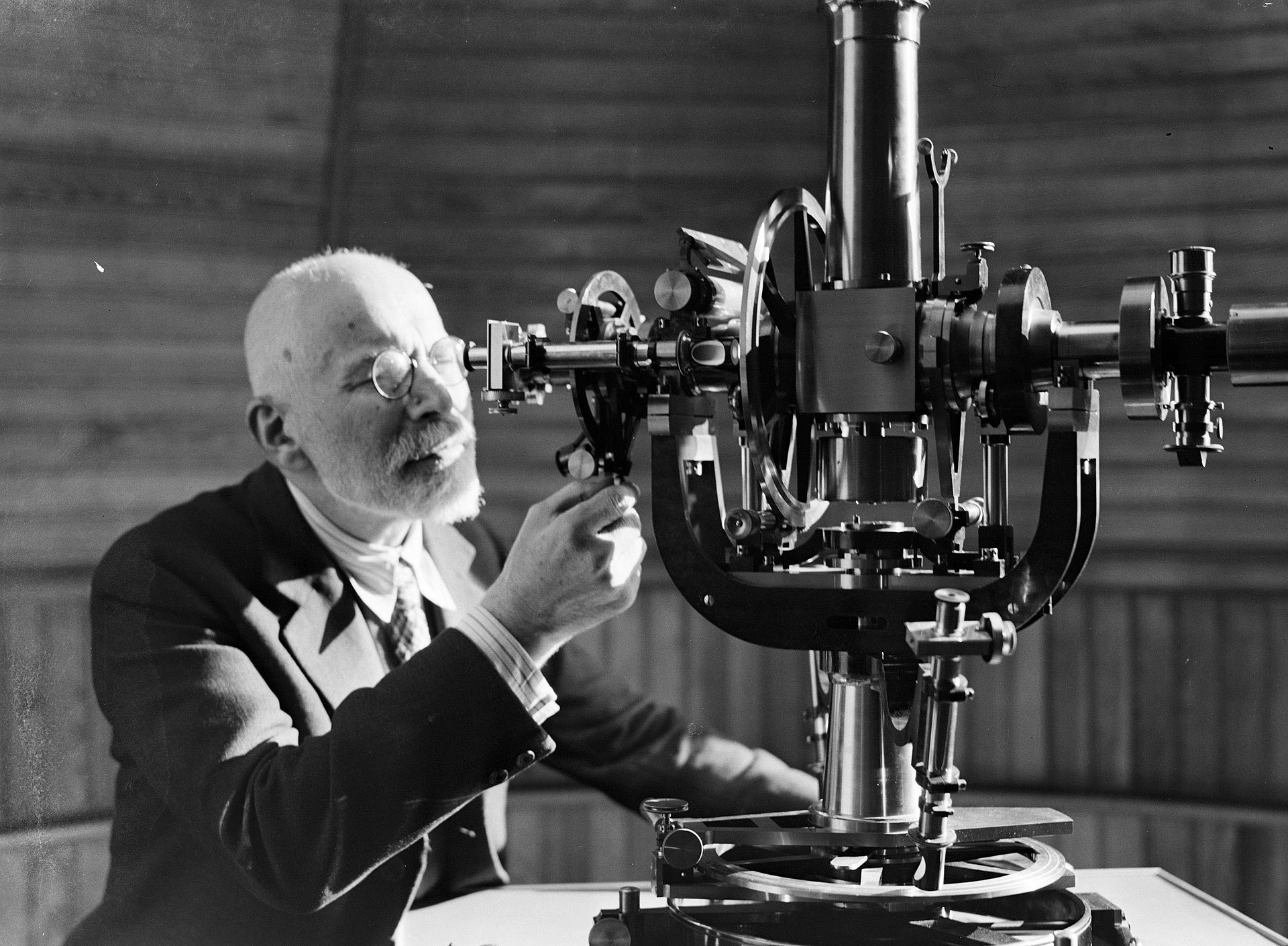
The astronomer Luigi Carnera was born in 1875 and was director of the Astronomical Observatory of Trieste in 1919. Carnera began his career as Max Wolf’s assistant in Heidelberg, Germany, discovering 16 asteroids; a main belt asteroid 39653 Carnera was dedicated to him
Nel 1875 nasce l’astronomo Luigi Carnera che fu direttore nel 1919 dell’Osservatorio astronomico di Trieste. Carnera iniziò la sua carriera come assistente di Max Wolf a Heidelberg in Germania scoprendo 16 asteroidi; a lui gli è stato dedicato un asteroide della fascia principale 39653 Carnera
Text source: Wikipedia, Nasa
Sostieni anche tu Wikipedia, YouTube
Google translate
 Astronomy Bulletin Of the Day