
🇬🇧 – 🇮🇹
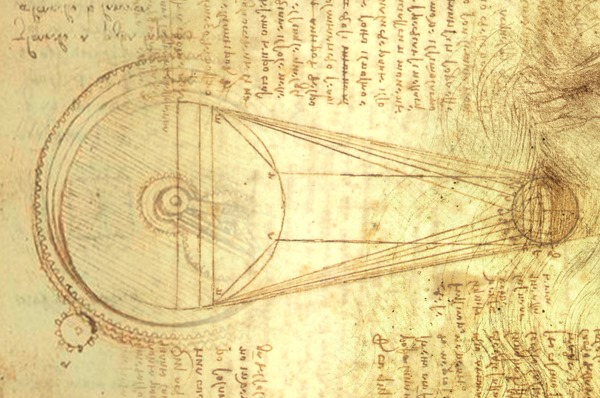
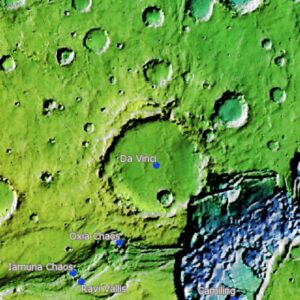
Today is “World Art Day” with a fitting celebration of the birth in 1452 of Leonardo Da Vinci, a man of genius and universal talent of the Renaissance, considered one of the greatest geniuses of humanity. He was in fact a scientist, philosopher, architect, painter, sculptor, designer, treatise writer, set designer, mathematician, anatomist, botanist, musician, engineer and designer… What else😅? In the field of astronomy he had fundamental intuitions, such as on the heat of the Sun, on the twinkle of the stars, on the Earth, on the Moon, on the centrality of the Sun with consequent and obvious complications… Even if the law of gravitation was not yet contemplated, Leonardo was already comparing the planets as magnets that attract each other, thus explaining the concept of gravitational attraction. It is said that the fugato technique in his works was inspired by the ashen light of the Moon (a phenomenon of multiple reflection of sunlight which, after having hit the Earth, a small part of it reaches our satellite, to then be reflected again by the Moon on earth). Two craters were dedicated to Leonardo, one lunar and one Martian
Oggi è la “giornata mondiale dell’arte” con doveroso festeggiamento della nascita nel 1452 di Leonardo Da Vinci, uomo d’ingegno e talento universale del Rinascimento, considerato uno dei più grandi geni dell’umanità. Fu infatti scienziato, filosofo, architetto, pittore, scultore, disegnatore, trattatista, scenografo, matematico, anatomista, botanico, musicista ingegnere e progettista… What else ? Nel campo dell’astronomia ebbe intuizioni fondamentali, come sul calore del Sole, sullo scintillio delle stelle, sulla Terra, sulla Luna, sulla centralità del Sole con conseguenti e scontate complicazioni… Anche se la legge di gravitazione non era ancora contemplata, Leonardo già paragonava i pianeti a calamite che si attraggono tra loro, spiegando così il concetto di attrazione gravitazionale. Si dice che la tecnica dello sfumato nelle sue opere gli venne ispirata dalla luce cinerea della Luna (fenomeno di riflessione multipla della luce solare la quale, dopo aver investito la Terra, in piccola parte raggiunge il nostro satellite, per poi essere nuovamente riflessa dalla Luna sulla Terra). A Leonardo vennero dedicati due crateri, uno lunare e uno marziano (vedi foto del cratere su Marte)
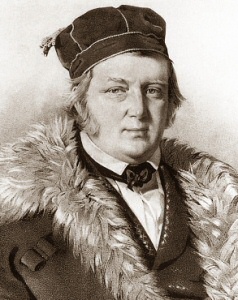
The German astronomer Friedrich G. W. von Struve was born in 1793, known above all for his observations of double stars and in 1843 for his accurate measurements of the aberration constant. He was also the first to measure Vega’s parallax.
Nel 1793 nasce l’astronomo tedesco Friedrich G. W. von Struve noto soprattutto per le sue osservazioni di stelle doppie e nel 1843 per le misurazioni accurate sulla costante di aberrazione. Egli fu anche il primo a misurare la parallasse di Vega.
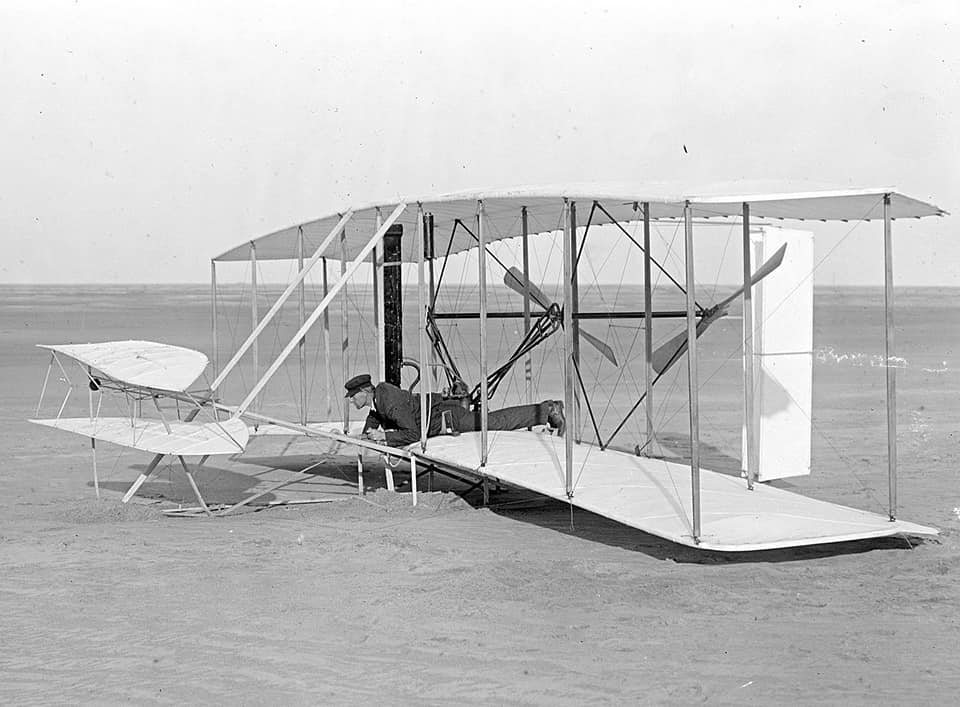
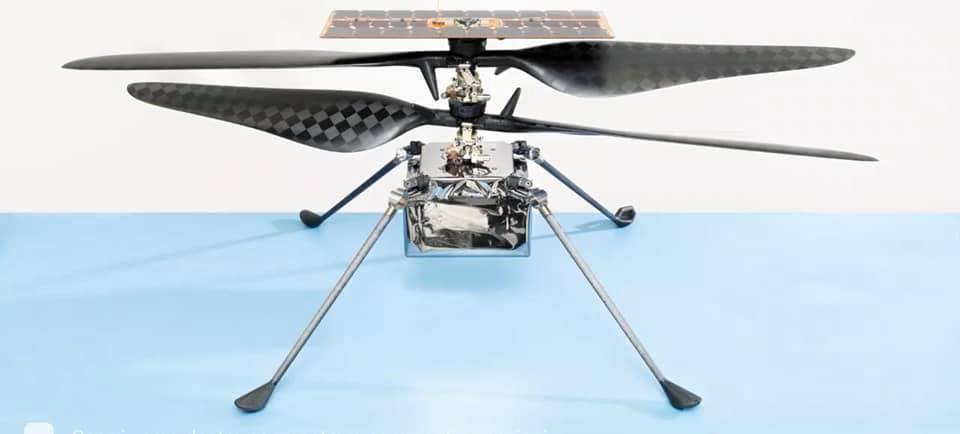
In 1867, Wilbur Wright was born, the American engineer who, with his brother Orville, managed to get the first heavier-than-air vehicle into the air in 1903 (see photo): aeronautics began. It is interesting to think that 118 years after this event the first flight of a vehicle on an extraterrestrial planet will take place (Ingenuity on Mars)!
Nel 1867 nasce Wilbur Wright l’ingegnere statunitense che, col fratello Orville, riuscirà nel 1903 a far alzare in volo il primo veicolo più pesante dell’aria (vedi foto): inizia l’aeronautica. È interessante pensare che dopo 118 anni da questo evento avverrà il primo volo di un veicolo su un pianeta extraterrestre (Ingenuity su Marte)!
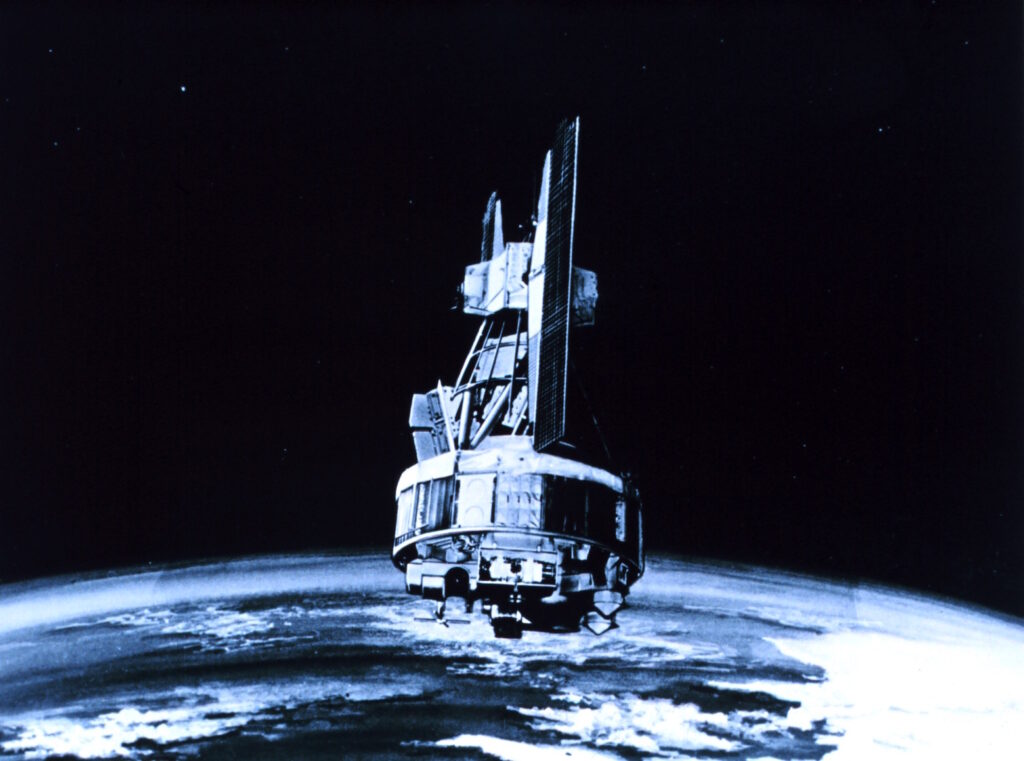
In 1969 the Nimbus 3 satellite recorded the first terrestrial infrared spectrum
Nel 1969 il satellite Nimbus 3 riprende il primo spettro infrarosso terrestre
Text source: Wikipedia, Nasa
Sostieni anche tu Wikipedia
Google translate
 Astronomy Bulletin Of the Day