🇬🇧 – 🇮🇹
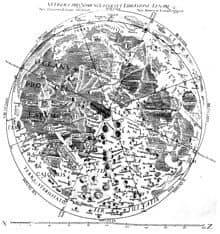
The Italian astronomer Giovanni Riccioli was born in 1598. He was a supporter of geocentrism and entered into the astronomical debate by rejecting the three main world systems current at the time (Ptolemaic, Copernican and Tychonic) and developing his own. In 1651 he published Almagestum novum, astronomiam veterem novamque complectens, in two volumes, in which he included a lunar map (see photo), assigning names to the lunar craters that are still in use today; he was the first to observe a double star, Mizar, in 1650, and in 1651 the shadow of the Medici satellites on Jupiter.
Nel 1598 nasce l’astronomo italiano Giovanni Riccioli, fautore del geocentrismo, s’inserì nel dibattito astronomico rifiutando i tre principali sistemi del mondo correnti all’epoca (tolemaico, copernicano e ticonico) ed elaborandone uno proprio. Ha pubblicato, nel 1651, Almagestum novum, astronomiam veterem novamque complectens, in due volumi, nel quale ha incluso una mappa lunare (vedi foto), assegnando ai crateri lunari nomi tuttora in uso; per primo osservò nel 1650 una stella doppia, Mizar, e nel 1651 l’ombra dei satelliti medicei su Giove.
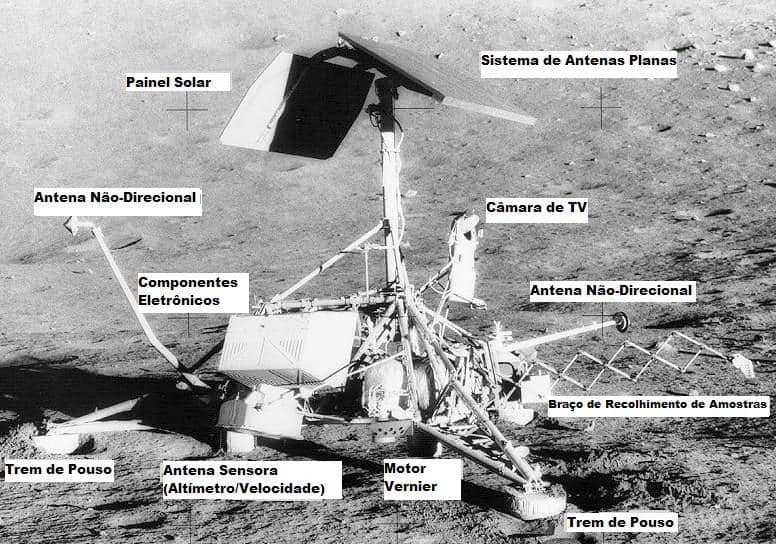
In 1967, the US Surveyor probe was launched, the third lunar lander launched by the United States towards the Moon (see photo of Surveyor 3 photographed by the Apollo 12-NASA astronauts). Its purpose was to collect environmental information necessary for subsequent Apollo missions.
Nel 1967 viene lanciata la sonda statunitense Surveyor, il terzo lander lunare lanciato dagli Stati Uniti verso la Luna (vedi foto del Surveyor 3 fotografato dagli astronauti dell’Apollo 12-NASA). Il suo scopo era raccogliere informazioni ambientali necessarie per le successive missioni Apollo.
In 1970, Apollo 13 returned with the rescue of the crew
Nel 1970 rientro dell’Apollo 13 con salvataggio dell’equipaggio
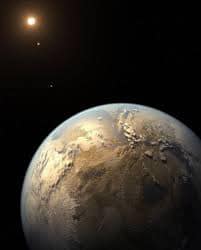
In 2014, the discovery of the planet Kepler-186 f was officially announced, an exoplanet orbiting around the red dwarf star Kepler-186, about 580 light years away from Earth. It had been described at the time of discovery as the first exoplanet with a radius similar to that of our planet and falling within the so-called habitable zone, however the distance of the system after measurements carried out with the Gaia satellite was found to be significantly greater, and this led to the rise of the estimate of the radius of the star and consequently also of that of the exoplanet, which ultimately turned out to be more similar to a super Earth than to a terrestrial analogue.
Nel 2014 viene annunciata ufficialmente la scoperta del pianeta Kepler-186 f, pianeta extrasolare orbitante intorno alla stella nana rossa Kepler-186, distante circa 580 anni luce dalla Terra. Era stato descritto al momento della scoperta come il primo pianeta extrasolare con un raggio simile a quello del nostro pianeta e rientrante nella cosiddetta zona abitabile tuttavia la distanza del sistema dopo misurazioni effettuate con il satellite Gaia fu riscontrata essere nettamente maggiore, e questo portò al rialzo della stima del raggio della stella e di conseguenza anche di quello dell’esopianeta, che risultò alla fine più simile a una super Terra che a un analogo terrestre.
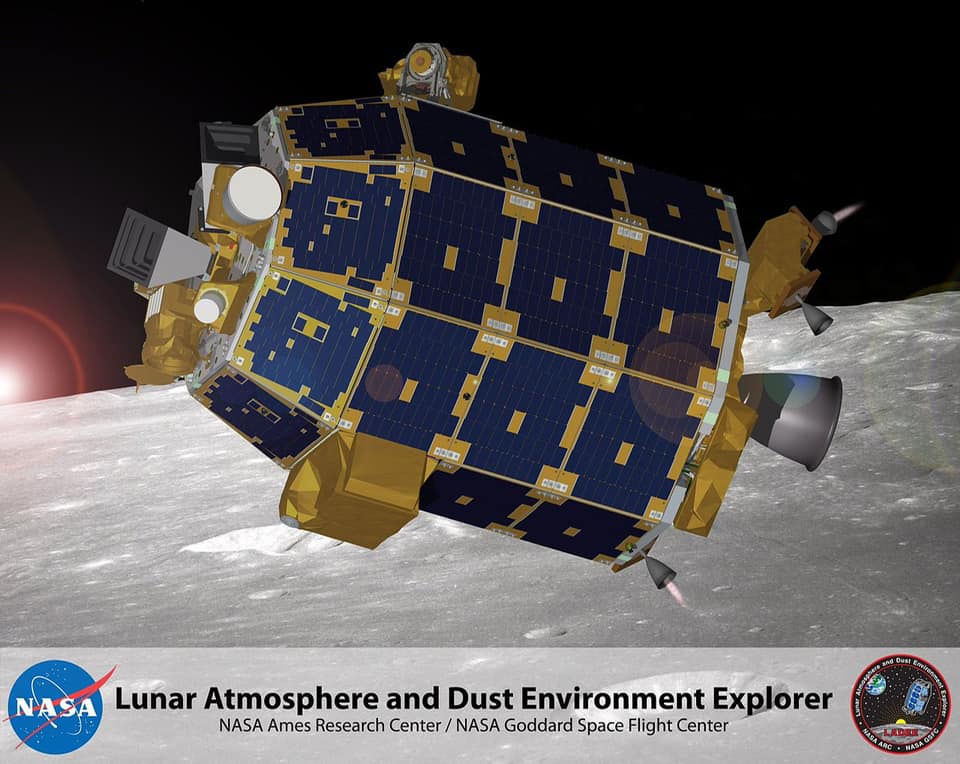
Also in the same year the US Lunar Atmosphere and Dust Environment Explorer probe impacted the lunar soil. LADEE was a NASA space probe for the exploration of the Moon, launched on September 7, 2013, from the Wallops Flight Facility, in Virginia
Sempre nello stesso anno la sonda statunitense Lunar Atmosphere and Dust Environment Explorer impattò sul suolo lunare. LADEE è stata una sonda spaziale della NASA per l’esplorazione della Luna, lanciata il 7 settembre 2013, dalla Wallops Flight Facility, in Virginia

In 2020, the great Como astrophysicist and science communicator Corrado Lamberti left us, known for having directed the astronomical magazines L’Astronomia and Le Stelle with Margherita Hack, as well as for being one of the most popular astronomical communicators in Italy, who we will all remember with great affection! In addition to all the great recognitions received, the asteroid 6206 Corradolamberti was also dedicated to him
Nel 2020 ci lasciava il grande astrofisico comasco e divulgatore scientifico Corrado Lamberti noto per aver diretto con Margherita Hack le riviste astronomiche L’Astronomia e Le Stelle, nonché per essere stato uno dei divulgatori astronomici più apprezzati in Italia che ricorderemo tutti con grande affetto! Oltre a tutti i grandi riconoscimenti ricevuti, a lui è stato dedicato anche l’asteroide 6206 Corradolamberti
Text source: Wikipedia, Nasa, YouTube
Sostieni anche tu Wikipedia
Google translate
 Astronomy Bulletin Of the Day