
🇬🇧 – 🇮🇹
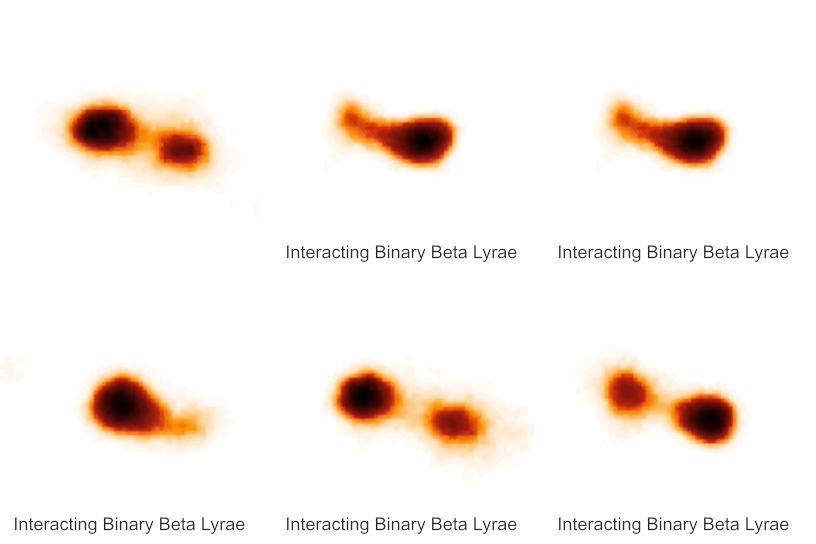
In 1796, John Goodricke died, an English amateur astronomer who discovered the variation of some variable stars (including in 1784 the first intrinsic variable, Delta Cephei, which later became the prototype of one of the most famous and studied classes of variable stars) and discovered the variation of Beta Lyrae, also an eclipsing variable and prototype of another class (EB) in which the two stars, this time both bright, are so close to each other and deformed by mutual attraction that the variation in brightness observed from Earth occurs in continuously, even outside the moments of eclipse, as the apparent surface of the two stars varies and is gradually turned towards the Earth.
Nel 1796 muore John Goodricke un astrofilo inglese che scoprì la variazione di alcune stelle variabili (fra cui nel 1784 la prima variabile intrinseca, Delta Cephei, divenuta poi il prototipo di una delle più celebri e studiate classi di stelle variabili) e scoprì la variazione di Beta Lyrae, anch’essa una variabile ad eclisse e prototipo di un’altra classe (EB) in cui le due stelle, stavolta entrambe luminose, sono così vicine fra loro e deformate dalla reciproca attrazione che la variazione di luminosità osservata dalla Terra avviene in modo continuo, anche fuori dai momenti di eclisse, al variare della superficie apparente delle due stelle che viene rivolta via via verso la Terra..
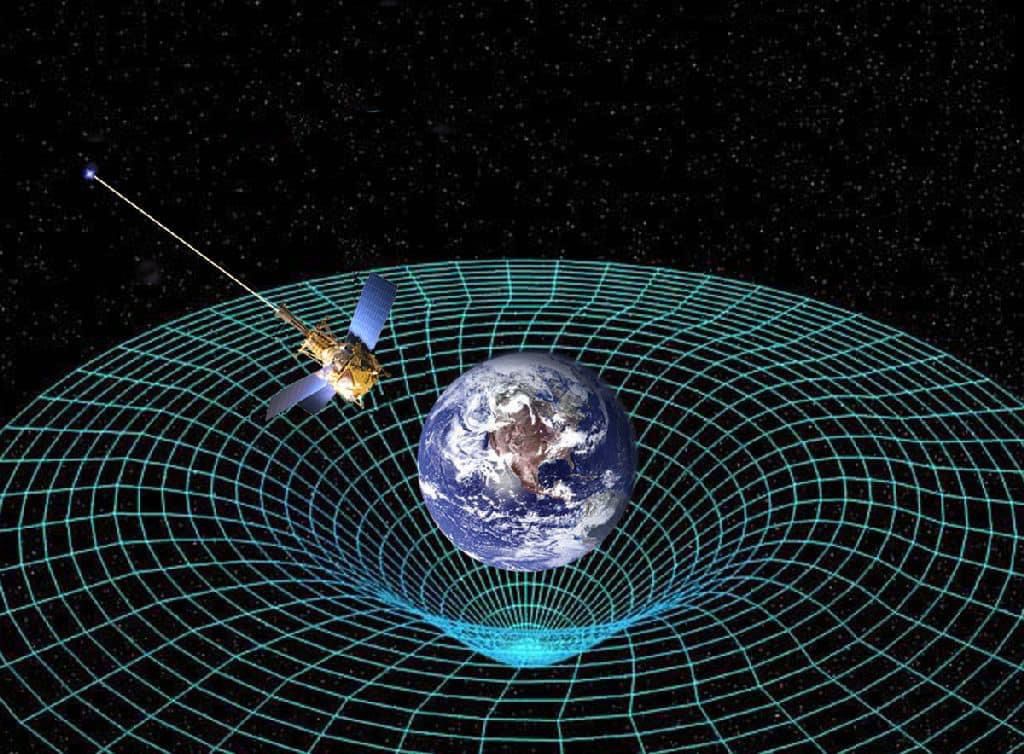
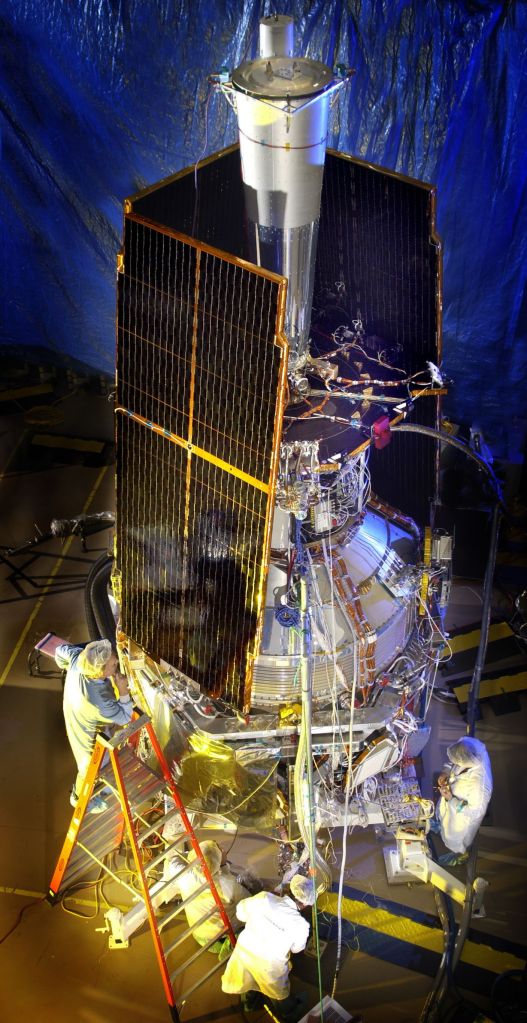
In 2004, NASA launched the Gravity Probe B satellite for the study of General Relativity. A confirmation of Einstein’s theories: the space-time around the Earth is slightly deformed and, using four ultra-precise gyroscopes, the geodetic effect will be tested, i.e. the deformation of space-time around a massive body, and the drag, which is the phenomenon by which the Earth distorts local space-time with its rotation.
Nel 2004 lancio del satellite Gravity Probe B nella NASA per lo studio della Relatività Generale. Una conferma delle teorie di Einstein: lo spazio-tempo attorno alla Terra è leggermente deformato e, tramite quattro giroscopi ultra-precisi, si proverá l’effetto geodetico, ossia la deformazione dello spazio-tempo attorno a un corpo massiccio, e l’effetto di trascinamento, che è il fenomeno per cui la Terra distorce lo spazio-tempo locale con la sua rotazione.
Sostieni anche tu Wikipedia
Text source: Wikipedia, Nasa
Google translate
 Astronomy Bulletin Of the Day