
🇬🇧 – 🇮🇹
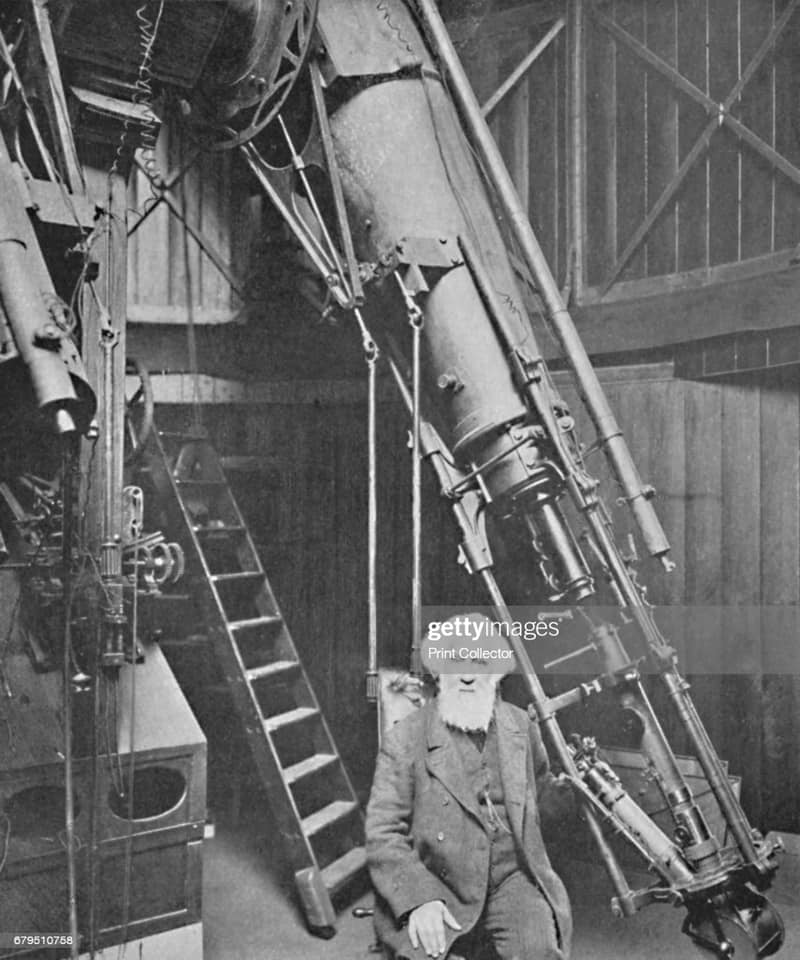
In 1910 the English astronomer William Huggins died (see photo credit getty images) known for having identified the gaseous nature of diffuse and planetary nebulae through spectroscopic measurements. He also obtained the first measurement of the radial velocity of stars.
Nel 1910 muore l’astronomo inglese William Huggins (vedi foto credit getty images) noto per aver individuato la natura gassosa delle nebulose diffuse e planetarie tramite misure spettroscopiche. Ottenne inoltre la prima misura di velocità radiale delle stelle.
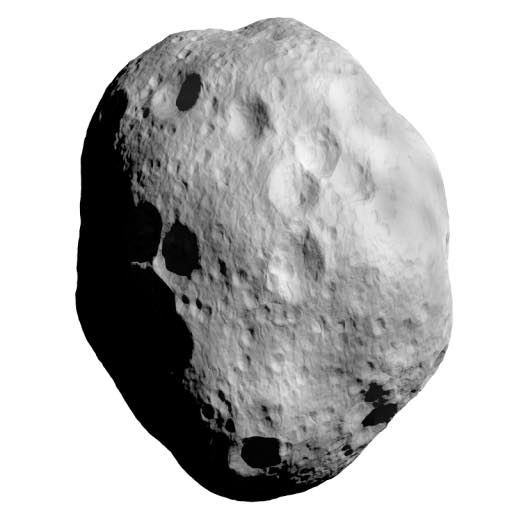
In 2000, the asteroid 719 Albert was rediscovered, lost in 1911. 719 Albert is a near-Earth asteroid which has an orbit characterized by a semi-major axis equal to 2.6289978 AU and an eccentricity of 0.5520365, inclined by 11.54890° with respect to the ecliptic. Its name is in honor of Albert Freiherr von Rothschild, benefactor of the Vienna Observatory. The size of the asteroid is comparable to Mount Everest. Very interesting this site where, in addition to all the data, we find orbital simulation, updated position of the asteroid etc etc: https://www.spacereference.org/asteroid/719-albert-a911-tb
Nel 2000 viene riscoperto l’asteroide 719 Albert, perso nel 1911. 719 Albert è un asteroide near-Earth che presenta un’orbita caratterizzata da un semiasse maggiore pari a 2,6289978 UA e da un’eccentricità di 0,5520365, inclinata di 11,54890° rispetto all’eclittica. Il suo nome è in onore di Albert Freiherr von Rothschild, benefattore dell’Osservatorio di Vienna. La grandezza dell’asteroide è paragonabile al Monte Everest. Molto interessante questo sito dove, oltre a tutti i dati, troviamo simulazione orbitale, posizione aggiornata dell’asteroide etc etc: https://www.spacereference.org/asteroid/719-albert-a911-tb
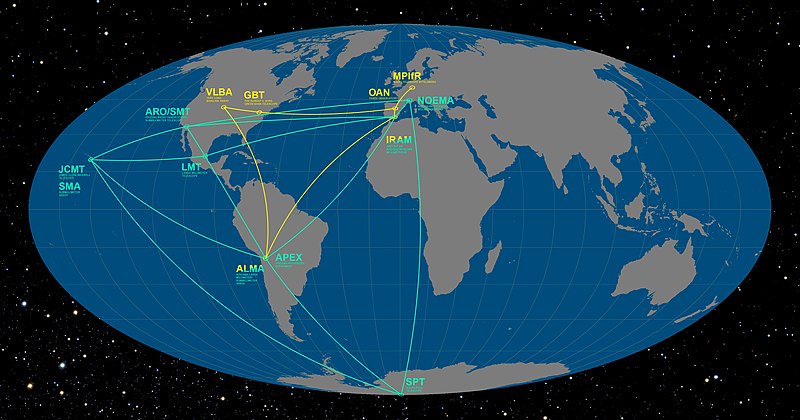
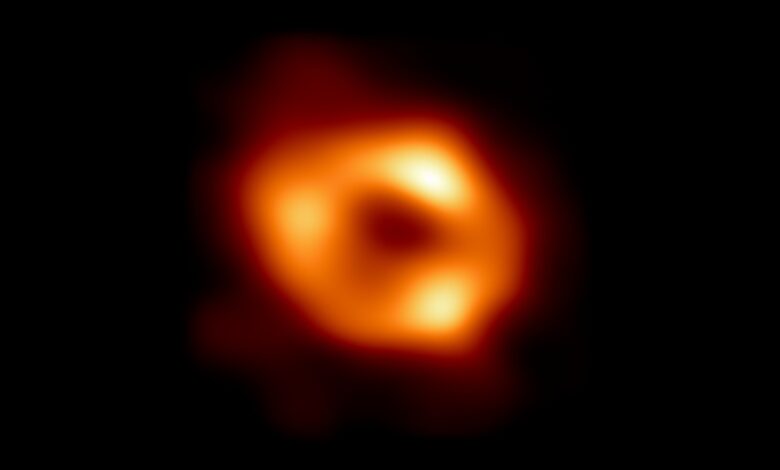
After the sensational image of the black hole of the galaxy M87, today in 2022 the image we have all been waiting for was unveiled: the image of the supermassive black hole at the center of our galaxy known as Sagittarius A, or Sgr A which is about four million times larger than our Sun and is about 27,000 light years from the Earth. It is a collaboration of 300 researchers who together form the EHT collaboration (Event Horizon Telescope) which with the interferometry system connect a network of radio telescopes located in different areas in the world. Here we see in addition to the image of the black hole also the complex system used for the project. Today this date will go down in history for the sensational nature of this beautiful surprise! Great emotion! We look forward to future developments and information! In the meantime, here is the official press release: https://www.eso.org/public/italy/news/eso2208-eht-mw/?lang&fbclid=IwAR2E2Fxbxkyw4MftFgLclmI-CwgZLd6lSXqJOgxZCubZIENLMqogZO_-SwI
Dopo la sensazionale immagine del buco nero della galassia M87, oggi (2022) è stata svelata l’immagine che tutti aspettavamo: l’immagine del buco nero supermassiccio al centro della nostra galassia noto come Sagittario A*, o Sgr A* che è circa quattro milioni di volte più grande del nostro Sole e dista dalla Terra circa 27.000 anni luce.. Si tratta di una collaborazione di 300 ricercatrori che assieme formano la EHT collaboration (Event Horizon Telescope) che con il sistema di interferometria collegano una rete di radiotelescopi localizzati in zone diverse nel mondo. Qui vediamo oltre all’immagine del buco nero anche il sistema complesso utilizzato per il progetto. Oggi questa data entrerà nella storia per la sensazionalità di questa bellissima sorpresa! Comunicato ufficiale: https://www.eso.org/public/italy/news/eso2208-eht-mw/?lang&fbclid=IwAR2E2Fxbxkyw4MftFgLclmI-CwgZLd6lSXqJOgxZCubZIENLMqogZO_-SwI
2022: replay ARISS – Scuola Secondaria di I Grado G. Leopardi (Macherio, MB) Telebridge via K6DUE Astronaut Samantha Cristoforetti: https://www.youtube.com/watch?v=duoy5ArXFFw
Sostieni anche tu Wikipedia
Text source: Wikipedia, Eso, www.spacereference.org
Google translate
 Astronomy Bulletin Of the Day