
🇬🇧 – 🇮🇹
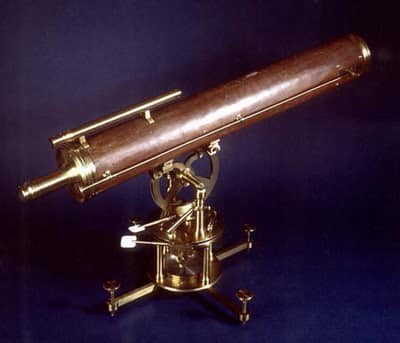
In 1630 the Jesuit physicist Nicolò Zucchi observed the bands of Jupiter through his first telescope (concave reflector), together with the spots on the surface of Mars (1640).
Nel 1630 il fisico gesuita Nicolò Zucchi osserva le bande di Giove attraverso il suo primo telescopio (riflettore concavo), unitamente ale macchie sulla superficie di Marte (1640).
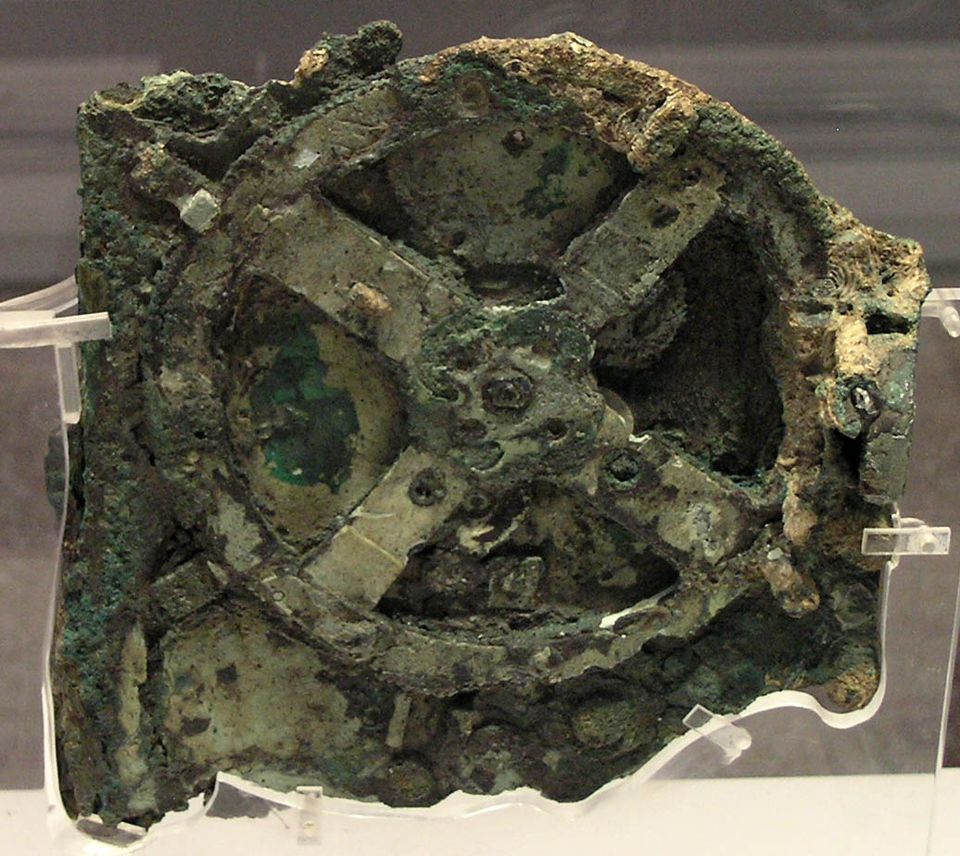

In 1902 the archaeologist Spyridon Stais found the Antikythera Mechanism (see detail in the photo), a mechanical device dated between 250 and 100 BC, considered to be the oldest known mechanical calculator. It was originally a sophisticated planetarium, moved by cogwheels, which was used to calculate the rising of the sun, the phases of the moon, the movements of the five planets then known, the equinoxes, the months, the days of the week and – according to a study published on Nature the dates of the Olympic Games. It was found in the wreck of Antikythera, among the remains of a shipwreck that took place in the second quarter of the 1st century BC. near the Greek island of Cerigotto (Antikythira in the local language).
Nel 1902 l’archeologo Spyridon Stais trova il Meccanismo di Antikythera (vedi un dettaglio nella foto), un congegno meccanico datato tra il 250 e il 100 a.C., venendo ritenuto il più antico calcolatore meccanico conosciuto. Si trattava originariamente di un sofisticato planetario, mosso da ruote dentate, che serviva per calcolare il sorgere del sole, le fasi lunari, i movimenti dei cinque pianeti allora conosciuti, gli equinozi, i mesi, i giorni della settimana e – secondo uno studio pubblicato su Nature le date dei giochi olimpici. Fu rinvenuta nel relitto di Anticitera, tra i resti di un naufragio avvenuto nel secondo quarto del I secolo a.C. nei pressi dell’isola greca di Cerigotto (Antikythira in lingua locale).
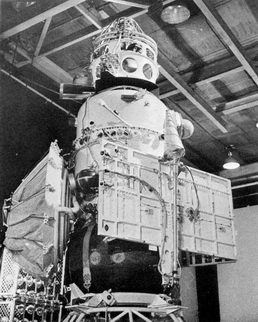
In 1969, the Soviet Venera 6 began its descent into Venus’ atmosphere, sending data before being crushed by the pressure. The Soviet spacecraft Venera 6 transmitted 51 minutes of valuable data as it descended through Venus’ dense atmosphere. Results Identical to Venera 5, Venera 6 reached Venus after performing 63 Earth communication sessions and a mid-course correction at a distance of approximately 15.7 million km from Earth on March 16, 1969. Its 405 kg separated from the mother probe about 25,000 km from the planet and entered the Venusian atmosphere at a speed of about 11.17 km per second at 06:05 UT on May 17, 1969. The Venera 6 capsule transmitted data for 51 minutes before contact was lost, probably at an altitude of about 18 km. The pressure was 27 atmospheres at loss of contact, similar to that measured by Venera 5 at a much higher altitude, indicating that Venera 6 may have descended onto a mountain or plateau. The landing coordinates were 5 degrees south latitude and 23 degrees north longitude. The results of the Venera 5 and 6 missions, published by the Soviets in March 1970, appeared to confirm and refine the previous results of Venera 4, suggesting that the planetary atmosphere was composed of 97% carbon dioxide, less than 2% nitrogen and less than 0.1 percent oxygen. Data from Venera 6 suggested that the ground pressure was around 60 atmospheres and the ground temperature was around 400 degrees Celsius.
Nel 1969 il Venera 6 sovietico inizia la discesa nell’atmosfera di Venere, inviando dei dati prima di farsi schiacciare dalla pressione. La sonda sovietica Venera 6 ha trasmesso 51 minuti di dati preziosi mentre scendeva attraverso la densa atmosfera di Venere. Risultati Identici a Venera 5, Venera 6 ha raggiunto Venere dopo aver eseguito 63 sessioni di comunicazione con la Terra e una correzione a metà rotta a una distanza di circa 15,7 milioni di km dalla Terra il 16 marzo 1969. Il suo lander da 405 kg si è separato dalla sonda madre a circa 25.000 km dal pianeta ed è entrato nell’atmosfera venusiana a una velocità di circa 11,17 km al secondo alle 06:05 UT il 17 maggio 1969. La capsula Venera 6 ha trasmesso i dati per 51 minuti prima che il contatto andasse perso, probabilmente a un’altitudine di circa 18 km. La pressione era di 27 atmosfere alla perdita di contatto, simile a quella misurata da Venera 5 ad un’altitudine molto più alta, indicando che Venera 6 potrebbe essere scesa su una montagna o un altopiano. Le coordinate di atterraggio erano 5 gradi di latitudine sud e 23 gradi di longitudine nord. I risultati delle missioni Venera 5 e 6, pubblicati dai sovietici nel marzo 1970, sembravano confermare e affinare i risultati precedenti di Venera 4, suggerendo che l’atmosfera planetaria era composta per il 97% di anidride carbonica, meno del 2% di azoto e meno di 0,1 percentuale di ossigeno. I dati di Venera 6 hanno suggerito che la pressione al suolo era di circa 60 atmosfere e la temperatura del suolo era di circa 400 gradi Celsius.
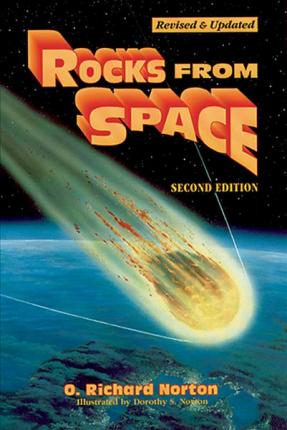
In 2009 O. Richard Norton died. He was a great meteorite researcher and author of numerous texts on this subject such as “Rocks from space” (see cover), “The Cambridge Encyclopedia of Meteorites” and others.
Nel 2009 muore O. Richard Norton un grande studioso di meteoriti ed autore di numerosi testi su questo argomento come “Rocks from space”(vedi copertina), “The Cambridge Encyclopedia of Meteorites” e altri.
Text source: Wikipedia
Sostieni anche tu Wikipedia
Google translate
 Astronomy Bulletin Of the Day