
🇬🇧 – 🇮🇹
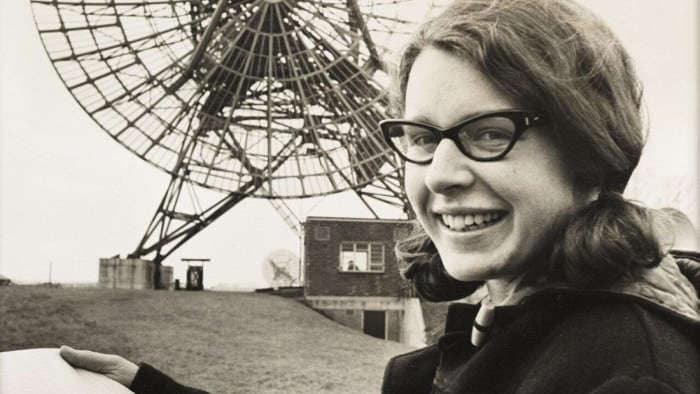

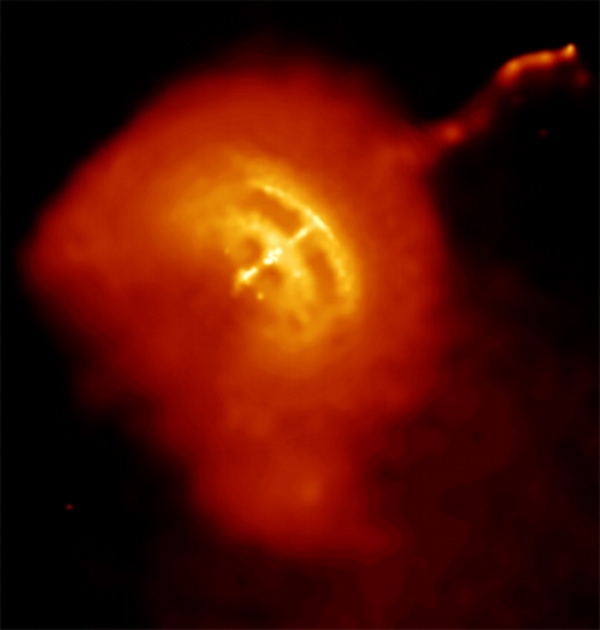
In 1943, the English astronomer Jocelyn Bell was born (see photo); she discovered the first pulsar (pulsating radio source) in 1967. Curiosity: the first pulsar bears the name of LGM-1, where LGM is the acronym of Little Green Men (little green man) because when J. Bell listened to the background noise of the recording made on the sky, he found a signal that pulsed regularly (more or less once a second) confusing it with a signal of extraterrestrial origin due to its regularity. Only later was the source identified as a very high-speed rotating neutron star and is now officially recognized under the name of PSR B1919+21. This discovery was awarded a Nobel in 1974 which was incorrectly awarded to director Antony Hewish. Always at the forefront of fighting sexism in the scientific sector, Jocelyn Bell won the famous Breakthrough prize for Fundamental Physics of 3 million dollars in 2018
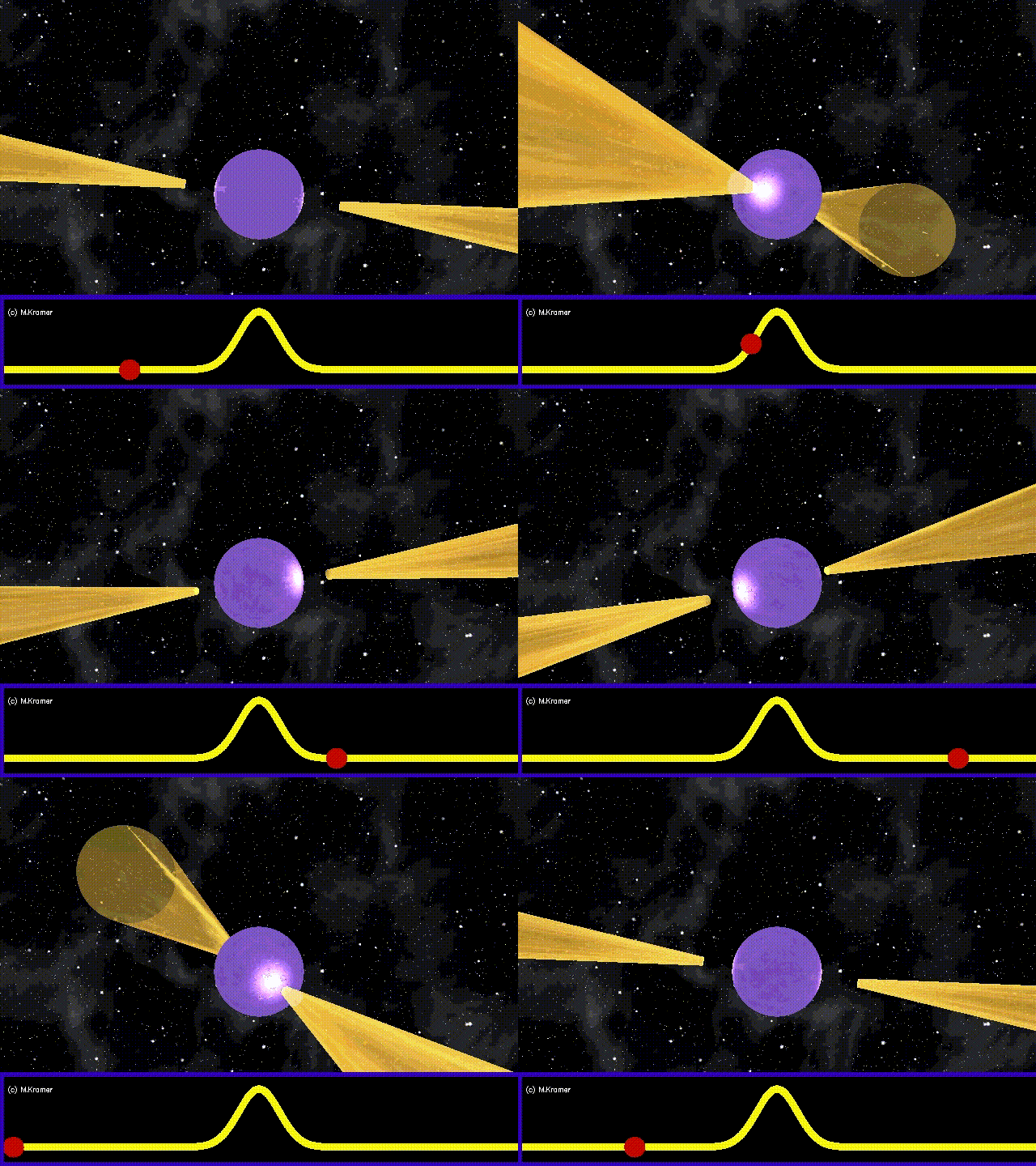
Nel 1943 nasce l’astronoma inglese Jocelyn Bell (vedi foto), che scoprirà la prima pulsar (sorgente radio pulsante) nel 1967. Curiosità: la prima pulsar porta il nome di LGM-1, dove LGM è l’acronimo di Little Green Men (omino verde) perchè quando J. Bell ascoltó il rumore di fondo della registrazione compiuta sul cielo, trovò un segnale che pulsava regolarmente (più o meno una volta al secondo) confondendolo con un segnale di origine extraterrestre proprio per la sua regolarità. Solo dopo la sorgente venne identificata come una stella di neutroni rotante ad altissima velocità ed è oggi ufficialmente riconosciuta con il nome di PSR B1919+21. Questa scoperta fu premiata con un Nobel nel 1974 che fu però assegnato scorrettamente al direttore Antony Hewish. Da sempre in prima linea per combattere il sessismo nel settore scientifico, Jocelyn Bell vince nel 2018 il famoso Breakthrough prize per la Fisica Fondamentale di ben 3 milioni di Dollari: https://www.focus.it/scienza/scienze/jocelyn-bell-burnell-scopritrice-delle-pulsar-ha-vinto-il-breakthrough-prize
Video intervista a Jocelyn Bell dagli amici di CHPDB: https://www.youtube.com/watch?v=QmLo4YoDKYU
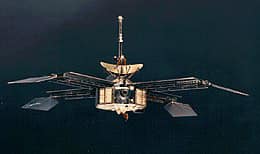
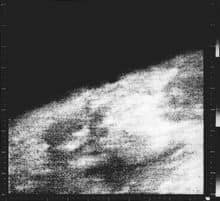
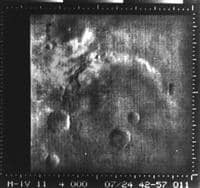
In 1965, the first photos of Mars from the Mariner 4 probe arrived on Earth. See images above
Nel 1965 arrivano sulla Terra le prime foto di Marte dalla sonda Mariner 4. Vedi immagini sopra
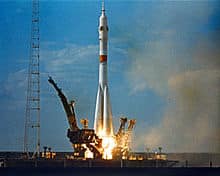
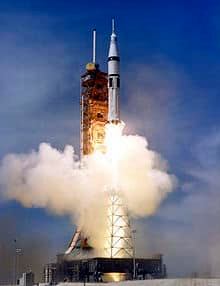
In 1975, the Apollo and Soyuz shuttles were launched (see photo) for a US-Soviet rendezvous in space (Apollo Soyuz experimental project), with astronauts Donald K. “Deke” Slayton (first Apollo Docking Module Pilot), Thomas P. Stafford and Vance D. Brand who conducted scientific experiments together with the Russian members of the mission (the cosmonauts Aleksey A. Leonov and Valeriy Kubasov). Interesting video with NASA history and docking (12 min) https://youtu.be/hM25uYAQWeo
Nel 1975 lancio delle navette Apollo e Sojuz (vedi foto) per un rendez-vous USA-URSS nello spazio (progetto sperimentale Apollo Sojuz), con gli astronauti Donald K. “Deke” Slayton (first Apollo Docking Module Pilot), Thomas P. Stafford e Vance D. Brand che condussero esperimenti scientifici assieme ai membri russi della missione (i cosmonauti Aleksey A. Leonov e Valeriy Kubasov). Interessante il video con la storia e attracco Nasa (inglese, – sottotitoli italiano – 12 min circa) https://youtu.be/hM25uYAQWeo
Text source: Wikipedia, NASA
Sostieni anche tu Wikipedia
Google translate
 Astronomy Bulletin Of the Day