🇬🇧 – 🇮🇹
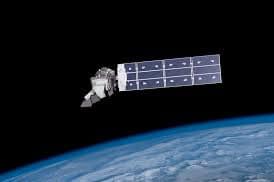
In 1972 the first Landsat was launched (see photo) it is a constellation of remote sensing satellites that observe the Earth: the data they collect has been used for over 30 years to study the environment, resources, and the natural and artificial changes that have occurred on the Earth’s surface.
Nel 1972 viene lanciato il primo Landsat (vedi immagine) si tratta di una costellazione di satelliti per telerilevamento che osservano la Terra: i dati da loro collezionati sono stati usati per oltre 30 anni per studiare l’ambiente, le risorse, e i cambiamenti naturali e artificiali avvenuti sulla superficie terrestre.
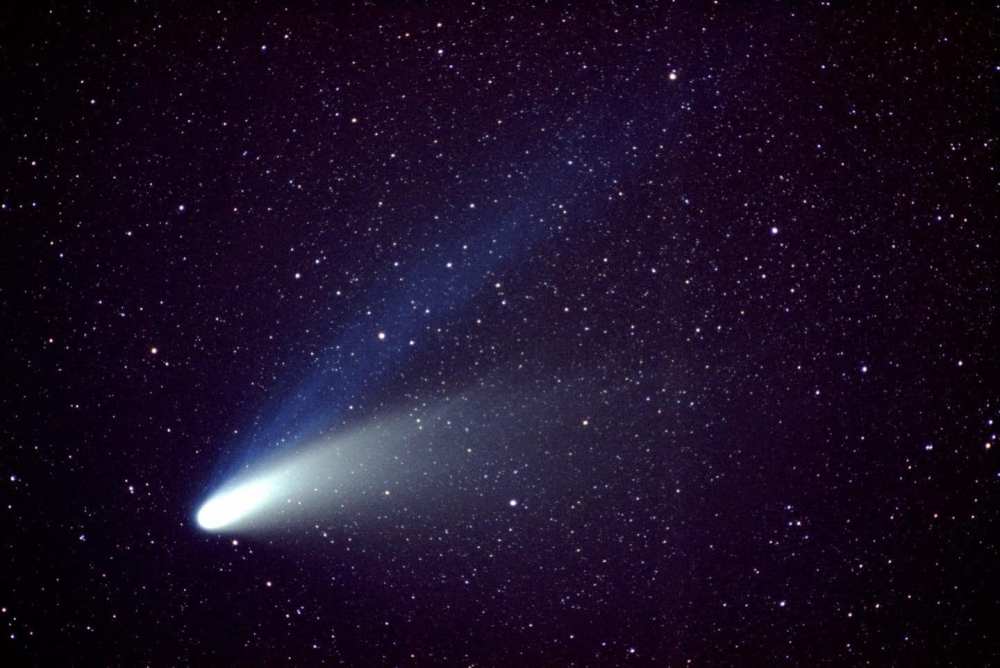
Laica R4 su montatura Vixen Super Polaris Teleobiettivo Leitz Vario Elmar 75-200 Focale 200mm f4,5 8 minuti di esposizione Pellicola Kodak Ektachrome 1600 ASA
Comet Hale-Bopp (C/1995 O1) discovered in 1995. It is probably the most observed comet of the 20th century and one of the brightest seen for many decades. It has been defined as the Great Comet of 1997. It was visible to the naked eye for 18 months, twice as long as the Great Comet of 1811 (C/1811 F1).
Nel 1995 scoperta la cometa Hale-Bopp (C/1995 O1): probabilmente è la cometa più osservata del XX secolo e una delle più luminose mai viste da molti decenni. È stata definita come la Grande Cometa del 1997. Fu visibile a occhio nudo per ben 18 mesi, il doppio della Grande Cometa del 1811 (C/1811 F1).

In 1999 the Chandra X-Ray observatory was launched (see photo), a NASA orbital telescope for observing the sky in X-rays named in honor of the Nobel Prize winner Subrahmanyan Chandrasekhar. The discoveries made thanks to the observations of this powerful telescope concern a greater understanding of supernovae, black holes, star clusters and galaxies.
Nel 1999 viene lanciato il Chandra X-Ray observatory (vedi foto), un telescopio orbitale della NASA per l’osservazione del cielo nei raggi X chiamato così in onore del premio Nobel Subrahmanyan Chandrasekhar. Le scoperte fatte grazie alle osservazioni di questo potente telescopio riguardano una maggiore comprensione delle supernovae, dei buchi neri, degli ammassi stellari e delle galassie.
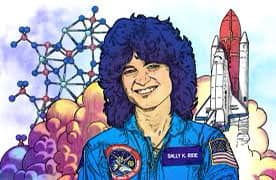
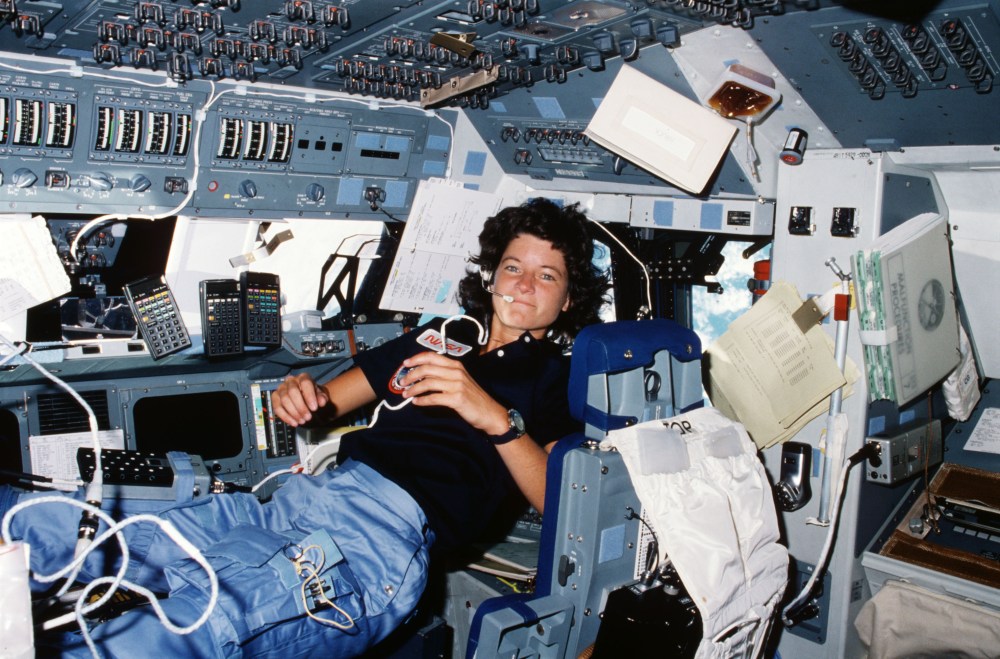
In 2012, astronaut Sally Ride died (see image), the first US astronaut to reach space on June 18, 1983, aboard STS-7, which returned to Earth on June 24, 1983.
Nel 2012 muore l’astronauta Sally Ride (vedi immagine), la prima astronauta statunitense a raggiungere il 18 giugno 1983 lo spazio, a bordo della STS-7, che rientrò sulla Terra il 24 giugno 1983.
To receive the Astronomy Bulletin Of the Day in your inbox, please put your email address on the contact form: https://abod.blog/contacts/
Per ricevere il bollettino per gli astronaviganti giornaliero nella tua posta elettronica, inserisci la tua mail nel form contatti: https://abod.blog/contacts/
Text and video source: Wikipedia, NASA
Sostieni anche tu Wikipedia
Google translate
 Astronomy Bulletin Of the Day