
🇬🇧 – 🇮🇹


In 1854 Giovanni Virgilio Schiaparelli graduated as an astronomer and was considered one of the greatest expert of the planet Mars. In fact, during the great opposition of 1877, Schiaparelli observed a dense network of linear structures on the surface of the planet which he called “canals”. The canals of Mars soon became famous, giving rise to speculation and misunderstandings (also due to the incorrect translation of the term canal into English instead of channels giving illusions of artificial structures and therefore of the presence of potential Martians), see map.
Nel 1854 si laurea Giovanni Virgilio Schiaparelli; astronomo considerato uno dei massimi studiosi del pianeta Marte. Durante la grande opposizione del 1877 infatti, Schiaparelli osservò sulla superficie del pianeta una fitta rete di strutture lineari che chiamò “canali”. I canali di Marte divennero ben presto famosi, dando origine a speculazioni e incomprensioni (dovute anche all’errata traduzione del termine canale in inglese canals anziché channels dando illusioni di strutture artificiali e quindi della presenza di ipotetici marziani), vedi mappa.
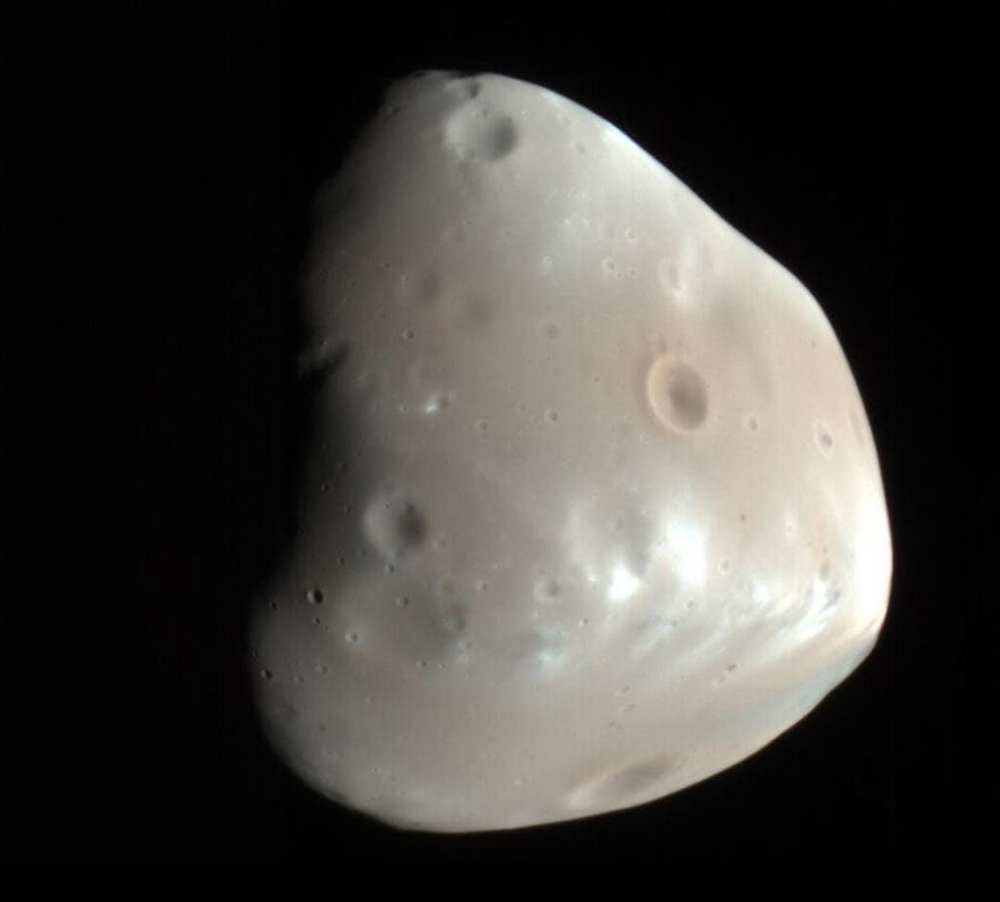
In 1877 Asaph Hall discovered Deimos (see photo) during the great opposition of Mars. Nasa link: https://solarsystem.nasa.gov/moons/mars-moons/deimos/in-depth/
Nel 1877 Asaph Hall scopre Deimos (vedi foto) durante la grande opposizione di Marte. Link Nasa: https://solarsystem.nasa.gov/moons/mars-moons/deimos/in-depth/
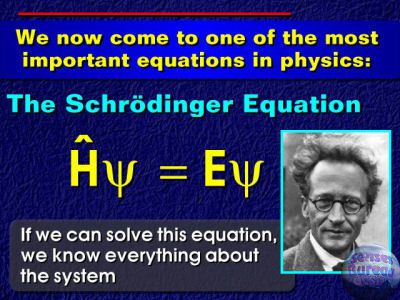

Erwin Rudolf Josef Alexander Schrödinger was born today in 1887. He was an Austrian physicist, one of the greatest of the 20th century for his fundamental contributions to quantum mechanics and, in particular, for the equation that bears his name, thanks to which he won the Nobel prize for physics in 1933.
Nel 1887 nasce Erwin Rudolf Josef Alexander Schrödinger, un fisico austriaco, fra i maggiori del XX secolo per i suoi fondamentali contributi alla meccanica quantistica e, in particolare, per l’equazione che porta il suo nome, grazie alla quale vinse il premio Nobel per la fisica nel 1933.

In 1900 the astronomer James E. Keeler died, co-founder together with G. Hale in 1895 of the Astrophysical Journal. He is known for having been the first to observe the division in Saturn’s rings which today is called Encke’s division and named after him the Keeler division (see photo) discovered by the Voyager program.
Nel 1900 muore l’astronomo James E. Keeler, co-fondatore assieme con G. Hale nel 1895 dell’Astrophysical Journal. È noto per esser stato il primo ad osservare la divisione negli anelli di Saturno che oggi si chiama divisione di Encke e battezzata a lui la divisione di Keeler (vedi foto) scoperta dal programma Voyager.
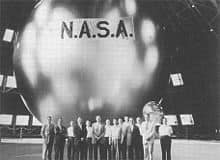
In 1960, ECHO 1, the first telecommunications satellite, was launched (see photo).
Nel 1960 viene lanciato ECHO 1, il primo satellite per telecomunicazione (vedi foto).
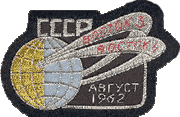
In 1962, the Soviet probe Vostok 4 was launched with cosmonaut Pavlo R. Popovic on board with a goal of 48 orbits around the earth.
Nel 1962 lancio della sonda sovietica Vostok 4 con a bordo il cosmonauta Pavlo R. Popovic con un traguardo di 48 orbite attorno alla terra.

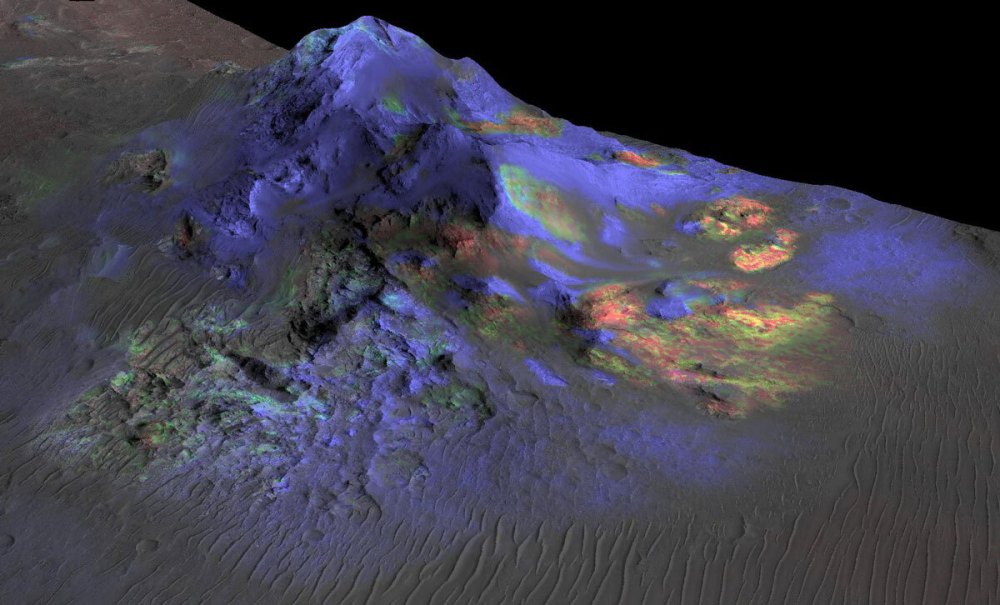
In 2005: launch of NASA’s Mars Reconnaissance Orbiter (MRO) to Mars (see image), designed to perform very high-resolution observations of Mars. Rainbows? Check out NASA’s website for the “rainbow” MRO image released: https://mars.nasa.gov/news/9211/nasa-mars-orbiter-releasing-one-of-its-last-rainbow-colored-maps / or visit the official page of the mission and follow the updating news: https://mars.nasa.gov/mro/
Nel 2005 lancio della sonda della NASA Mars Reconnaissance Orbiter (MRO) verso Marte (vedi immagine), progettato per eseguire osservazioni di Marte ad altissima risoluzione. Arcobaleni? Date un’occhiata sul sito della Nasa sull’ immagine MRO rilasciata: https://mars.nasa.gov/news/9211/nasa-mars-orbiter-releasing-one-of-its-last-rainbow-colored-maps/ oppure visita il sito Nasa della missione e resta aggiornato sulle ultime notizie: https://mars.nasa.gov/mro/
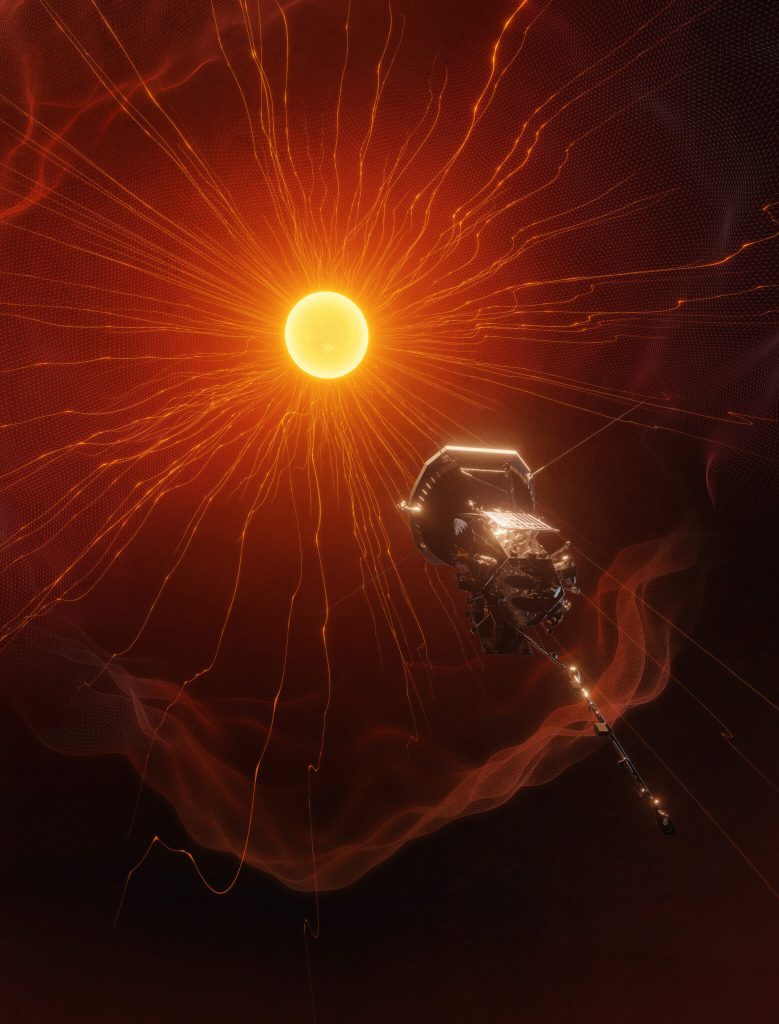
In 2018 launch of the Parker Solar Probe probe (see image) with the aim of analyzing the Sun and its solar wind. Live video from Nasa:
Nel 2018 lancio della sonda Parker Solar Probe (vedi immagine) con lo scopo di analizzare il Sole e il suo vento solare. Video del lancio Nasa:
To receive the Astronomy Bulletin Of the Day in your inbox, please put your email address on the contact form: https://abod.blog/contacts/
Per ricevere il bollettino per gli astronaviganti giornaliero nella tua posta elettronica, inserisci la tua mail nel form contatti: https://abod.blog/contacts/
Text and video source: Wikipedia, NASA, YouTube
Sostieni anche tu Wikipedia
Google translate
 Astronomy Bulletin Of the Day