
🇬🇧 – 🇮🇹

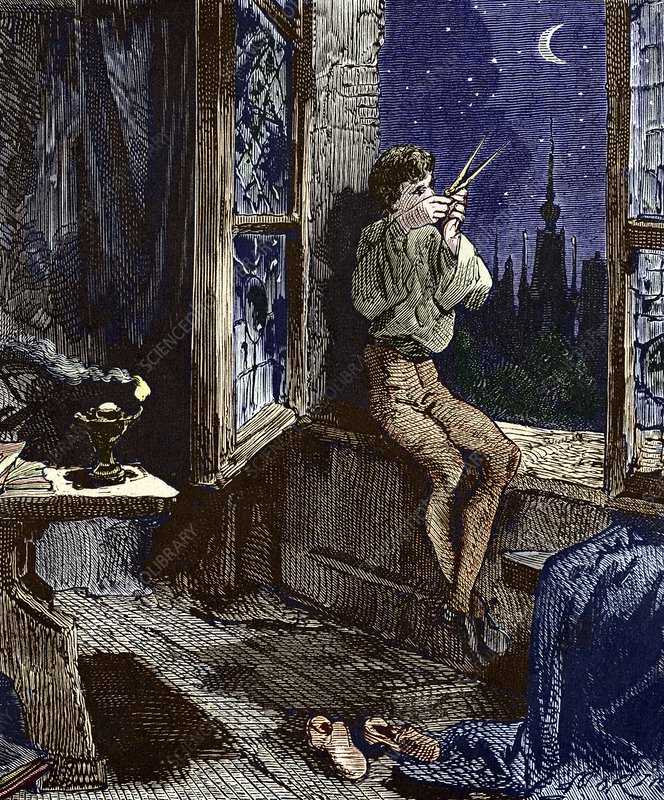
In 1601 the Danish astronomer Tycho Brahe died and the cause of his death is still unknown! Murder was hypothesized… that it was his student Kepler who poisoned him? In reality it was probably the bursting of his bladder during a banquet: etiquette did not require him to leave and he suffered for the entire duration of the event. He died 11 days later. We remember Brahe for having published in 1573 his observations of the supernova which appeared in 1572 in the constellation of Cassiopeia and for having also proposed his own (incorrect) model of the Solar System, according to which all the planets revolved around the Sun while the Sun and the Moon revolved around the Earth, thus going beyond the Ptolemaic model and the Copernican theory.
Nel 1601 muore l’astronomo danese Tycho Brahe di cui ancora è ignara la causa della sua morte! Venne ipotizzato omicidio… che sia stato il suo allievo Keplero ad avvelenarlo? In realtà fu probabilmente lo scoppio della vescica accaduto durante un banchetto: il galateo non prevedeva l’allontanamento e soffrì per tutta la durata dell’evento. Morì 11 giorni dopo. Articolo qui. Ricordiamo Brahe per aver pubblicato nel 1573 le sue osservazioni della supernova comparsa nel 1572 nella costellazione di Cassiopea e per aver proposto anche un proprio modello (non corretto) del Sistema solare, secondo il quale tutti i pianeti ruotavano intorno al Sole mentre il Sole e la Luna ruotavano intorno alla Terra andando così oltre il modello tolemaico e alla teoria copernicana.
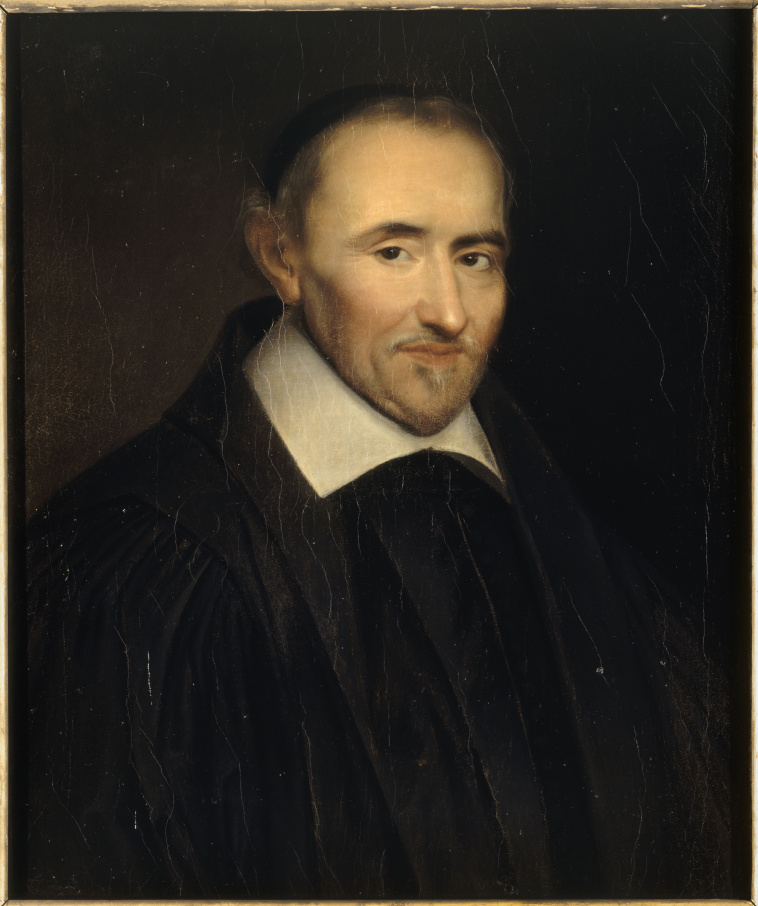
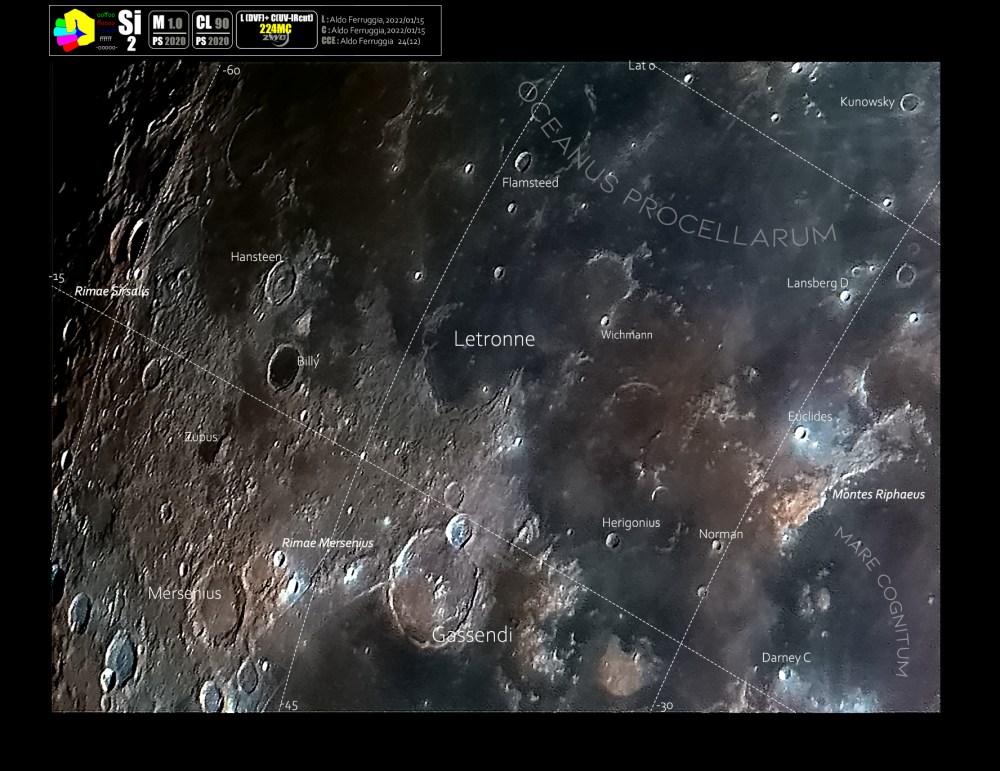
In 1655 the French astronomer and mathematician Pierre Gassendi died, important for having fought the authority of Aristotle, for having been among those who re-evaluated the experiment as a process of confirmation of scientific theory and for having understood how atomism was compatible with the scientific reality that was taking shape. A well-known lunar crater was dedicated to him.
Nel 1655 muore l’astronomo e matematico francese Pierre Gassendi, importante per aver combattuto l’autorità di Aristotele, per esser stato tra coloro che hanno rivalutato l’esperimento come processo di conferma della teoria scientifica e per aver intuito come l’atomismo fosse compatibile con la realtà scientifica che si andava delineando. A lui gli è stato dedicato un noto cratere lunare.

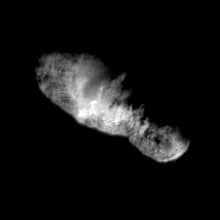
In 1998, the Deep Space 1 probe was launched with the aim of carrying out measurements and photographs of the asteroid Braille and comet 19P/Borrelly (see photograph of the nucleus taken by the probe).
Nel 1998 lancio della sonda Deep Space 1 con lo scopo di effettuare misurazioni e fotografie dell’asteroide Braille e della cometa 19P/Borrelly (vedi fotografia del nucleo scattata dalla sonda).
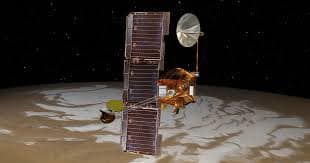
In 2001 the American probe Mars Odyssey (see image) reached Mars. Launched from the Cape Canaveral base on 7 April 2001, it is still operational and continues to map and mineralogically study the planet’s surface. Thanks to it, the landing site which took place in 2004 for the Opportunity robot was chosen.
Nel 2001 la sonda americana Mars Odyssey (vedi immagine) raggiunge Marte. Lanciata dalla base di Cape Canaveral, il 7 aprile 2001, è ancora operativa e prosegue nella mappatura e studio mineralogico della superficie del pianeta. Grazie ad essa, è stato scelto il sito di ammartaggio avvenuto nel 2004 per il robot Opportunity.

In 2007 the Chinese Chang’e-1 probe took off from the Xichang space base, entering lunar orbit 12 days later
Nel 2007 la sonda cinese Chang’e-1 decolla dalla base spaziale di Xichang, immettendosi in orbita lunare 12 giorni dopo
To receive the Astronomy Bulletin Of the Day in your inbox, please put your email address on the contact form: https://abod.blog/contacts/
Per ricevere il bollettino per gli astronaviganti giornaliero nella tua posta elettronica, inserisci la tua mail nel form contatti: https://abod.blog/contacts/
Text, images and video source: Wikipedia, NASA, YouTube
Sostieni anche tu Wikipedia
Google translate
 Astronomy Bulletin Of the Day