🇬🇧 – 🇮🇹
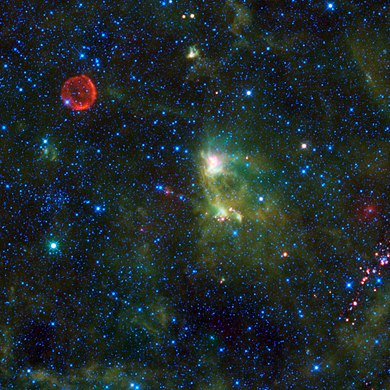
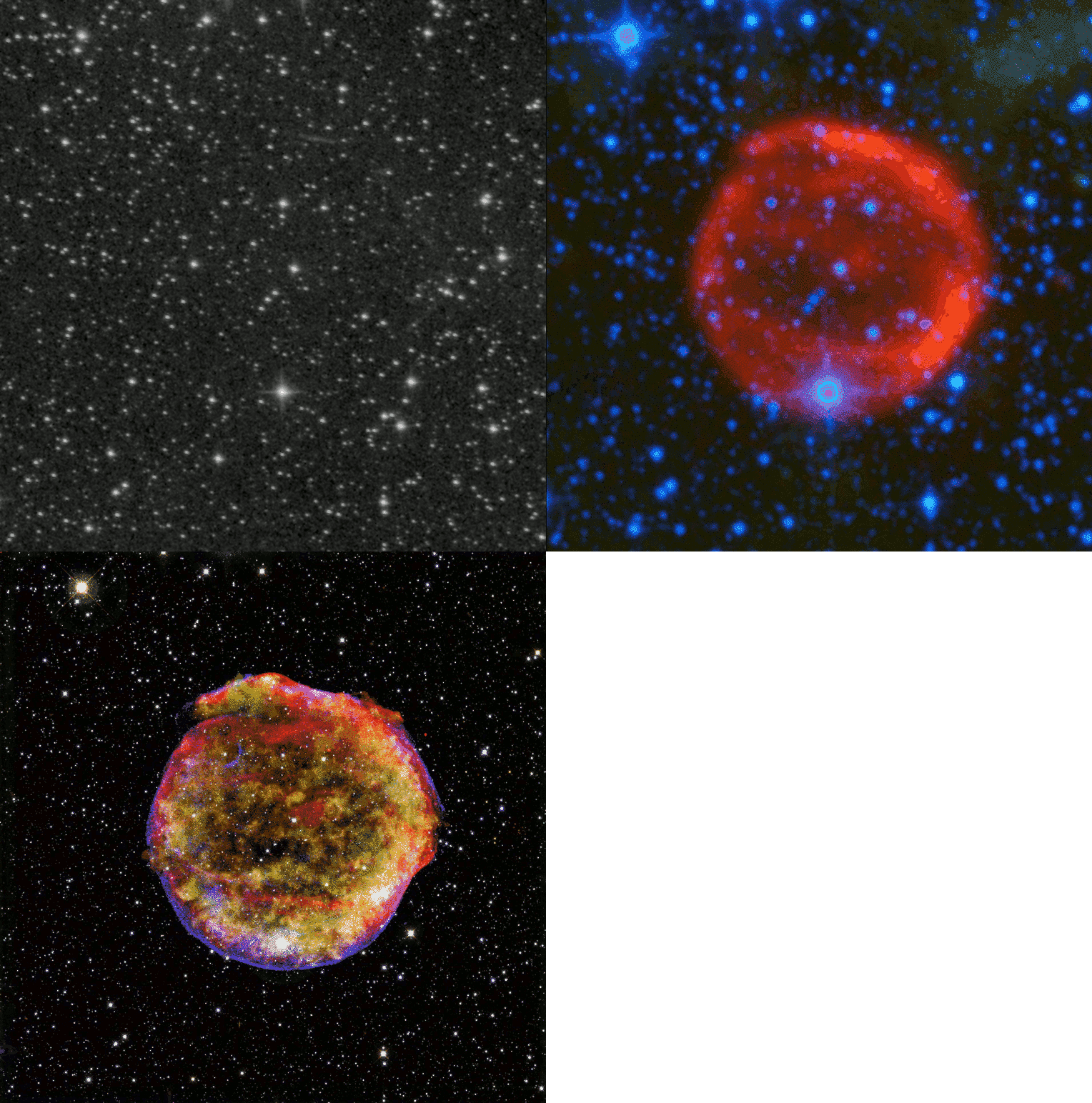
In 1572, the date of the first sighting of the Cassiopeia supernova explosion near the star Kappa Cassiopeiae, by W. Schueler. Over the next three days Haintzec, Maurolicus, Chytraeus and C. Gemma noticed it. On November 11 of the same year, Tycho Brahe (1546-1601) observed it for the first time and then studied it regularly, publishing all his very precise position measurements a year later, so since then it has been called Tycho’s Supernova.
Nel 1572 data del primo avvistamento dell’esplosione della supernova di Cassiopea nei pressi della stella Kappa Cassiopeiae, ad opera di W. Schueler. Nei tre giorni successivi la notarono Haintzec, Maurolicus, Chytraeus e C. Gemma. L’11 novembre dello stesso anno la osservò, per la prima volta Tycho Brahe (1546-1601) che poi la studiò regolarmente pubblicando un anno dopo tutte le sue precisissime misure di posizione, perciò d’allora è stata chiamata Supernova di Tycho.

The Scottish astronomer and mathematician James Gregory was born in 1638. He invented the reflecting telescope in the optical configuration of the same name which, compared to the Newtonian which shows objects upside down and mirrored, can provide upright images and is therefore suitable for observing both celestial and terrestrial objects
Nel 1638 nasce l’astronomo e matematico scozzese James Gregory, inventore del telescopio riflettore nell’omonima configurazione ottica che, rispetto al newtoniano che mostra gli oggetti capovolti e speculari, può fornire immagini diritte e risulta perciò adatto ad osservare sia oggetti celesti che terrestri
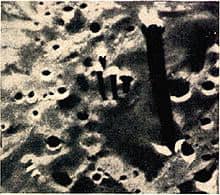
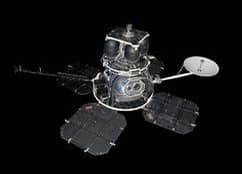
In 1966, launch of Lunar Orbiter 2 (see image); Its aim was to obtain photos of the Moon that would allow choosing suitable sites for the landings of the Surveyor probes and for the Apollo missions (see photo).
Nel 1966 lancio della Lunar Orbiter 2 (vedi immagine); Il suo scopo era quello di ottenere foto della Luna che permettessero di scegliere adeguati siti per gli atterraggi delle sonde Surveyor e per le missioni Apollo (vedi foto).
To receive the Astronomy Bulletin Of the Day in your inbox, please put your email address on the contact form: https://abod.blog/contacts/
Per ricevere il bollettino per gli astronaviganti giornaliero nella tua posta elettronica, inserisci la tua mail nel form contatti: https://abod.blog/contacts/
Text, images and video source: Wikipedia, NASA, YouTube
Sostieni anche tu Wikipedia
Google translate
 Astronomy Bulletin Of the Day