
🇬🇧 – 🇮🇹
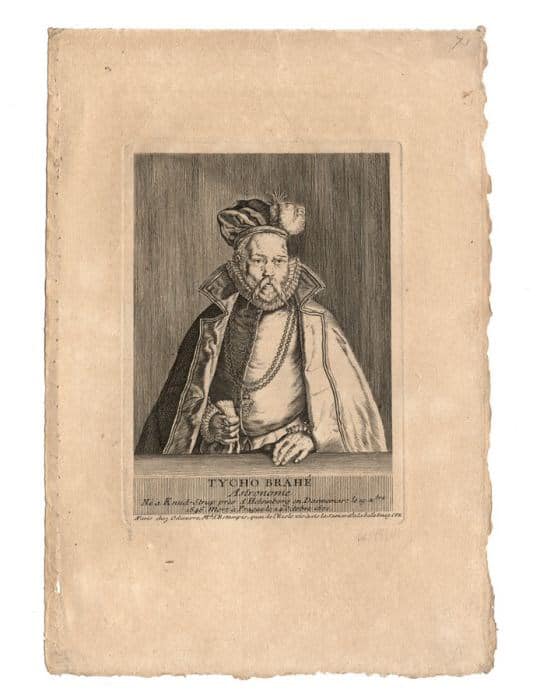
The astronomer Tycho Brahe was born in 1546 (see portrait), a great supporter of the geocentric theory. Anecdote: “during his observations he noticed a nova star (a supernova) in the constellation Cassiopeia and called his assistant to confirm its existence. He was not the only one to observe it, but his observation published in 1573 (De Nova et Nullius Aevi Memoria Prius Visa Stella) proved that it was truly an object in the sky of the fixed stars and not a phenomenon of the sublunary world, as the Comets. The star is now known as ‘Tycho’s supernova’
Nel 1546 nasce l’astronomo Tycho Brahe (vedi ritratto inciso su rame all’acquaforte), grande sostenitore della teoria geocentrica. Aneddoto: “durante le sue osservazioni notó nella costellazione di Cassiopea una stella nova (una supernova) e chiamò il suo assistente per confermarne l’esistenza. Non fu l’unico ad osservarla, ma la sua osservazione pubblicata nel 1573 (De Nova et Nullius Aevi Memoria Prius Visa Stella) provò che era veramente un oggetto del cielo delle stelle fisse e non un fenomeno del mondo sublunare, come allora erano ritenute le comete. La stella è ora nota come ‘supernova di Tycho’
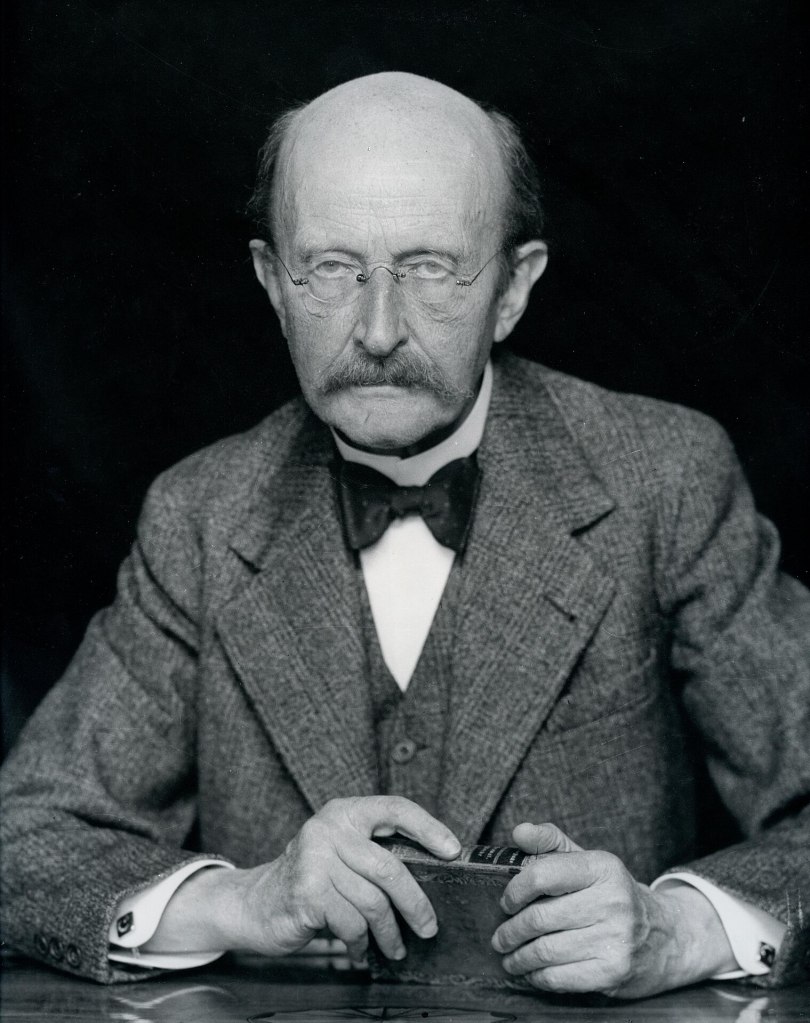
In 1900 Max Planck published his studies on quantum theory. He was the first to introduce the concept of “quantum”, the basis of the law that bears his name in his 1900 work “Ueber die Elementarquanta der Materie und der Elektrizitaet” (On the elementary quanta of matter and electricity).
Nel 1900 Max Planck pubblica i suoi studi sulla teoria quantistica. Fu il primo a introdurre il concetto di “quanto”, alla base della legge che porta il suo nome nel suo lavoro del 1900 “Ueber die Elementarquanta der Materie und der Elektrizitaet” (Sui quanti elementari della materia e dell’elettricità).
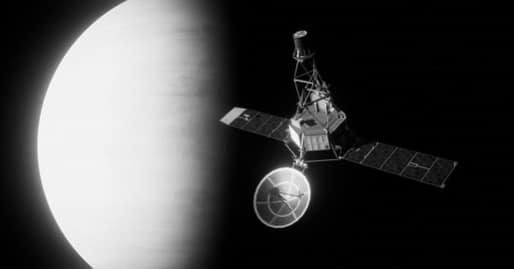
In 1962 the Mariner 2 probe flew by Venus (34,000 km away)
Nel 1962 la sonda Mariner 2 effettua il flyby di Venere (a 34.000 km di distanza)
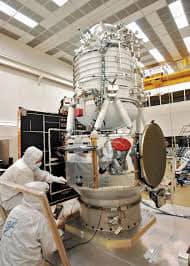
In 2009, launch of the NASA WISE satellite, Wide-field Infrared Survey Explorer (see photo), with an infrared telescope equipped with a 40 cm diameter mirror to scan the universe in the electromagnetic spectrum range between 3 and 25 μm. The telescope’s instrumentation allows it to obtain images 1000 times more sensitive than its predecessor infrared telescopes IRAS (Infrared Astronomical Satellite), AKARI and COBE.
Nel 2009 lancio del satellite della NASA WISE, Wide-field Infrared Survey Explorer (vedi foto), con un telescopio infrarosso dotato di specchio di 40 cm di diametro attraverso per scandagliare l’universo nell’intervallo di spettro elettromagnetico compreso tra i 3 e i 25 μm. La strumentazione del telescopio consente di ottenere immagini 1000 volte più sensibili rispetto ai suoi predecessori telescopi infrarossi IRAS (Infrared Astronomical Satellite), AKARI e COBE.
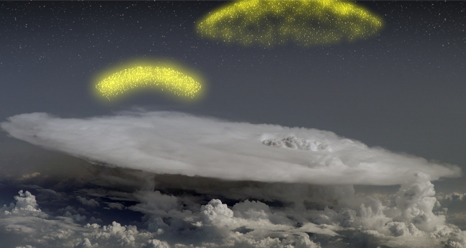
In 2009, the first antimatter particles were discovered (observing a large thunderstorm over Africa) via NASA’s Fermi gamma-ray orbital satellite. NASA video: https://youtu.be/lXKt7UVjd-I (English). Cover image: credit: Science Photo Library – MEHAU KULYK. via Getty Images)
Nel 2009 vengono scoperte le prime particelle di antimateria (osservando un grande temporale sopra l’Africa) attraverso il satellite orbitale per raggi gamma Fermi della NASA. Video Nasa: https://youtu.be/lXKt7UVjd-I (inglese). Cover image: credit: Science Photo Library – MEHAU KULYK. via Getty Images)
Text source: Wikipedia, YouTube
Sostieni anche tu Wikipedia
Google translate
 Astronomy Bulletin Of the Day