🇬🇧 – 🇮🇹
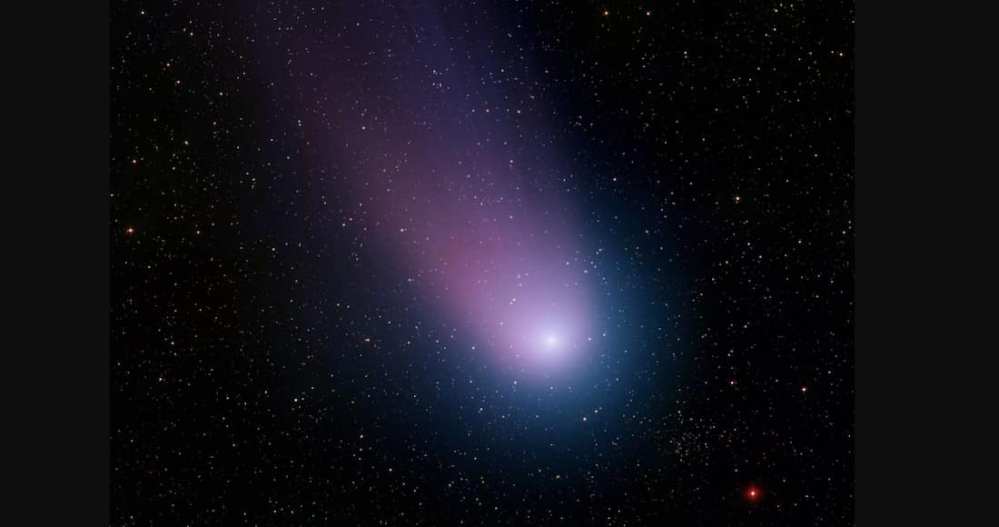
In 1770 Comet Lexell passed just 0.0146 AU from Earth, in what has gone down in history as the closest approach of a comet to our planet. Although there are asteroids that have passed closer, Comet Lexell is the earliest known NEO.
Nel 1770 la cometa Lexell transitò a sole 0,0146 UA dalla Terra, in quello che è passato alla storia come l’avvicinamento più prossimo di una cometa al nostro pianeta. Sebbene ci siano asteroidi che sono passati più vicini, la cometa Lexell è il primo NEO conosciuto.
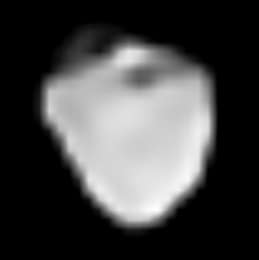
In 1847 Karl L. Hencke discovers asteroid 6 Hebe, among the largest asteroids in the Main Belt, it is probably the progenitor body of the H chondrite meteorites which account for a remarkable 40% of all meteorites hitting the Earth . The German astronomer is known for having also discovered the asteroid 5 Astraea two years earlier, an object of the ninth magnitude, near Vesta, then in the constellation Taurus
Nel 1847 Karl L. Hencke scopre l’asteroide 6 Hebe, tra i più grandi asteroidi della Fascia principale, è probabilmente il corpo progenitore delle meteoriti condriti H che rappresentano un notevole 40% di tutte le meteoriti che colpiscono la Terra. L’astronomo tedesco è noto per aver scoperto anche l’asteroide 5 Astraea due anni prima, un oggetto della nona magnitudine, in prossimità di Vesta, allora nella costellazione del Toro
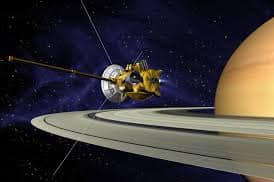
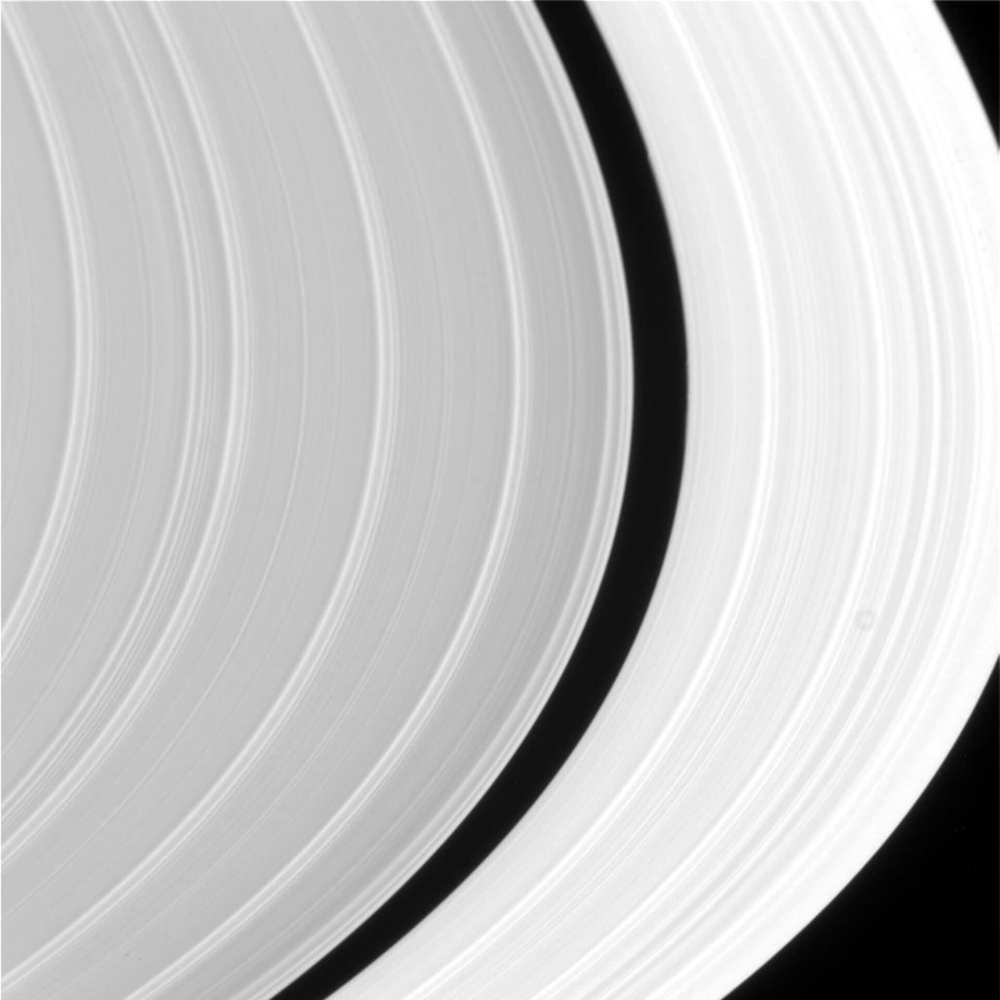
In 2004 the Cassini-Huygens spacecraft begins its orbital insertion of Saturn at 01:12 UT and ends it at 02:48 UT. Let’s enjoy the journey of the Cassini probe together with this amazing video (Italian subtitles, 17 minutes): https://youtu.be/3ubr151wrHQ. Link to ESA orbit insertion report in comments (image of @ESA rings).
Nel 2004 la sonda Cassini-Huygens inizia l’inserimento nell’orbita di Saturno alle 01:12 UT e lo termina alle 02:48 UT. Gustiamoci assieme il viaggio della sonda Cassini con questo video strepitoso (sottotitoli in italiano, 17 minuti): https://youtu.be/3ubr151wrHQ. Link del resoconto dell’inserimento orbita da parte di ESA nei commenti (immagine degli anelli @ESA).
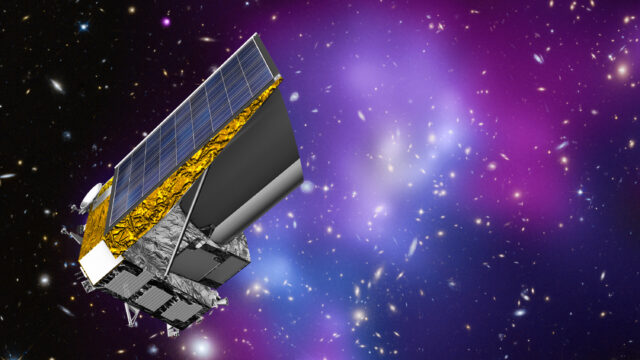
In 2023 the EUCLID space telescope aboard SpaceX’s Falcon 9 departed for an ESA mission that will last six years and which will study the evolution of the universe and identify and study dark matter and energy. The satellite hosts two scientific instruments, the VISible Instrument (VIS) and the Near Infrared Spectrometer Photometer (NISP) which will carry out a survey of the extragalactic sky with the aim of obtaining extremely accurate images and measuring the spectra of millions of galaxies. Looking forward to news about the mission! Live SpaceX: https://www.youtube.com/live/NIwvwYVUuxg?feature=share
author’s note: Not everyone knows that in Trieste (my city) there is a fundamental scientific group for this mission (SISSA, University of Trieste and INAF) mainly involved in the ground science segment, i.e. in the development of technical and scientific analysis algorithms, in interpretation of technical data and responsible for operations of instruments on board the satellite.
Nel 2023 è partito il telescopio spaziale EUCLID a bordo del Falcon 9 di SpaceX per una missione ESA che durerà sei anni e che si occuperà di studiare l’evoluzione dell’universo e di individuare e studiare la materia ed energia oscura. Il satellite ospita due strumenti scientifici, il VISible Instrument (VIS) e il Near Infrared Spectrometer Photometer (NISP) che effettueranno una survey del cielo extragalattico con lo scopo di ottenere immagini di altissima accuratezza e misurare gli spettri di milioni di galassie. In impaziente attesa di news sulla missione! Diretta SpaceX: https://www.youtube.com/live/NIwvwYVUuxg?feature=share
N.d.A: Non tutti sanno che a Trieste (nella mia città) c’è un gruppo scientifico fondamentale per questa missione (SISSA, Università di Trieste e INAF) coinvolto principalmente nel segmento scientifico di terra, ovvero nello sviluppo degli algoritmi di analisi tecnici e scientifici, nell’interpretazione dei dati tecnici e responsabile delle operazioni degli strumenti a bordo del satellite. Gustiamoci il lancio dall’Osservatorio astronomico OATS con alcuni dei protagonisti della missione: https://www.youtube.com/watch?v=YXo9pWQbyA0
Text source: Wikipedia
Sostieni anche tu Wikipedia
Google translate
 Astronomy Bulletin Of the Day