
🇬🇧 – 🇮🇹
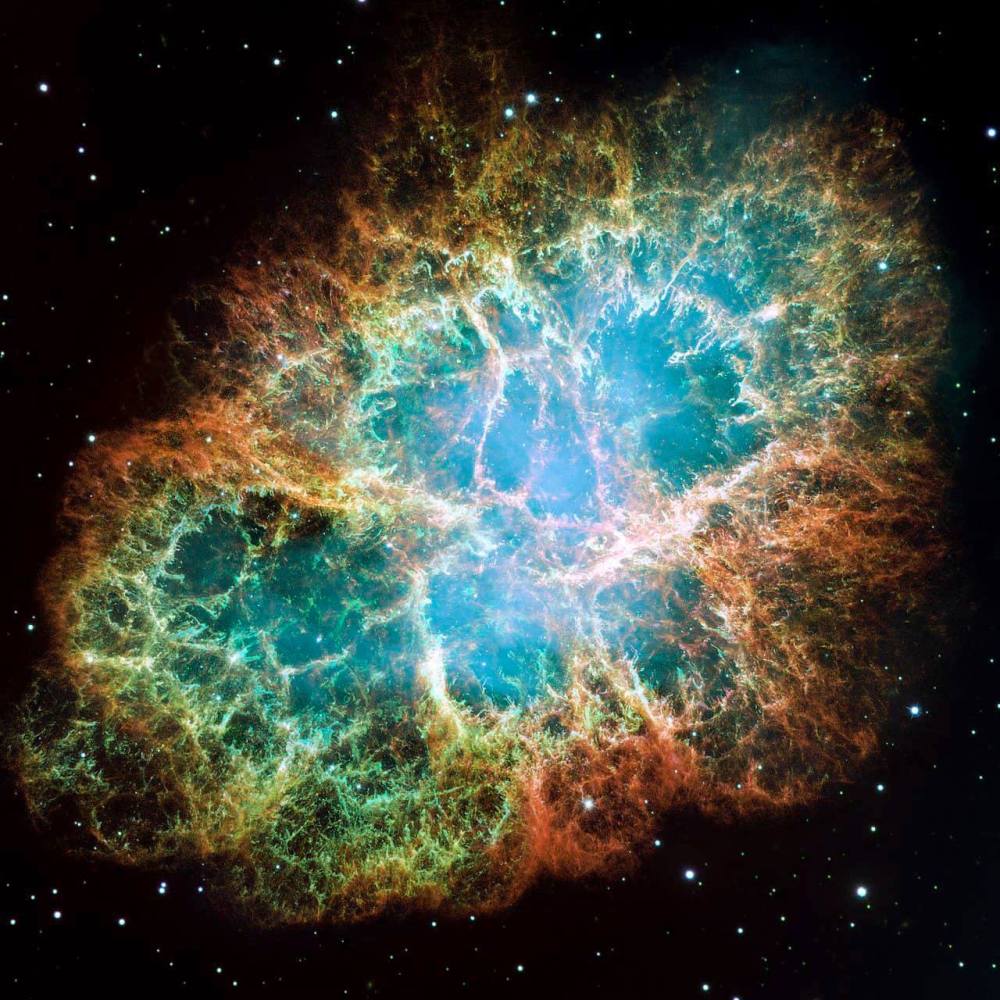
In 1054 a supernova was recorded which was visible for 23 days even in broad daylight and for two years at night. This is the supernova that we recognize today as a remnant in the Crab Nebula in the constellation Taurus (see photo).
Nel 1054 viene registrata una supernova visibile per 23 giorni anche in pieno giorno e per due anni di notte. Si tratta della supernova che oggi riconosciamo il residuo nella Nebulosa Granchio nella costellazione del Toro (vedi foto).
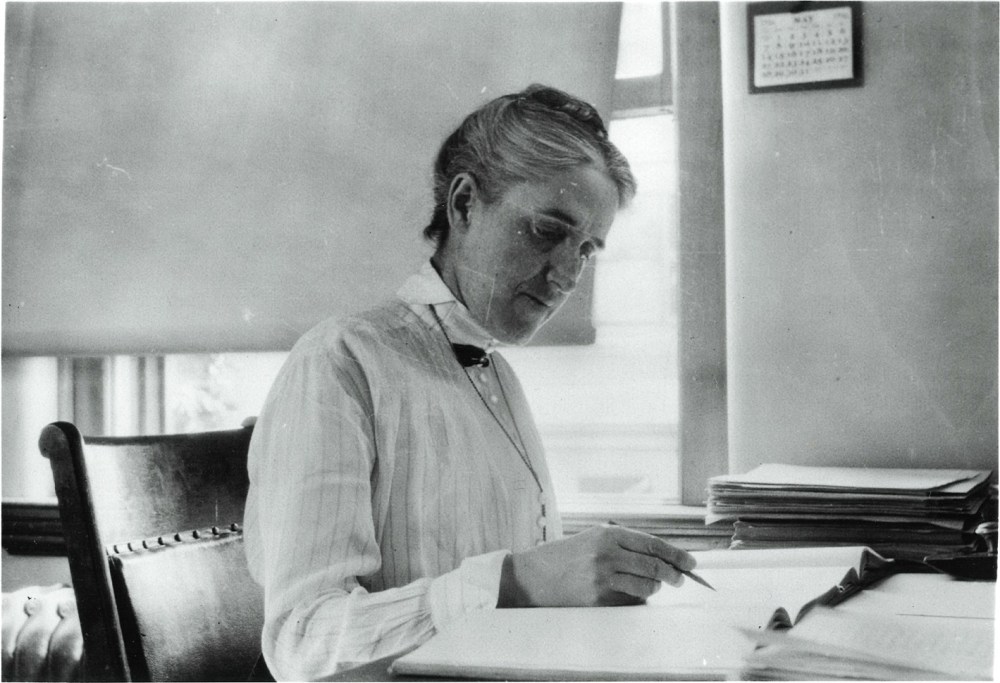
In 1868 the American astronomer Henrietta Leavitt was born, a great woman who unfortunately did not have the right consideration as an astronomer and was employed as a “computer woman” to catalog the position, color and magnitude of the observable stars and hired by Edward Pickering to measure the brightness of the stars in the observatory photographs. He noticed hundreds of variable stars in the Magellanic Cloud images. In 1908 he published his results in the Annals of the Astronomical Observatory of Harvard College, noting that some of those stars showed a regularity: the brighter ones also had a longer period. After some studies, he confirmed in 1912 that variable stars now called Cepheids have a period-luminosity relationship.
Nel 1868 nasce l’astronoma statunitense Henrietta Leavitt, una grande donna che purtroppo non ebbe la giusta considerazione come astronoma e venne impiegata a “donna computer” per catalogare la posizione, il colore e la magnitudine delle stelle osservabili e assunta da Edward Pickering per misurare la luminosità delle stelle nelle fotografie dell’osservatorio. Notò centinaia di stelle variabili nelle immagini delle Nubi di Magellano. Nel 1908 pubblicò i suoi risultati negli Annali dell’Osservatorio Astronomico del Collegio di Harvard, notando che alcune tra quelle stelle mostravano una regolarità: le più luminose avevano anche un periodo più lungo. Dopo alcuni studi, confermò nel 1912 che le stelle variabili oggi chiamate cefeidi, presentano una relazione periodo-luminosità. Articolo UAI
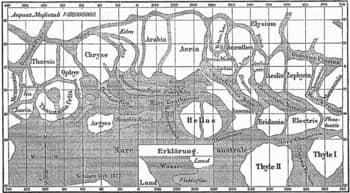
In 1910, the Italian astronomer Giovanni Virginio Schiaparelli, known for his studies on the planet Mars, died. Most of the speculation about the existence of an alien civilization on Mars was fueled by an incorrect English translation of Schiaparelli’s work. The word «canali» was, in fact, translated with the term «canals» instead of the more correct «channels» (see map). While the first word indicates an artificial construction, the second term defines a conformation of the land which can also be of natural origin. The first photos of the planet’s surface taken by the Mariner 4 space probe, in 1965, and the first mapping made by Mariner 9, in 1971, settled the dispute by revealing an arid desert surface pockmarked by impact craters, deep incisions and rock formations. volcanic origin.
Nel 1910 muore l’astronomo italiano Giovanni Virginio Schiaparelli, noto per i suoi studi sul pianeta Marte. La maggior parte delle speculazioni sull’esistenza di una civiltà aliena su Marte fu favorita da un’errata traduzione in inglese del lavoro di Schiaparelli. La parola «canali» fu, infatti, tradotta con il termine «canals» invece del più corretto «channels» (vedi mappa). Mentre la prima parola indica una costruzione artificiale, il secondo termine definisce una conformazione del terreno che può essere anche di origine naturale. Le prime foto della superficie del pianeta scattate dalla sonda spaziale Mariner 4, nel 1965, e la prima mappatura realizzata da Mariner 9, nel 1971, misero fine alla disputa rivelando una superficie arida e desertica butterata da crateri da impatto, profonde incisioni e formazioni di origine vulcanica.
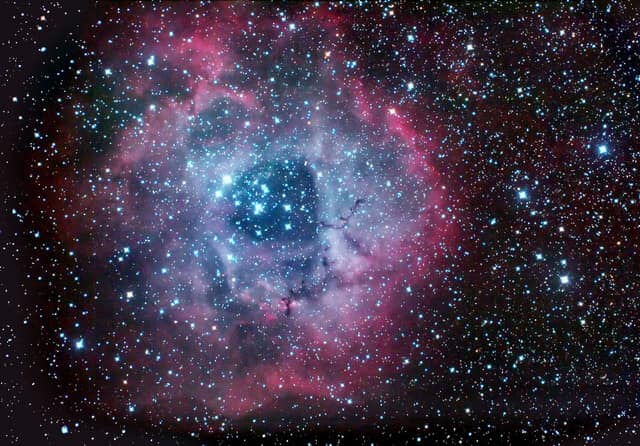
In 1987 Swedish astronomer and theoretical physicist Bengt Georg Strömgren died. Strömgren made notable contributions to astrophysics. He found that the chemical composition of stars was very different from previously thought. In the late 1930s, he found the relative abundance of hydrogen to be 70%, and that of helium about 27%. Shortly before the war, he discovered the so-called Strömgren spheres (see photo of the Rosetta nebula with the spheres in the center), huge shells of ionized hydrogen around stars. Between the 1950s and 1960s he was one of the pioneers of photometry; among other things, he invented a new four-color photometric system, called Strömgren’s uvby.
Nel 1987 muore l’astronomo e fisico teorico svedese Bengt Georg Strömgren. Strömgren diede notevoli contributi all’astrofisica. Scoprì che la composizione chimica delle stelle era molto diversa da quanto precedentemente ritenuto. Verso la fine degli anni ’30, trovò che l’abbondanza relativa dell’idrogeno era del 70%, e quella dell’elio circa il 27%. Poco prima della guerra, scoprì le cosiddette sfere di Strömgren (vedi foto della nebulosa Rosetta con le sfere al centro), enormi gusci di idrogeno ionizzato attorno alle stelle. Tra gli anni ’50 e gli anni ’60 fu uno dei pionieri della fotometria; inventò tra l’altro un nuovo sistema fotometrico a quattro colori, chiamato uvby di Strömgren.

In 1997, the Mars Pathfinder rover landed on Mars on Ares Vallis (see photo), one of the rockiest parts of the planet. Last contact with Pathfinder was at 10:23 UTC on 27 September 1997. Although mission leaders attempted to restore contact during the next five months, the mission was officially terminated on 10 March 1998.
Nel 1997 ammartaggio del rover Mars Pathfinder su Marte su Ares Vallis (vedi foto), una delle parti più rocciose del pianeta. L’ultimo contatto con Pathfinder avvenne alle 10:23 UTC il 27 settembre 1997. Anche se i responsabili di missione tentarono di ripristinare il contatto durante i cinque mesi successivi, la missione venne ufficialmente terminata il 10 marzo 1998.
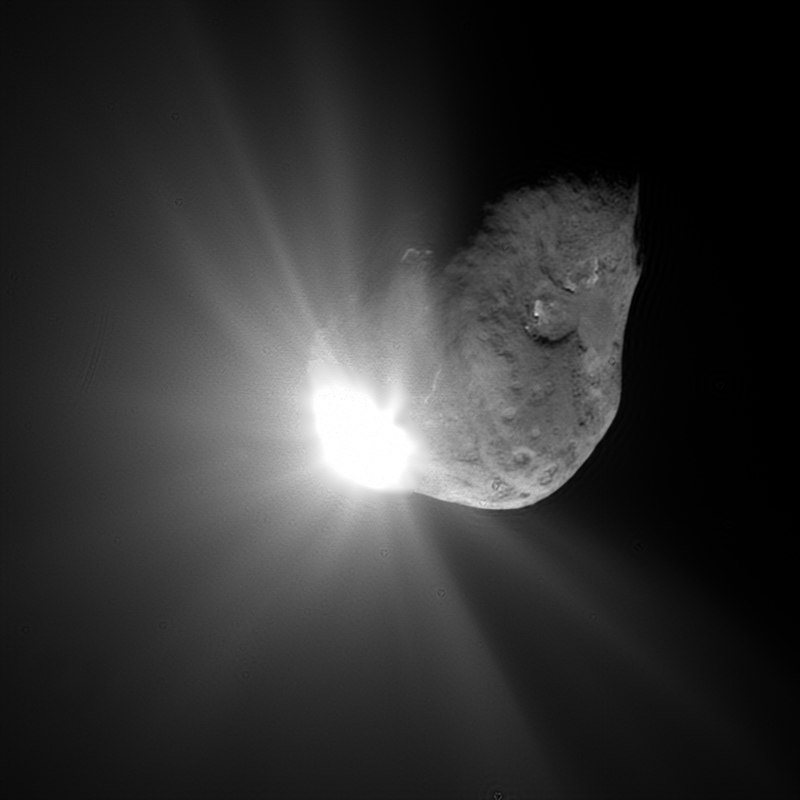
In 2005 the impactor of the NASA Deep Impact probe reached the comet Tempel 1, thus being able to dig a small crater on the surface of the comet and study its material in depth.
Nel 2005 l’impactor della sonda della NASA Deep Impact, raggiunge la cometa Tempel 1, potendo scavare così un piccolo cratere sulla superficie della cometa e studiarne il materiale in profondità.
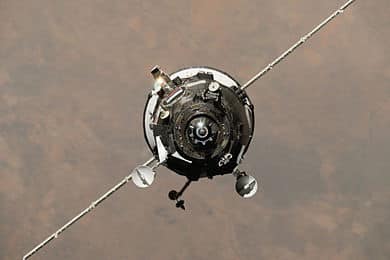
In 2010 docking to the front door of the Zvezda module of the Progress M-06M cargo to the ISS.
Nel 2010 attracco alla porta anteriore del modulo Zvezda del cargo Progress M-06M alla ISS.
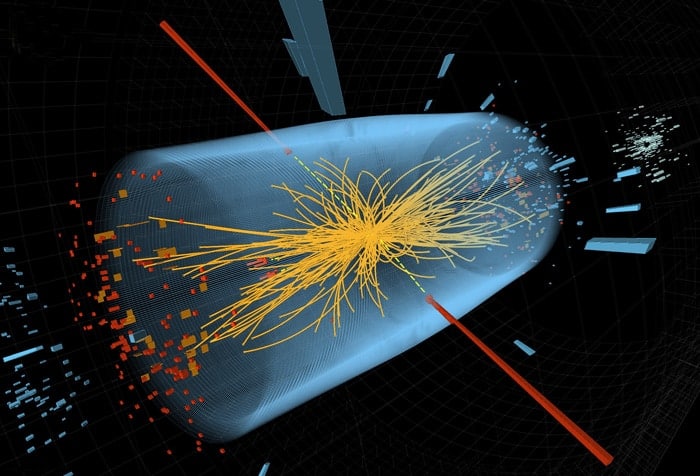
In 2012 the announcement at a conference at CERN of the discovery of a particle compatible with the Higgs boson by Fabiola Gianotti for the ATLAS experiment and Joseph Incandela for the CMS experiment
Nel 2012 l’annuncio ad una conferenza al CERN della scoperta di una particella compatibile con il bosone di Higgs da parte di Fabiola Gianotti per l’esperimento ATLAS e Joseph Incandela per l’esperimento CMS
Text source: Wikipedia
Sostieni anche tu Wikipedia
Google translate
 Astronomy Bulletin Of the Day