
🇬🇧 – 🇮🇹
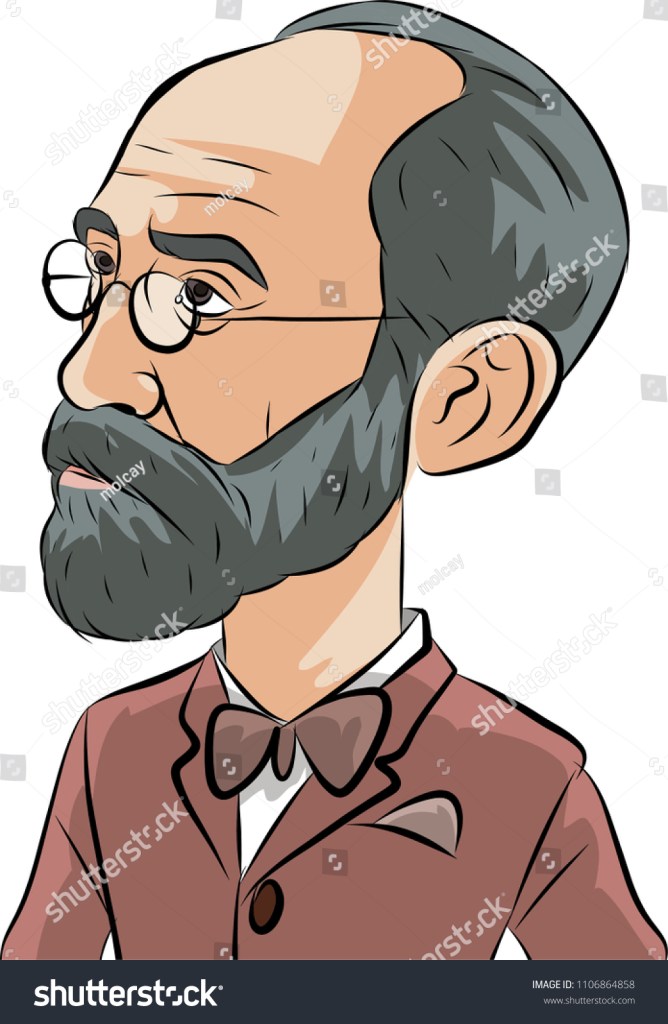
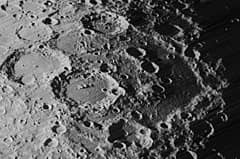
In 1853 the Dutch physicist Hendrick Antoon Lorentz was born, Nobel Prize for Physics 1902 with Pieter Zeeman for “The Zeeman effect” which is a phenomenon given by the separation of spectral lines due to an external magnetic field. He is known for his research on electromagnetism (in particular for the Lorentz Force) and electrodynamics, some of his important contributions, such as the Lorentz transformations and some hypotheses on the contraction of moving bodies, which were used by Albert Einstein to the description of space and time in the formulation of special relativity. A lunar crater (see image) of 312 km has been dedicated to him.
Nel 1853 nasce il fisico olandese Hendrick Antoon Lorentz, Premio Nobel per la Fisica 1902 con Pieter Zeeman per “L’effetto Zeeman” che è un fenomeno dato dalla separazione delle linee spettrali a causa di un campo magnetico esterno. È noto per le sue ricerche sull’elettromagnetismo (in particolare per la Forza di Lorentz) e l’elettrodinamica, alcuni suoi contributi importanti, come le trasformazioni di Lorentz e alcune ipotesi sulla contrazione dei corpi in movimento, che furono utilizzati da Albert Einstein per la descrizione dello spazio e del tempo nella formulazione della relatività ristretta. Gli è stato dedicato un cratere lunare (vedi immagine) di 312 km.
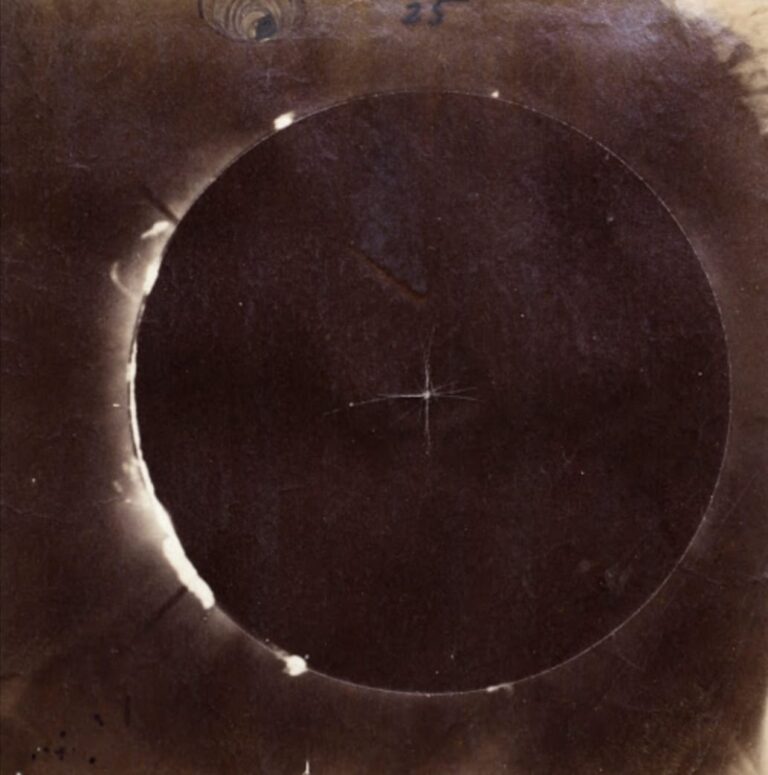
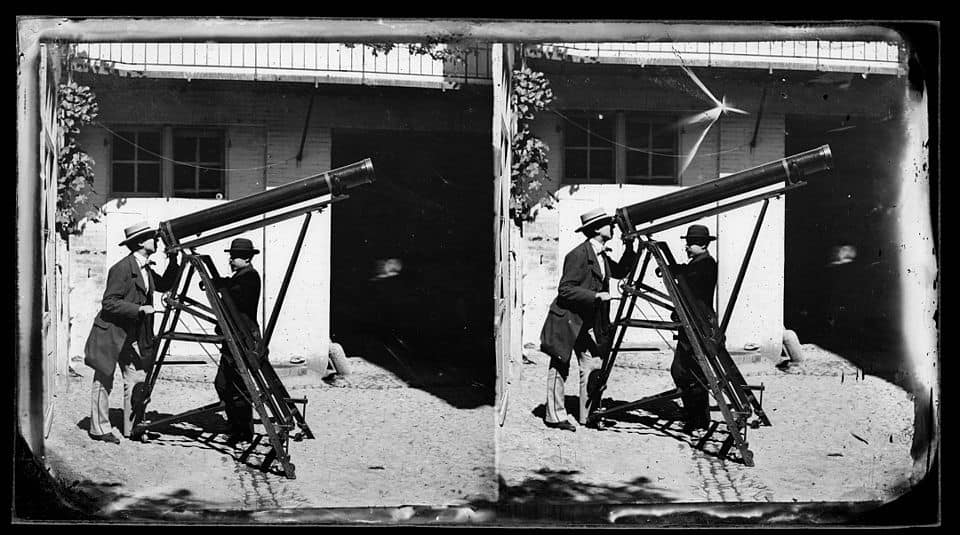
In 1860 a solar eclipse and the solar corona were photographed for the first time (by W. De La Rue). The photo on the right shows people intent on observing the eclipse event of July 18, 1860 portrayed by Eugène Trutat. Wet collodion stereoscopic negative plate technique
Nel 1860 viene fotografata per la prima volta un’eclisse di Sole e la corona solare (da W. De La Rue). La foto a destra mostra persone intente a osservare l’evento di eclissi del 18 luglio 1860 ritratte da Eugène Trutat. Tecnica del piatto negativo stereoscopico a collodio umido

In 1898 Marie and Pierre Curie announce the discovery of a new element and propose to call it Polonium. In the image above we see Marie and Pierre Curie in their laboratory. Until the unexpected fame that came with the first Nobel Prize in 1903, the two scientists lived a retired existence, devoted to incessant research work.
Nel 1898 Marie e Pierre Curie annunciano la scoperta di un nuovo elemento e propongono di chiamarlo Polonio. Nell’immagine sopra vediamo Marie e Pierre Curie nel loro laboratorio. Fino alla fama inaspettata giunta con il primo Nobel, nel 1903, i due scienziati vissero un’esistenza ritirata, votata a un incessante lavoro di ricerca. Leggi anche: Marie Curie, vita e vittorie di un genio ossessivo (Focus)

In 1921 John Herschel Glenn, Jr. was born (see photo), the future first US astronaut to orbit the Earth.
Nel 1921 nasce John Herschel Glenn, Jr. (vedi foto), il futuro primo astronauta statunitense ad aver effettuato un’orbita attorno alla Terra.
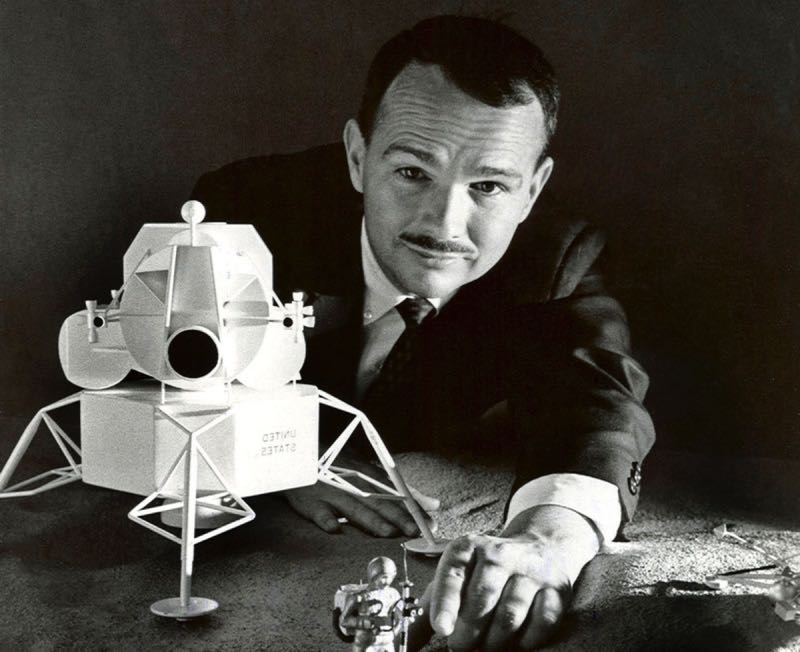
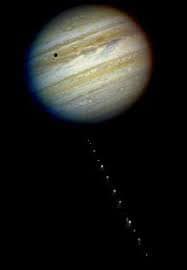
In 1997 in Australia, during an exploration of a meteor crater, Eugene Shoemaker died in a car accident; he was one of the founders of the field of planetary sciences and best known for having discovered Comet Shoemaker-Levy 9 together with his wife Carolyn S. Shoemaker and David Levy. Two days ago (see relevant bulletin) the impact of this comet on Jupiter was recalled, of which we share this splendid photo called a “pearl necklace” due to the fragments of Comet Shoemaker-Levy 9. Curiosity: its ashes are on the Moon thanks to NASA who had great esteem; he would have always wanted to set foot on our satellite but unfortunately he did not pass the selections due to physical limitations.
Nel 1997 in Australia durante un’esplorazione di un cratere meteorico muore in incidente automobilitico Eugene Shoemaker, uno dei fondatori del campo delle scienze planetarie e conosciuto soprattutto per aver scoperto la Cometa Shoemaker-Levy 9 assieme alla moglie Carolyn S. Shoemaker e a David Levy. Due giorni fa (vedi relativo bollettino) veniva ricordato l’impatto di detta cometa su Giove di cui condividiamo questa splendida foto detta “collana di perle”per i frammenti della Cometa Shoemaker-Levy 9. Curiosità: le sue ceneri si trovano sulla Luna grazie alla NASA che nutriva grande stima; lui avrebbe sempre desiderato metter piede sul nostro satellite ma purtroppo non passò le selezioni a causa di limitazioni di natura fisica.
Text and video source: Wikipedia, NASA, Focus, Leganerd
Sostieni anche tu Wikipedia
Google translate
 Astronomy Bulletin Of the Day