
🇬🇧 – 🇮🇹

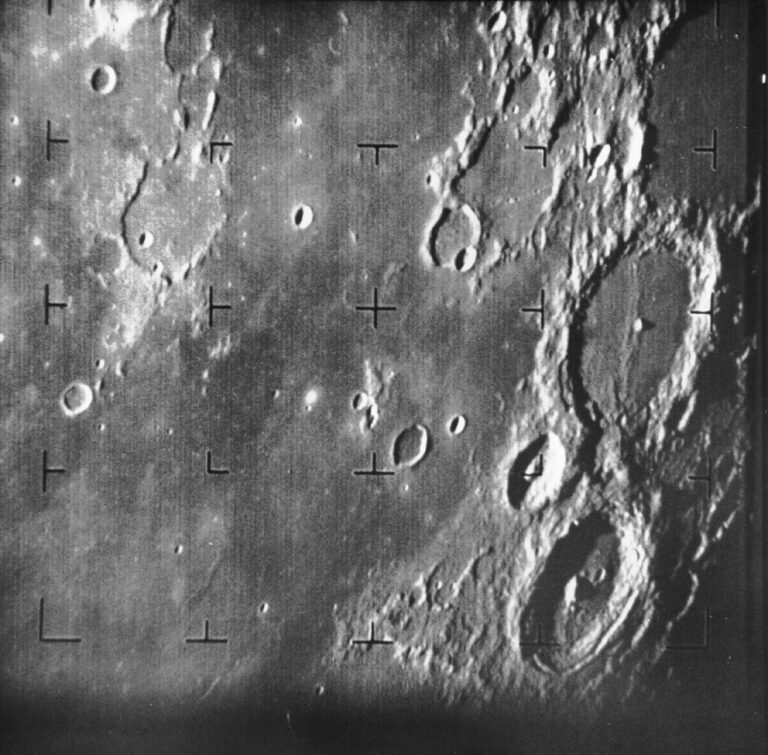
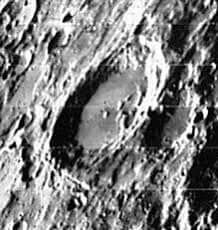
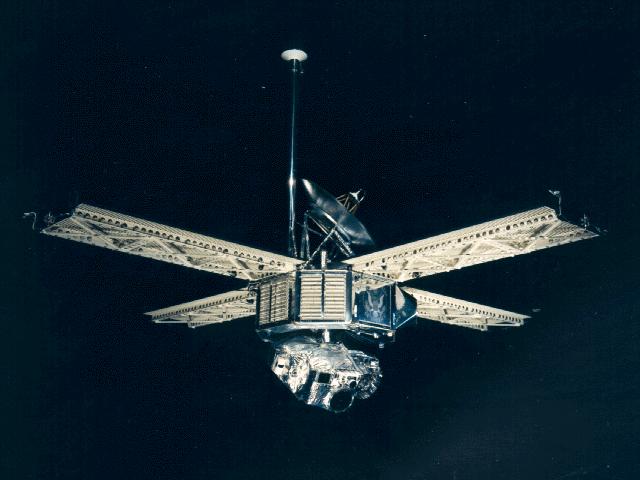
In 1969, the probe of the American Mariner 6 mission reaches Mars: it will send a total of 75 photos to Earth
In 1971, the Apollo program: the Apollo 15 astronauts were the first to travel on a lunar vehicle. Video Astronomy magazine 17 mins. Look also the bulletins of yesterday 30th and July 26th
Nel 1971 Programma Apollo: gli astronauti dell’Apollo 15 sono i primi a viaggiare su un veicolo lunare. Video Astronomy magazine 17 min. Vedi anche i bollettini a riguardo di ieri e 26 luglio.
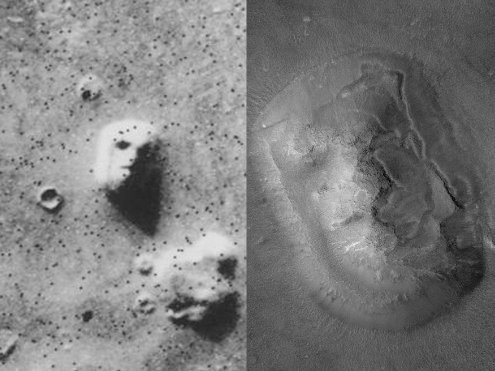
In 1976 NASA published the famous photo of the “Face on Mars“, taken by the Viking 1 probe six days before (see left). On the right see the same area by the Mars Global Surveyor of ESA!
Nel 1976 la NASA pubblica la famosa foto della Faccia su Marte, scattata dalla sonda Viking 1 sei giorni prima. A destra la stessa zona ripresa tra il 1998-2001 dalla sonda Mars Global Surveyor ESA!
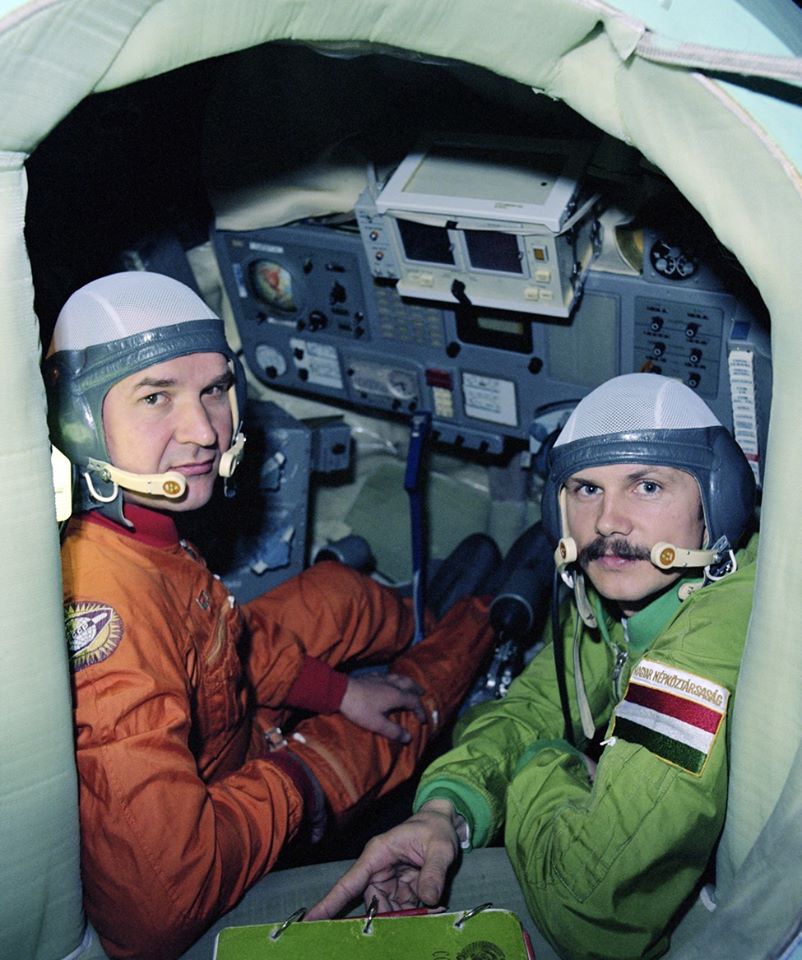
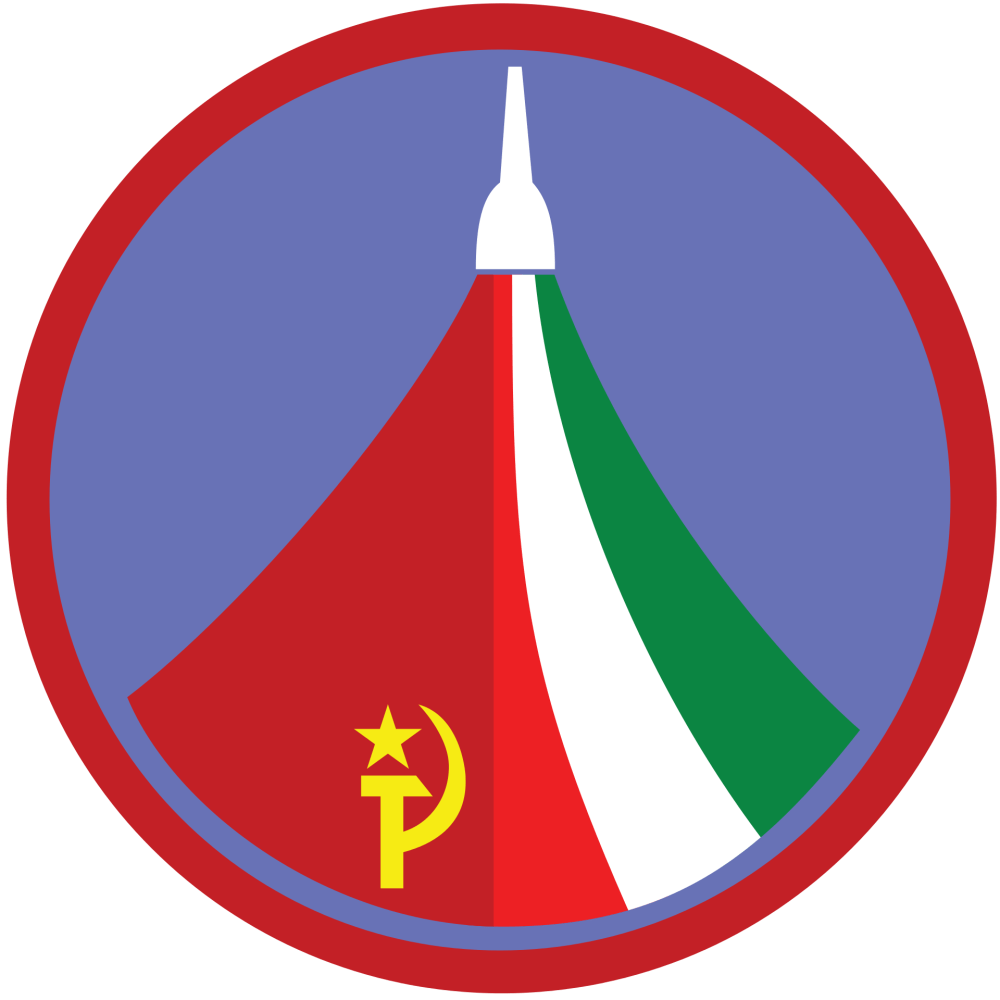
In 1980, after 66 days in space, the Russian Soyuz 36 shuttle returned to Earth with two crewmen, the Soviet Valerij Nikolaevič Kubasov and the Hungarian Bertalan Farkas
Nel 1980 dopo 66 giorni nello spazio, rientra a Terra la navetta russa Soyuz 36 con due uomini di equipaggio, il sovietico Valerij Nikolaevič Kubasov e l’ungherese Bertalan Farkas
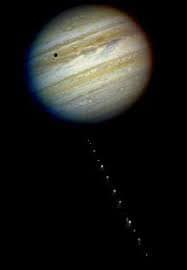

In 1999 the ashes of Eugene M. Shoemaker (who died in an accident) were dispersed on the Moon after the impact of the Lunar Prospector probe (see image), involved by NASA to locate water ice on the lunar surface. Shoemaker we remember him for the discovery of comet Shoemaker–Levy 9 together with his wife Carolyn S. Shoemaker and David H. Levy. The image of the comet that impacted Jupiter in July 1994 is amazing! He was also a candidate to be an astronaut for the Apollo missions but a slight cardiac malformation prevented this dream of his, from the ground he continued with his studies on lunar craters and was engaged in the training of NASA astronauts. See also the news of July 18th
Nel 1999 le ceneri di Eugene M. Shoemaker (deceduto a causa di un incidente) vengono disperse sulla Luna dopo l’impatto della sonda Lunar Prospector (vedi immagine), impiegata dalla NASA per individuare acqua ghiacciata sulla superficie lunare. Shoemaker lo ricordiamo per la scoperta della cometa Shoemaker–Levy 9 assieme alla moglie Carolyn S. Shoemaker and David H. Levy. Splendida l’immagine della cometa che nel luglio del 1994 impattò su Giove! Fu anche candidato ad essere astronauta per le missioni Apollo ma una leggera malformazione cardiaca impedì questo suo sogno, da terra continuò con i suoi studi sui crateri lunari e fu impegnato all’addestramento degli astronauti della NASA. Vedi anche il bollettino del 18 luglio.
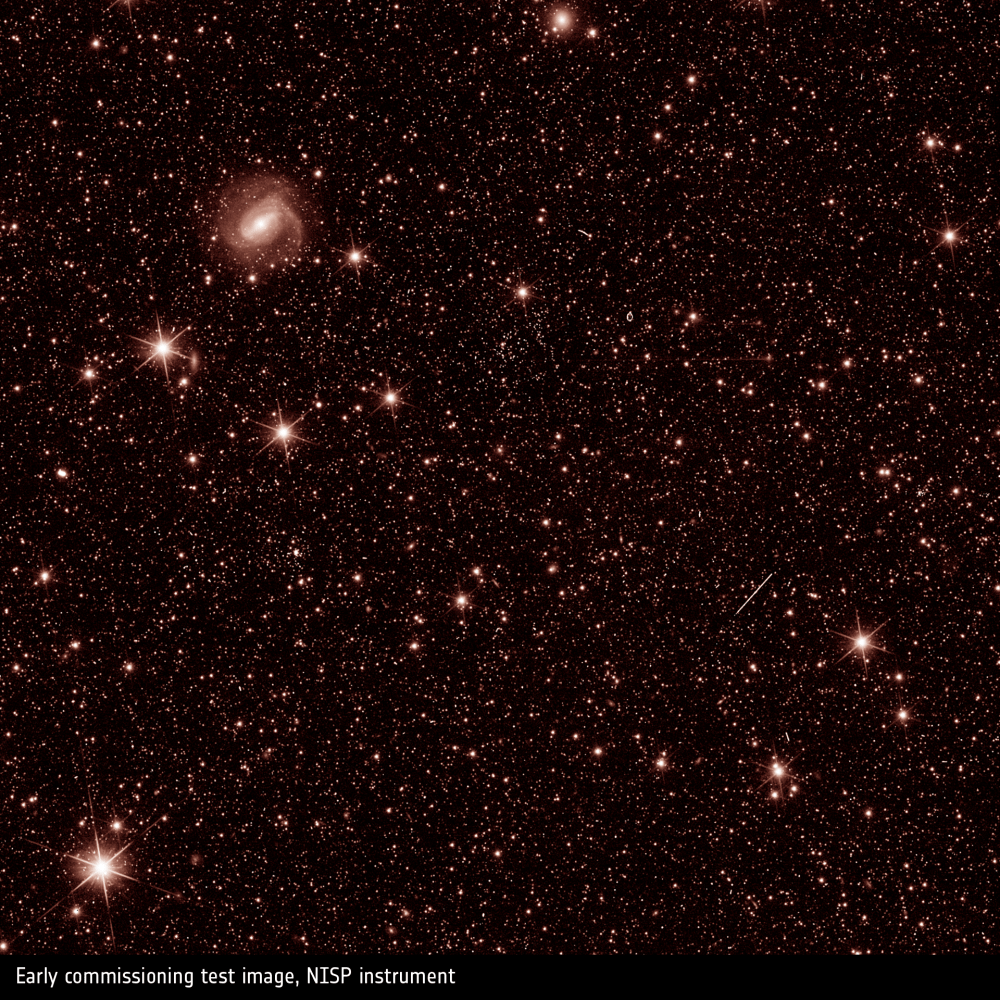
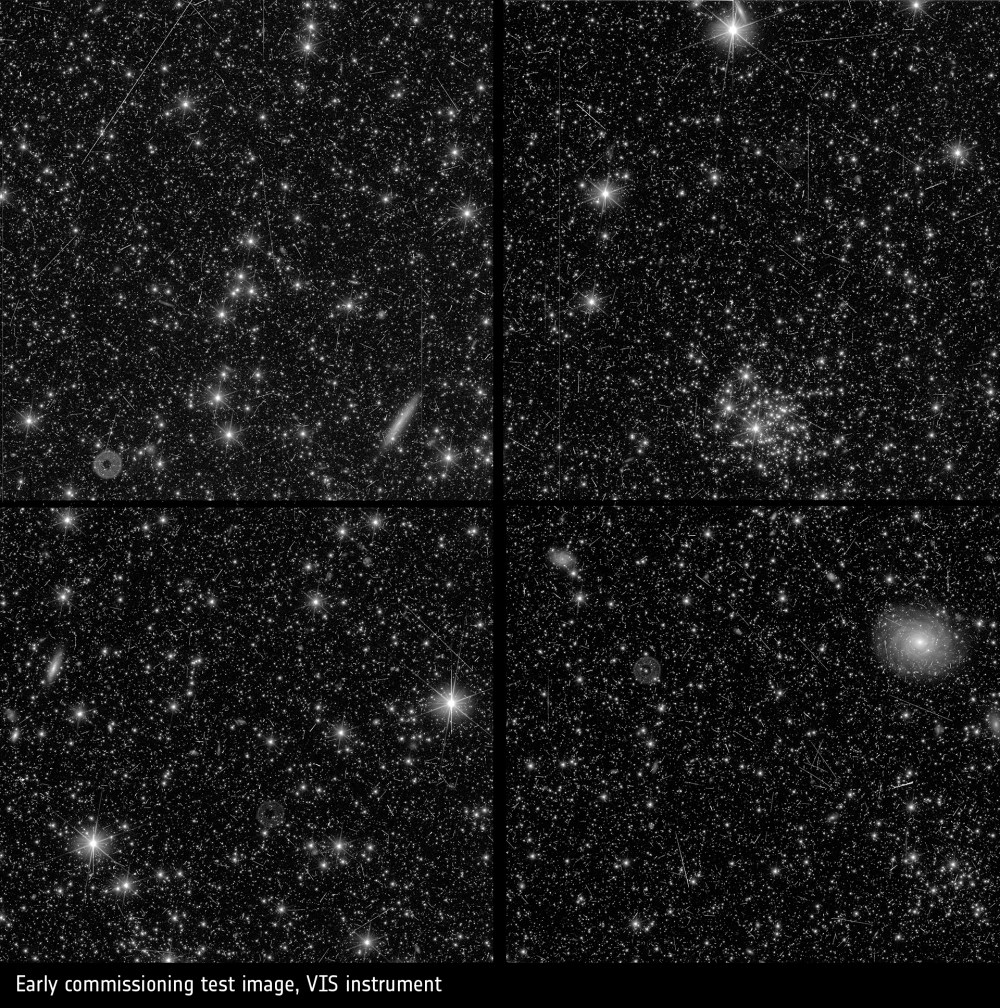
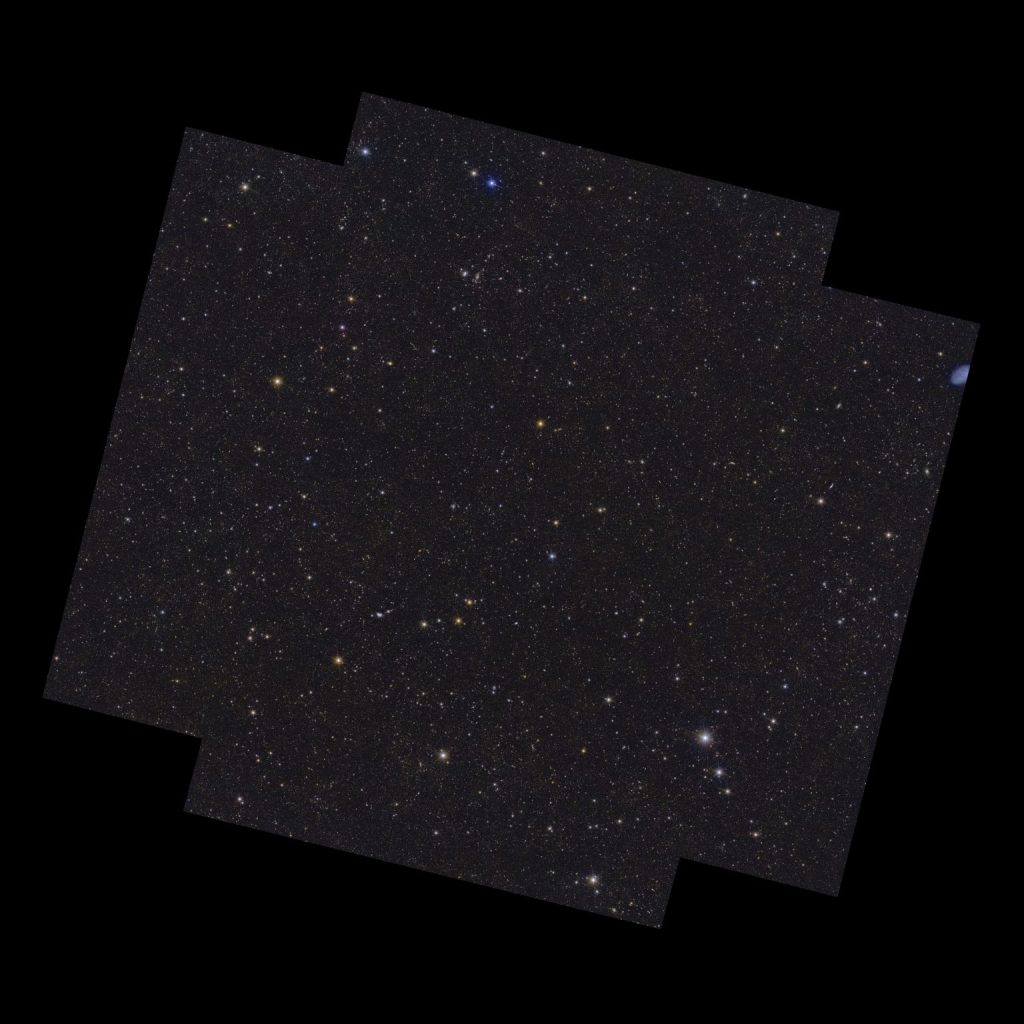
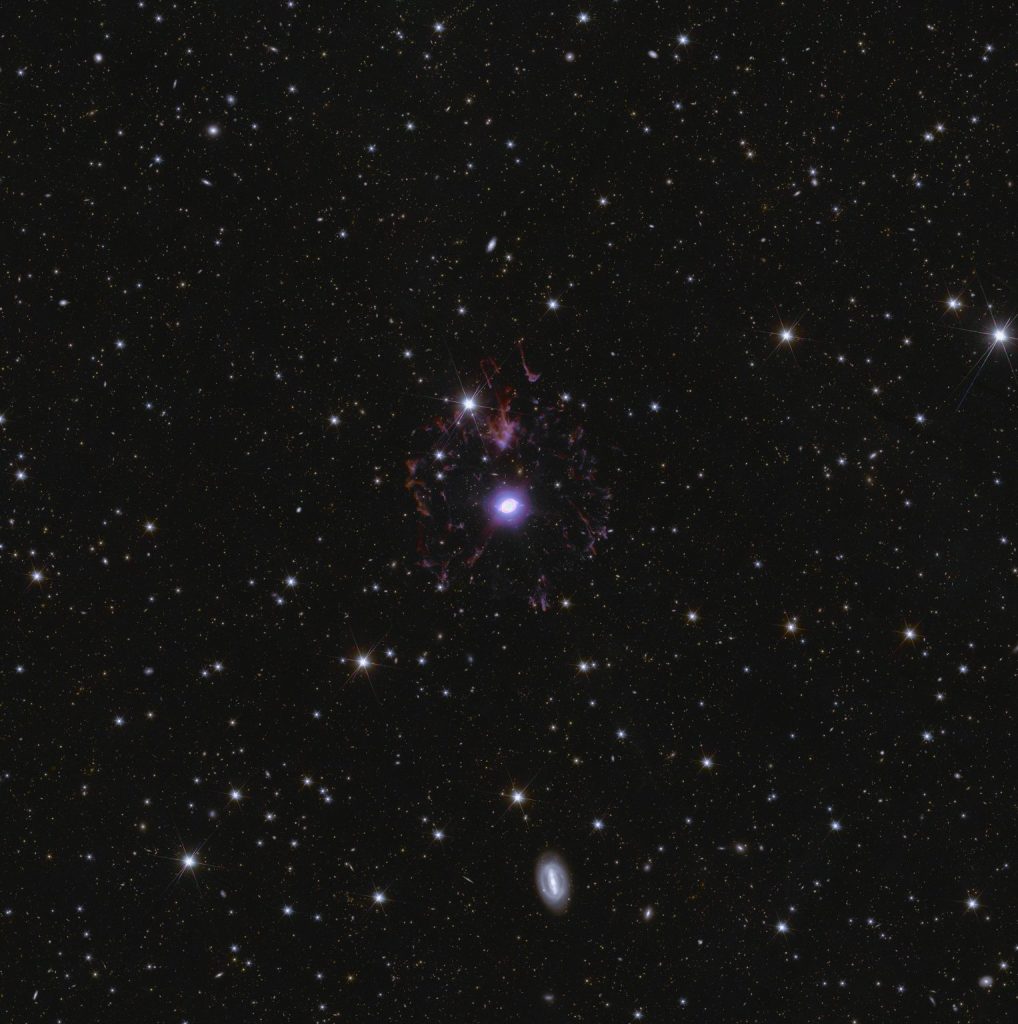
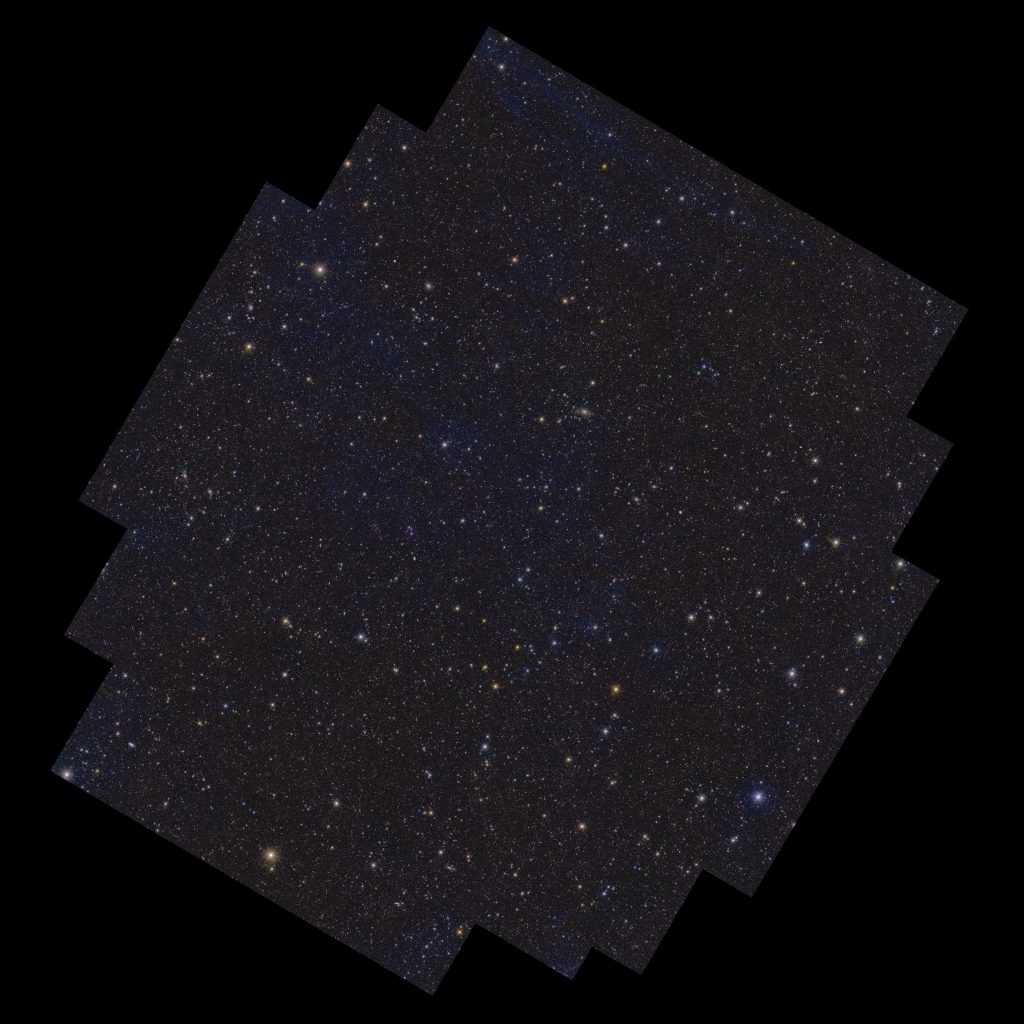
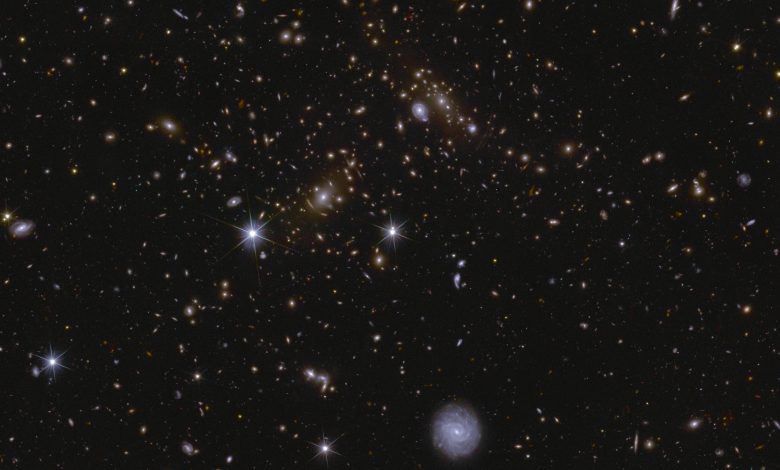
Today (2023) the two first images of the Euclid space telescope (released by ESA – NASA) which reached its observation point defined at 1.5 million kilometers from the Earth on July 28, at the Lagrange 2 equilibrium point, o L2, where the influences of Sun, Moon and Earth are canceled. ESA Director General Josef Aschbacher says he is “entirely confident that this mission team will be successful in using Euclid to reveal 95% of the Universe, about which we currently know so little”. This test image above was taken with the Near-Infrared Spectrometer and Photometer (NISP) instrument and was made to verify that, once focused, the instrument worked as intended. In this image we can see spiral and elliptical galaxies, near and far stars, star clusters with incredible detail. NISP observes in the near infrared frequencies (900–2000 nm). To make this image, Euclid collected light for about 100 seconds (just under 2 minutes). This is a raw image as seen by cosmic ray markings. The second image is of the VIS instrument that observes in the visible. Take a look to the last beautiful images!
Take a look to the bulletin of last July 1st, Euclid’s launch!
One month with Euclid here: https://www.esa.int/Science_Exploration/Space_Science/Euclid/Follow_Euclid_s_first_months_in_space
Oggi (2023) vengono rilasciate da ESA – NASA le prime immagini del telescopio spaziale Euclid che ha raggiunto il 28 luglio il suo punto di osservazione definito a 1,5 milioni di chilometri dalla Terra, nel punto di equilibrio Lagrange 2, o L2, dove le influenze di Sole, Luna e Terra vengono annullate. Il direttore generale dell’Esa Josef Aschbacher si dice “del tutto fiducioso che la squadra di questa missione avrà successo nell’utilizzare Euclid per rivelare il 95% dell’Universo, del quale attualmente conosciamo tanto poco”. Questa immagine test sopra è stata realizzata con lo strumento NISP (Near-Infrared Spectrometer and Photometer) ed è stata realizzata per verificare che, una volta messo a fuoco, lo strumento funzionasse come previsto. In questa immagine possiamo notare galassie a spirale ed ellittiche, stelle vicine e lontane, ammassi stellari con un dettaglio incredibile. NISP osserva nelle frequenze del vicino infrarosso (900–2000 nm). Per realizzare questa immagine, Euclid ha raccolto la luce per circa 100 secondi (poco meno di 2 minuti). Si tratta di un’immagine non elaborata come si vede dai segni dei raggi cosmici. La seconda immagine è dello strumento VIS, lo strumento che osserva nel visibile.
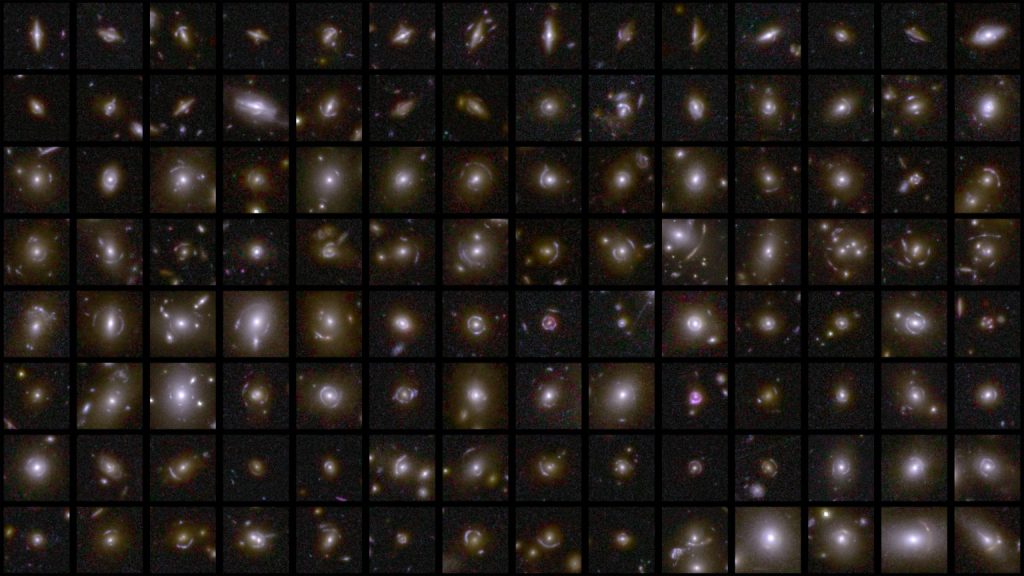
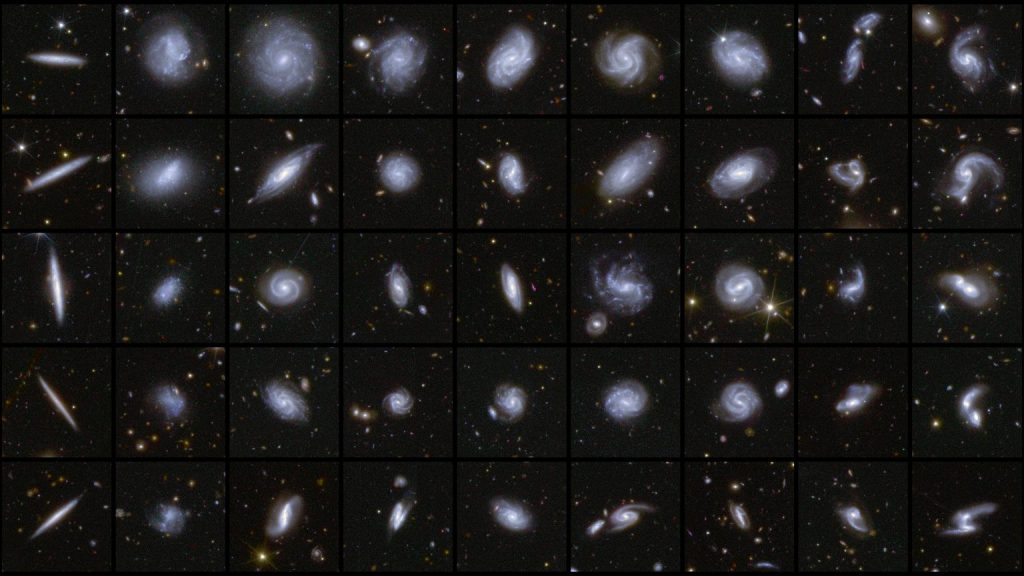
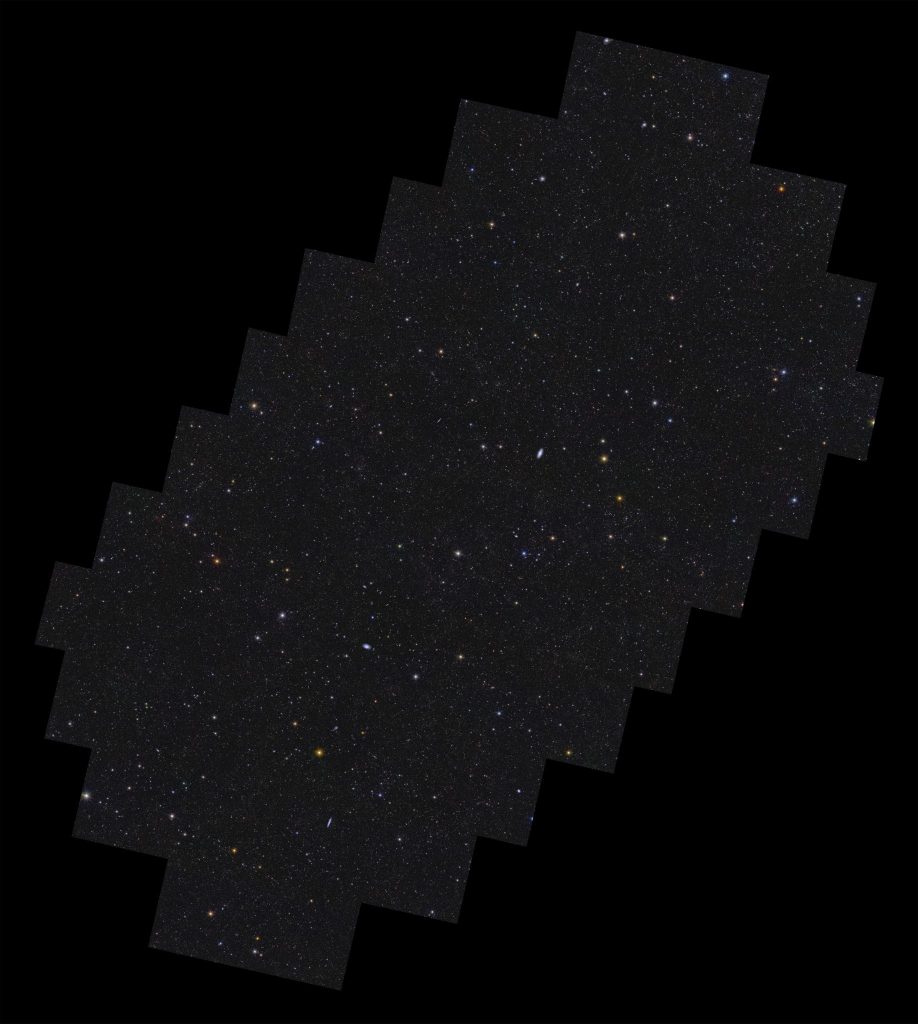
Qui invece le foto più recenti, rifatevi gli occhi!
Vedi anche il bollettino del 1° luglio sul lancio di Euclid!
To receive the Astronomy Bulletin Of the Day in your inbox, please put your email address on the contact form: https://abod.blog/contacts/
Per ricevere il bollettino per gli astronaviganti giornaliero nella tua posta elettronica, inserisci la tua mail nel form contatti: https://abod.blog/contacts/
Text and video source: Wikipedia, NASA, ESA
Sostieni anche tu Wikipedia
Google translate
 Astronomy Bulletin Of the Day