
🇬🇧 – 🇮🇹
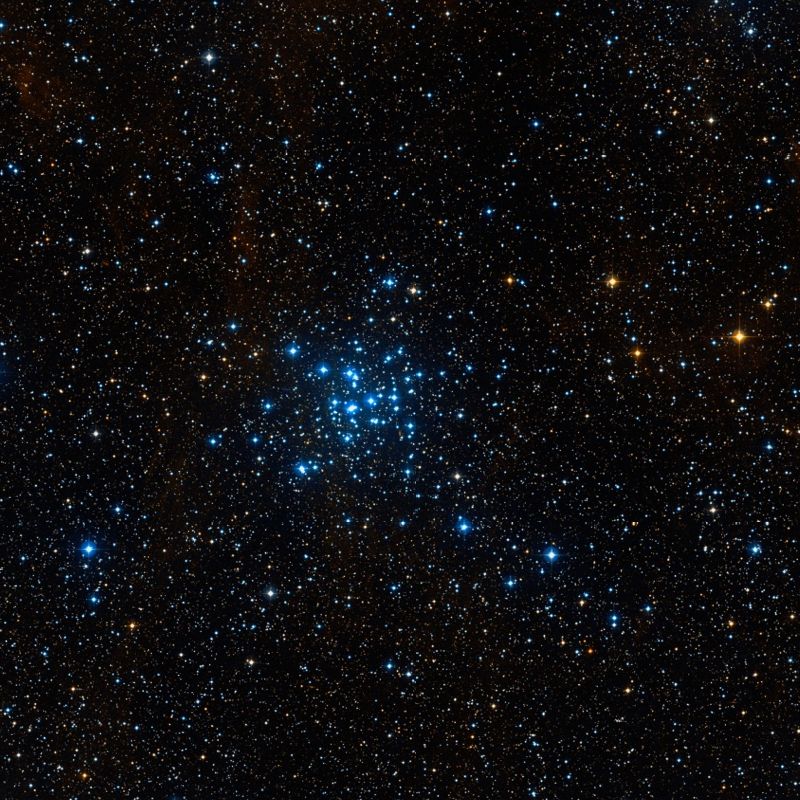
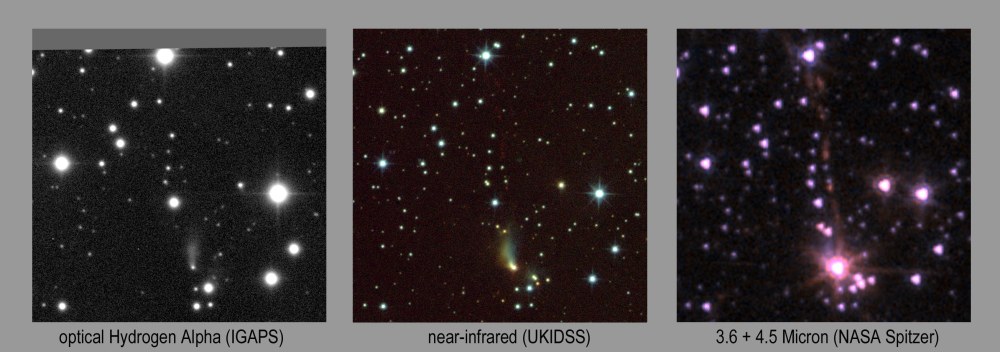
in near-infrared with UKIDSS (middle, Filters J, H, K)
in near/mid-infrared with Spitzer (right, Filters 3.6 and 4.5 microns)
Image Credits: IGAPS, UKIDSS, NASA/JPL Spitzer Space Telescope/GLIMPSE
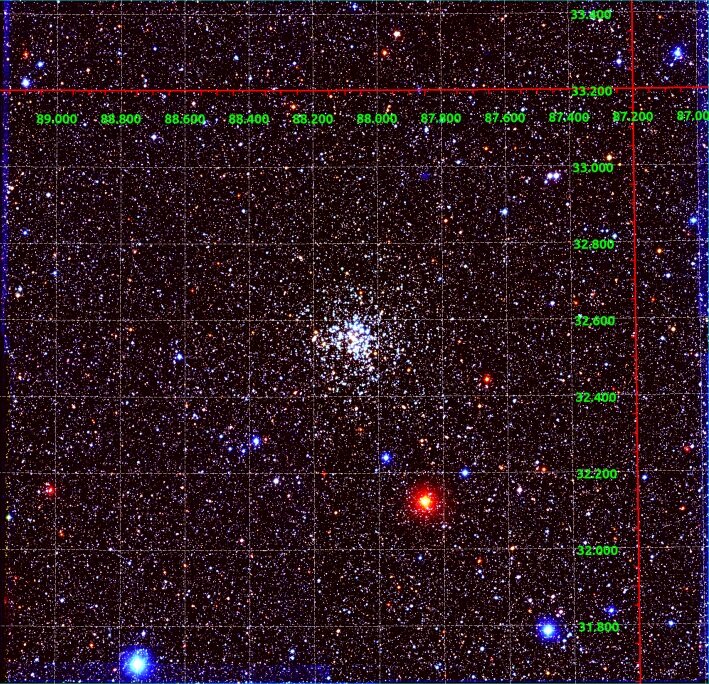
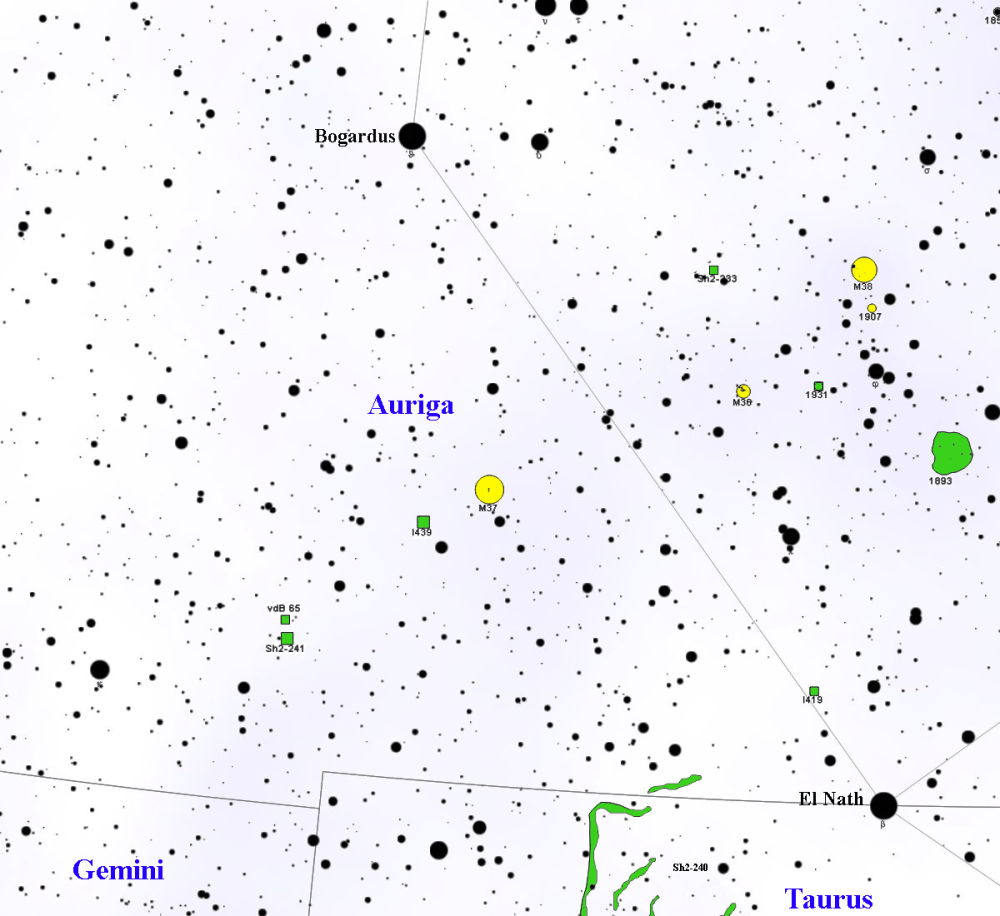
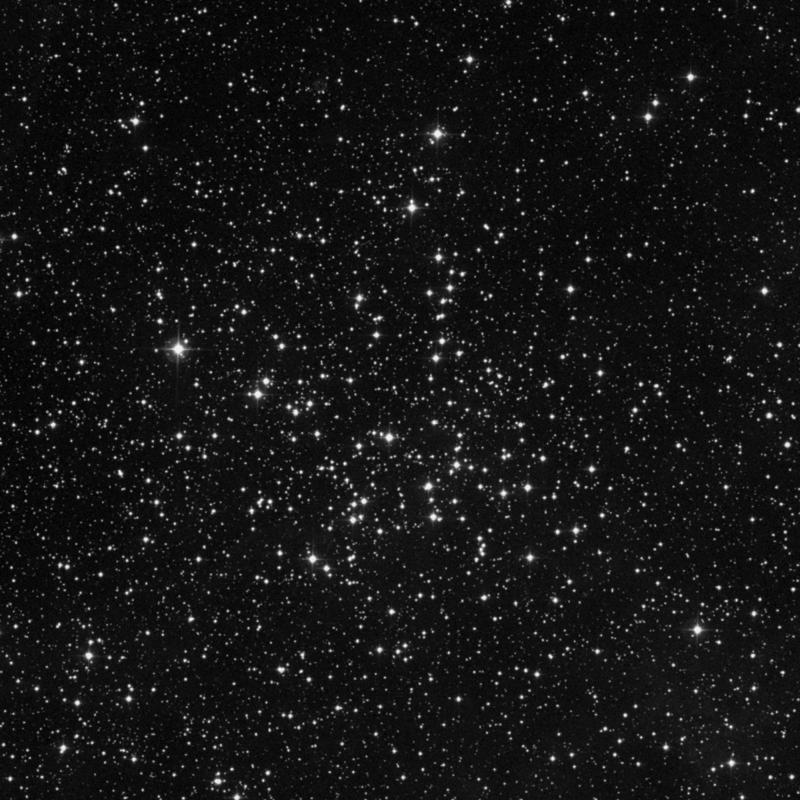
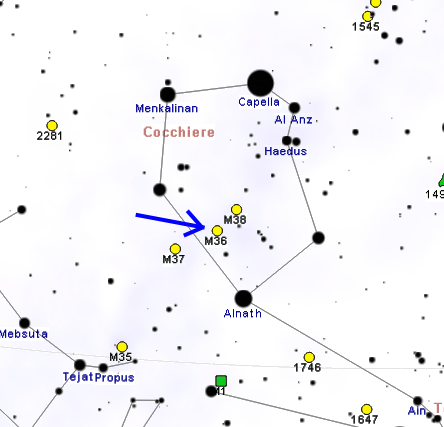
In 1764 Charles Messier cataloged the open clusters in the constellation of Auriga Messier 36, Messier 37 and Messier 38.
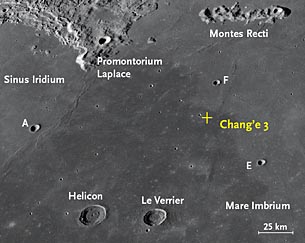
@NASA / Arizona State University
In 1908 the Russian astronomer Nikolay A. Kozyrev was born, known for having discovered volcanic activity on the Moon and significant gas emissions on the ground. In this regard, the Chinese Chang’e mission in 2013 studied layers and layers of lava flows in the Mare Imbrium, not seen previously, managing to find evidence of five distinct volcanic events. The Lunar Reconnaissance Orbiter photographed the image we see where we see a more recent (dark) and an older (light) trace. Some traces appear to be caused by explosive eruptions rather than effusive lava flows. The third layer of subsurface lava, which is about 240 meters below the surface and is around 3.3 billion years old, in fact has a reflection structure that is similar to what is seen on Earth as a result of violent eruptions, which eject large rocks known as pyroclastic rocks. A novelty, as previous analyzes from Apollo missions and from orbiting spacecraft had only revealed the presence of basaltic lava, which flows more gently. For eruptions to be explosive in nature, a large accumulation of gas is required, the production of which can hardly be attributed to surface rocks, which do not contain enough low boiling point chemicals. Hence the evidence of the presence of volatile molecules, such as water, important for future lunar missions (see Artemis for the settlement of human presence on the Moon as a base for missions to Mars..).
Nel 1908 nasce l’astronomo russo Nikolay A. Kozyrev noto per aver scoperto attività vulcaniche sulla Luna e significative emissioni di gas sul suolo. A tal proposito la missione cinese Chang’e nel 2013 ha studiato strati e strati di colate laviche nel Mare Imbrium, non viste in precedenza, riuscendo a trovare evidenze di ben cinque eventi vulcanici distinti. Il Lunar Reconnaissance Orbiter ha fotografato l’immagine che vediamo dove si nota una traccia più recente (scura) e una più antica (chiara) @NASA / Arizona State University. Alcune tracce sembrano causate da eruzioni esplosive, piuttosto che da colate laviche effusive. Il terzo strato di lava sotto la superficie, che si trova a circa 240 metri sotto la superficie ed è vecchio attorno ai 3,3 miliardi di anni, possiede infatti una struttura di riflessione che è simile a quello che si vede sulla Terra in conseguenza di eruzioni violente, che espellono grandi rocce conosciute come rocce piroclastiche. Una novità, in quanto precedenti analisi da missioni Apollo e da veicoli spaziali in orbita avevano rilevato solo la presenza di lava basaltica, che scorre più dolcemente. Perché le eruzioni siano a carattere esplosivo, è necessario un grande accumulo di gas, la cui produzione difficilmente può essere imputata a rocce di superficie, che non contengono a sufficienza sostanze chimiche con basso punto di ebollizione. Da qui l’evidenza della presenza di molecole volatili, come l’acqua, importante per le missioni lunari future (vedi Artemis per l’insediamento della presenza umana sulla Luna come base per le missioni su Marte..).
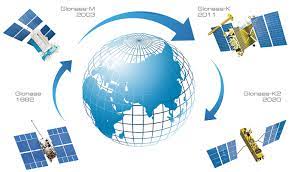
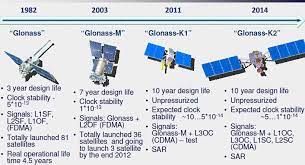
In 2010, the launch of three new satellites in orbit of the Glonass constellation (M27, M28 and M29), bringing the total to 21 out of the 24 planned. GLObal NAvigation Satellite System) is a Russian global navigation satellite system, counterpart of the Global Positioning System of the United States and the Galileo positioning system, developed in Europe.
Nel 2010 lancio di tre nuovi satelliti in orbita della costellazione Glonass (M27, M28 e M29), portandone il totale a 21 sui 24 previsti. GLObal NAvigation Satellite System) è un sistema satellitare globale di navigazione russo, controparte del Global Positioning System degli Stati Uniti e del sistema di posizionamento Galileo, sviluppato in Europa.

In 2023 India launches from the Satish Dhawan Space Center ADITYA L1 or a solar observation satellite at the Langrangian point L1. The main scientific goals of the mission are to achieve a fundamental understanding of the physical processes that heat the solar corona, accelerate the solar wind, and produce coronal mass ejections (CMEs).
Nel 2023 l’India lancia dal Satish Dhawan Space Centre ADITYA L1 ovvero un satellite di osservazione solare al punto langrangiano L1. I principali obiettivi scientifici della missione sono raggiungere una comprensione fondamentale dei processi fisici che riscaldano la corona solare, accelerano il vento solare e producono le espulsioni di massa coronale (CME).
To receive the Astronomy Bulletin Of the Day in your inbox, please put your email address on the contact form: https://abod.blog/contacts/
Per ricevere il bollettino per gli astronaviganti giornaliero nella tua posta elettronica, inserisci la tua mail nel form contatti: https://abod.blog/contacts/
Text, images and video source: Wikipedia, NASA
Sostieni anche tu Wikipedia
Google translate
 Astronomy Bulletin Of the Day