
🇬🇧 – 🇮🇹
In 1857, the American astronomer James Keeler was born, founder of the Astrophysical Journal, still one of the most authoritative journals in astronomy and astrophysics today. Keeler was the first to observe the division in Saturn’s rings which today is called the Encke division, while the Keeler division, discovered by the Voyager program, was named in honor of Keeler. His spectroscopic studies on the rings of Saturn demonstrated that different parts of the rings reflect light with different Doppler shifts, due to their different motion of revolution around Saturn and was the first visual confirmation of James Clerk Maxwell’s theory according to which rings were made up of countless small objects, each orbiting independently around the planet.
Nel 1857 nasce l’astronomo americano James Keeler fondatore della rivista Astrophysical Journal, tutt’oggi una delle più autorevoli riviste di astronomia e astrofisica. Keeler è stato il primo ad osservare la divisione negli anelli di Saturno che oggi si chiama divisione di Encke, in onore di Keeler invece è stata battezzata la divisione di Keeler, scoperta dal programma Voyager. I suoi studi spettroscopici sugli anelli di Saturno hanno dimostrato che parti differenti degli anelli riflettono la luce con differente spostamento Doppler, a causa del loro differente moto di rivoluzione intorno a Saturno ed è stata la prima conferma visiva della teoria di James Clerk Maxwell secondo cui gli anelli erano formati da innumerevoli piccoli oggetti, ciascuno orbitante autonomamente attorno al pianeta.
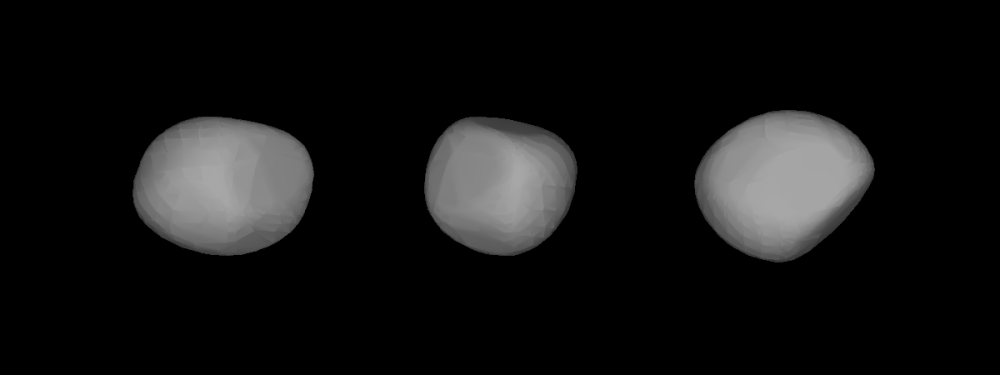
In 1858 Hermann Mayer Salomon Goldschmidt discovered the main belt asteroid Alexandra (54), see image, from the Paris Astronomical Observatory (France). It was named this way by François N. M. Moigno in honor of the German explorer and naturalist Alexander von Humboldt.
Nel 1858 Hermann Mayer Salomon Goldschmidt scopre l’asteroide della fascia principale Alexandra (54), vedi immagine, dall’Osservatorio astronomico di Parigi (Francia). Fu battezzato così da François N. M. Moigno in onore dell’esploratore e naturalista tedesco Alexander von Humboldt.
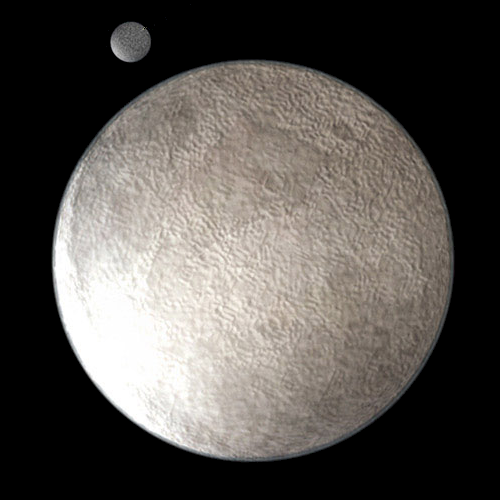
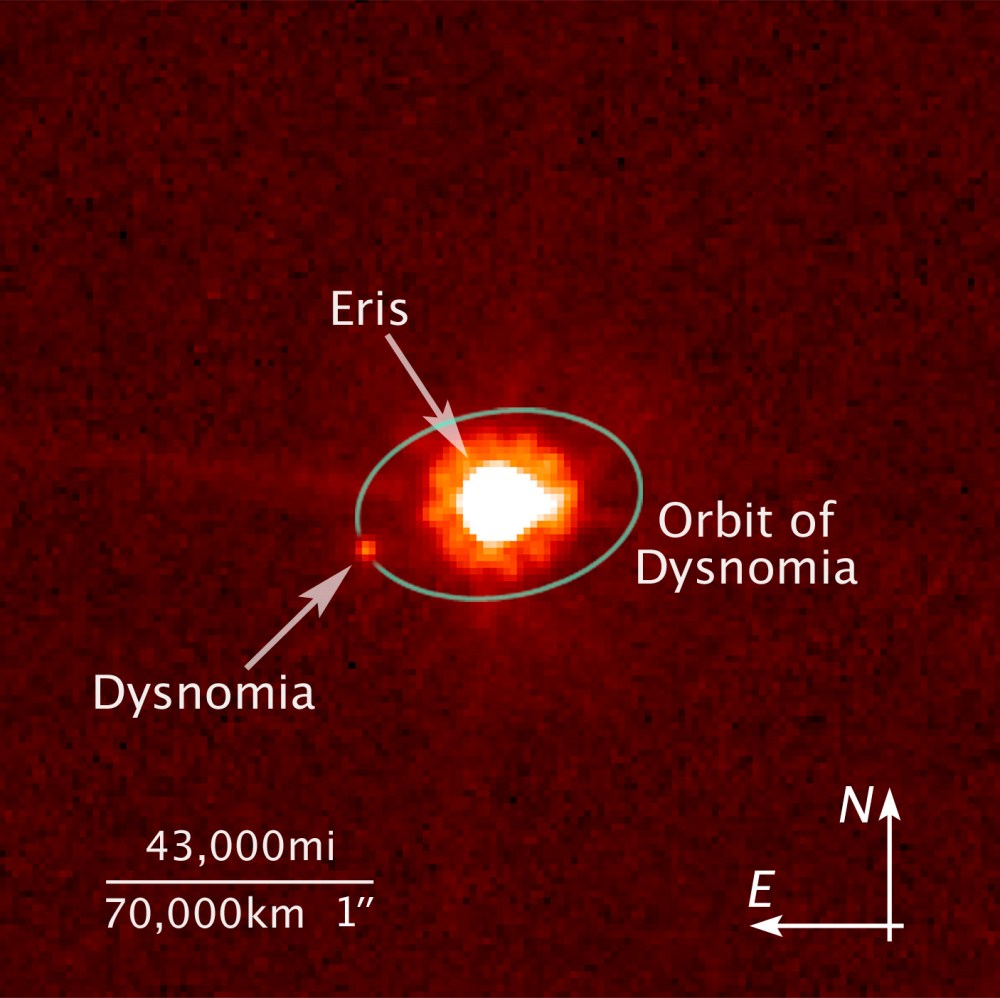
In 2005, Dysnomia (see photo) was identified, the only natural satellite of the dwarf planet Eris (the most massive of the dwarf planets in the solar system, orbiting around the Sun inside the so-called diffuse disk) using the Keck telescope in the Hawaiian Islands.
Nel 2005 individuata Disnomia (vedi foto) l’unico satellite naturale del pianeta nano Eris (il più massiccio dei pianeti nani del sistema solare, orbitante attorno al Sole all’interno del cosiddetto disco diffuso) utilizzando il telescopio Keck, nelle isole Hawaii.
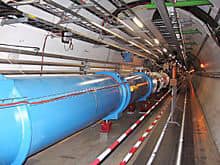
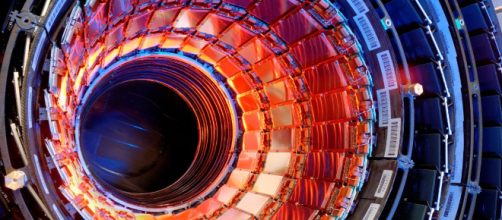
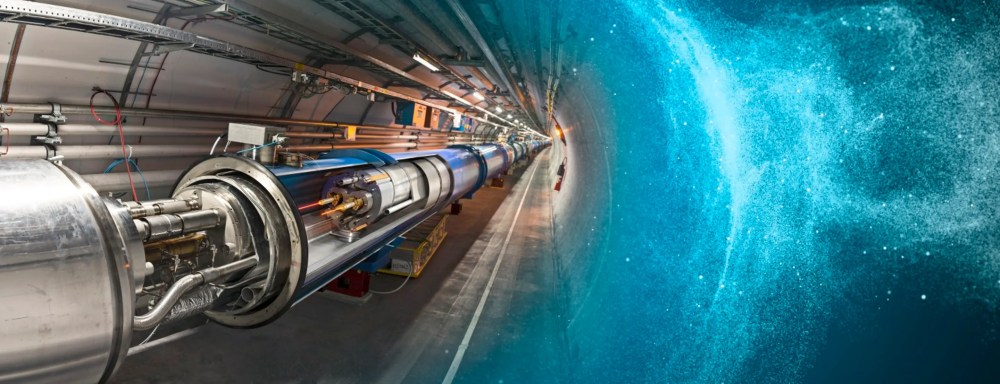
In 2008, the Large Hadron Collider (see photo) was switched on at CERN in Geneva: a particle accelerator used for experimental research in the field of particle physics.
Nel 2008 accensione del Large Hadron Collider (vedi foto) presso il CERN di Ginevra: acceleratore di particelle utilizzato per ricerche sperimentali nel campo della fisica delle particelle.
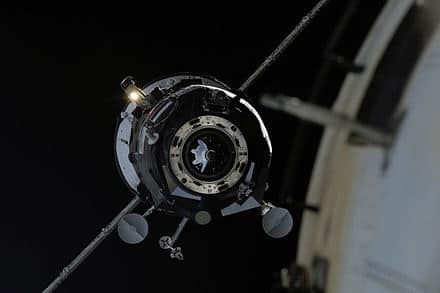
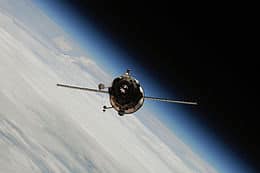
In 2010 launch with a Soyuz U rocket of the Progress M-07ME known as 39P (see photo) which is the spacecraft used to supply the International Space Station with maintenance and repair equipment, sanitation supplies, food, equipment medical supplies, clothes, packages for the cosmonauts on board the station, fuel, oxygen, water, cameras and supplies for the preparation of the ISS modules of Zarya, Poisk and Rassvet.
Nel 2010 lancio con un razzo Soyuz U del Progress M-07ME conosciuto come 39P (vedi foto) ovvero la navicella spaziale utilizzata per rifornire la Stazione Spaziale Internazionale con attrezzature per la manutenzione e le riparazioni, forniture per servizi igienico-sanitari, cibo, attrezzature mediche, vestiti, pacchi per i cosmonauti a bordo della stazione, carburante, ossigeno, acqua, telecamere e forniture per l’allestimento per i moduli ISS di Zarya, Poisk e Rassvet.
To receive the Astronomy Bulletin Of the Day in your inbox, please put your email address on the contact form: https://abod.blog/contacts/
Per ricevere il bollettino per gli astronaviganti giornaliero nella tua posta elettronica, inserisci la tua mail nel form contatti: https://abod.blog/contacts/
Text, images and video source: Wikipedia, NASA, YouTube
Sostieni anche tu Wikipedia
Google translate
 Astronomy Bulletin Of the Day