
🇬🇧 – 🇮🇹
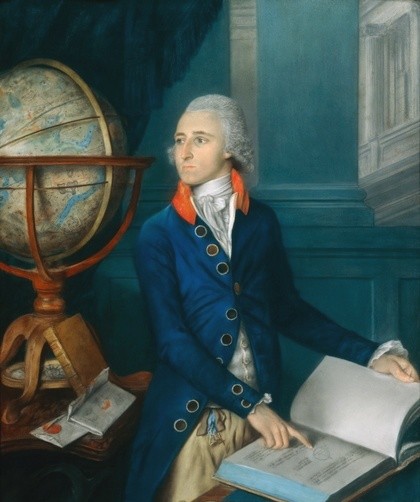
John Goodricke was born in 1764, a Dutch astronomer known for the discovery of the variation of some variable stars (including in 1784 the first intrinsic variable, Delta Cephei, which later became the prototype of one of the most famous and studied classes of variable stars). His studies were very important for the measurement of cosmic distances, such as the study of the periodic variations in brightness of the star Algol (Beta Persei) due to mutual eclipses of two stars, one brighter and the other almost dark, which orbited around a common center of mass and the variation of Beta Lyrae, also an eclipsing variable and prototype of another class (EB) in which the two stars, this time both bright, are so close to each other and deformed by the mutual attraction that the variation in brightness observed from the Earth occurs continuously, even outside the moments of eclipse, as the apparent surface of the two stars varies which is gradually turned towards the Earth.
Nel 1764 nasce John Goodricke, astronomo olandese noto per la scoperta della variazione di alcune stelle variabili (fra cui nel 1784 la prima variabile intrinseca, Delta Cephei, divenuta poi il prototipo di una delle più celebri e studiate classi di stelle variabili). I suoi studi sono stati importantissimi per la misura delle distanze cosmiche, come lo studio delle variazioni periodiche di luminosità della stella Algol (Beta Persei) dovute ad eclissi reciproche di due stelle, l’una più luminosa e l’altra quasi oscura, che orbitavano attorno ad un comune centro di massa e alla variazione di Beta Lyrae, anch’essa una variabile ad eclisse e prototipo di un’altra classe (EB) in cui le due stelle, stavolta entrambe luminose, sono così vicine fra loro e deformate dalla reciproca attrazione che la variazione di luminosità osservata dalla Terra avviene in modo continuo, anche fuori dai momenti di eclisse, al variare della superficie apparente delle due stelle che viene rivolta via via verso la Terra.
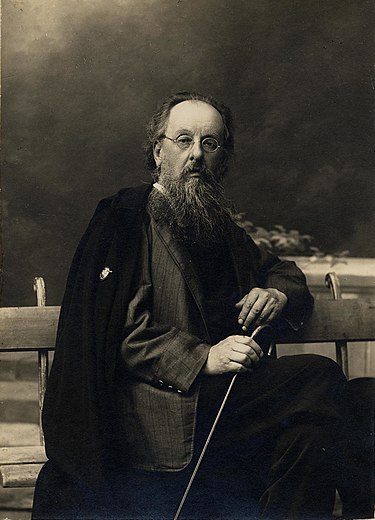
Konstantin Eduardovich Tsiolkovsky was born in 1857 and was considered one of the most important scientists in Russia. He theorized many aspects of space flight and rocket propulsion. He is considered the father of human space flight and the first man to conceive of the space elevator.
Nel 1857 nasce Konstantin Eduardovich Ciolkovskij, considerato uno degli scienziati più importanti in Russia. Teorizzò molti aspetti del volo spaziale e della propulsione missilistica. Viene considerato il padre del volo spaziale umano e il primo uomo a concepire l’ascensore spaziale.
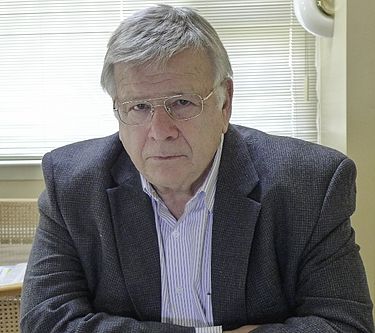
Gerald Stanford Guralnik, an American physicist, was born in 1936, best known as one of the theorists of the Higgs mechanism, a mechanism for the acquisition of mass of elementary particles.
Nel 1936 nasce Gerald Stanford Guralnik un fisico statunitense, maggiormente noto come uno dei teorizzatori del meccanismo di Higgs, un meccanismo di acquisizione di massa delle particelle elementari.
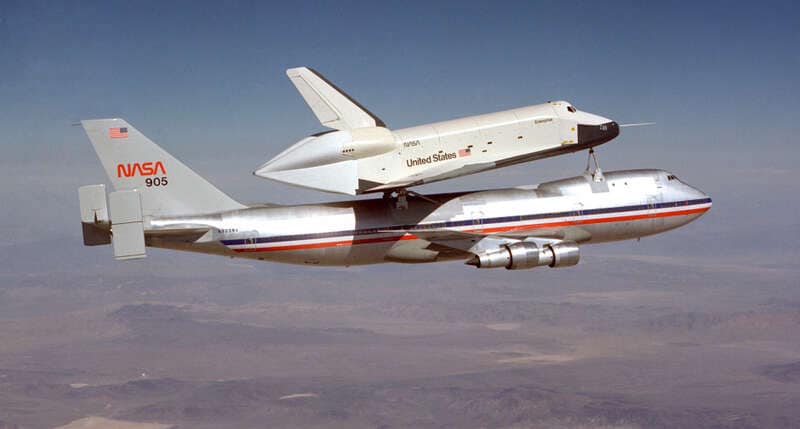
In 1976 the Space Shuttle was presented to the public for the first time (see photo). NASA proudly announced what was a real revolution for the sector, the first of a series of shuttles which was renamed “Enterprise” for the occasion.
Nel 1976 presentazione al pubblico per la prima volta dello Space Shuttle (vedi foto). La Nasa annunciò con orgoglio quella che era una vera e propria rivoluzione per il settore, la prima di una serie di navette che fu ribattezzata per l’occasione “Enterprise”. Articolo QUI
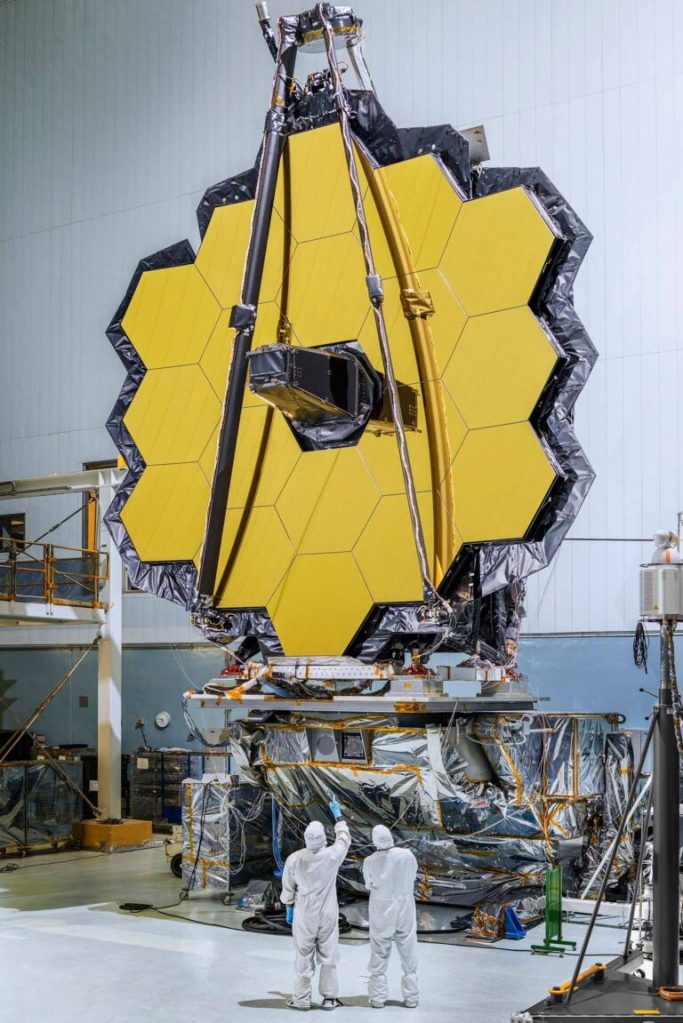
In 2012, the first two of the eighteen mirrors of the James Webb Telescope (see photo) were delivered, a space telescope for infrared astronomy launched on 25 December 2021 and which continues to excite us with its continuous news! See the Orion nebula image from JWST in the cover
Nel 2012 consegna dei primi due dei diciotto specchi del James Webb Telescope (vedi foto), un telescopio spaziale per l’astronomia a raggi infrarossi lanciato il 25 dicembre 2021 e che con le sue continue news ci continua ad emozionare! In copertina, la nebulosa di Orione “vista” dal JWST @NASA
https://webb.nasa.gov/content/observatory/ote/mirrors/index.html
https://svs.gsfc.nasa.gov/13521
To receive the Astronomy Bulletin Of the Day in your inbox, please put your email address on the contact form: https://abod.blog/contacts/
Per ricevere il bollettino per gli astronaviganti giornaliero nella tua posta elettronica, inserisci la tua mail nel form contatti: https://abod.blog/contacts/
Text, images and video source: Wikipedia, NASA
Sostieni anche tu Wikipedia
Google translate
 Astronomy Bulletin Of the Day