
🇬🇧 – 🇮🇹
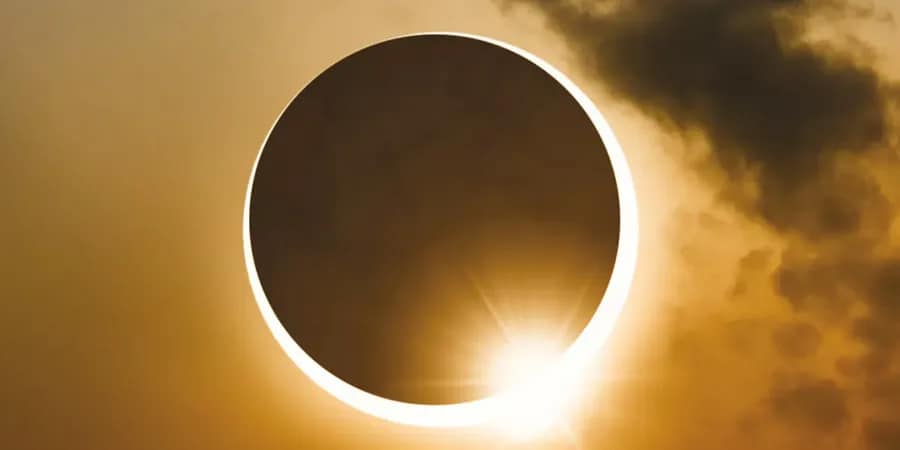
In 2136 BC. a solar eclipse is recorded in China for the first time. According to legend, Emperor Chung K’ang had executed his royal astronomers, Hi and Ho, for having failed to predict an eclipse. Chinese legend has it that gigantic beings – a dog or a dragon – ate the sun. In fact, the Chinese word for “eclipse” includes the character “shi,” which means “to eat.” To scare the beast, the ancient Chinese played drums and made enough noise to chase it away.
Nel 2136 a.C. in Cina per la prima volta viene registrata un’eclissi di Sole. Secondo la leggenda, l’imperatore Chung K’ang aveva giustiziato i suoi astronomi reali, Hi e Ho, per aver sbagliato a prevedere un’eclissi. La leggenda cinese racconta che esseri giganteschi – un cane o un dragone – mangiassero il sole. Infatti, la parola cinese per “eclissi” include il carattere “shi”, che significa “mangiare”. Per spaventare la bestia, gli antichi cinesi suonavano tamburi e facevano abbastanza rumore da scacciarla via.
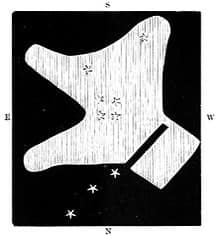
In 1792 the French astronomer Guillaume Le Gentil de la Galaisiere died, known above all for his adventurous and unfortunate story of a never-observed transit of Venus over the Sun. However, he was also responsible for the discovery of Messier objects M32, M36 and M38, as well as the nebula in M8, and he was the first to catalog the dark nebula also called Le Gentil 3 (in the constellation Cygnus). In the image we see the Orion Nebula drawn by Le Gentil in 1758.
Nel 1792 muore l’astronomo francese Guillaume Le Gentil de la Galaisiere noto soprattutto per la sua storia avventurosa e sfortunata di un transito di Venere sul Sole mai osservato. A lui si deve però anche la scoperta di oggetti Messier M32, M36 e M38, come anche la nebulosa in M8, e fu il primo a catalogare la nebulosa oscura chiamata anche Le Gentil 3 (nella costellazione del Cigno). Nell’immagine vediamo la Nebulosa di Orione disegnata da Le Gentil nel 1758.
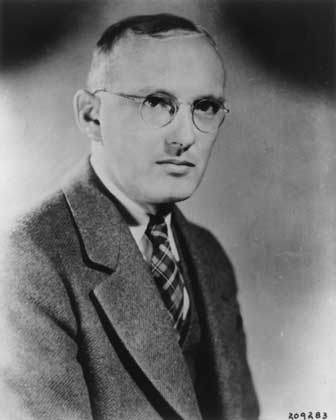
The American engineer Karl Guthe Jansky was born in 1905, known for having discovered the radio emission of our galaxy, the Milky Way, in 1933 while studying the causes of communications disturbances. However, his discovery was not considered of the right importance by astronomers, so radio astronomy was not born until after the Second World War.
Nel 1905 nasce l’ingegnere statunitense Karl Guthe Jansky noto per aver scoperto nel 1933 la radioemissione della nostra galassia, la Via Lattea, mentre studiava le cause dei disturbi alle comunicazioni. Tuttavia la sua scoperta non venne valutata dagli astronomi nella giusta importanza per cui la radio astronomia non nacque che dopo la Seconda Guerra mondiale.
In 1922 the first International Astronomical Union Circular (IAUC) was published; they are alerts that provide information on astronomical phenomena.
Nel 1922 viene pubblicata la prima International Astronomical Union Circular (IAUC); sono avvisi che forniscono informazioni sui fenomeni astronomici.

In 1968 Apollo program: Apollo 7 landed in the Atlantic Ocean after having orbited the Earth 163 times (see photo)
Nel 1968 Programma Apollo: l’Apollo 7 ammara nell’Oceano Atlantico dopo aver orbitato attorno alla Terra per 163 volte (vedi foto)
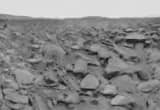
In 1975 the probe Venera 9 landed in Venus (see photo) and transmitted the first black and white image of the planet’s surface with data transmission for 53 minutes before succumbing to the considerable pressure and temperature present on the ground (see photo)
Nel 1975 “avveneraggio” di Venera 9 (vedi foto) che trasmette la prima immagine in bianco e nero della superficie del pianeta con trasmissione dati per 53 minuti prima di soccombere alla notevole pressione e temperatura presenti al suolo (vedi foto)

In 2004 the popular science magazine Nature published the discovery of a new human species, Homo floresiensis, on the island of Flores, Indonesia
Nel 2004 la rivista di divulgazione scientifica Nature, pubblica la scoperta di una nuova specie umana, Homo floresiensis, sull’Isola di Flores, in Indonesia
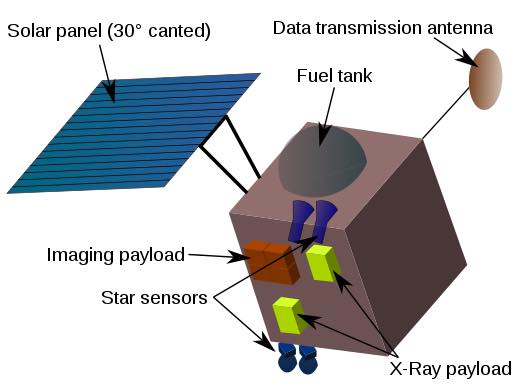
In 2008, the Indian Space Agency launched its first uncrewed lunar mission with the Chandrayaan-1 spacecraft (see photo) with the aim of placing a probe in polar lunar orbit and conducting scientific studies and mapping of lunar topographic features in 3D.
Nel 2008 L’Agenzia Spaziale Indiana lancia la sua prima missione lunare senza equipaggio con la navicella Chandrayaan-1 (vedi foto) con lo scopo di porre una sonda in orbita polare lunare e condurre studi scientifici e mappatura delle caratteristiche topografiche lunari in 3D.
To receive the Astronomy Bulletin Of the Day in your inbox, please put your email address on the contact form: https://abod.blog/contacts/
Per ricevere il bollettino per gli astronaviganti giornaliero nella tua posta elettronica, inserisci la tua mail nel form contatti: https://abod.blog/contacts/
Text, images and video source: Wikipedia, NASA, YouTube
Sostieni anche tu Wikipedia
Google translate
 Astronomy Bulletin Of the Day