
🇬🇧 – 🇮🇹
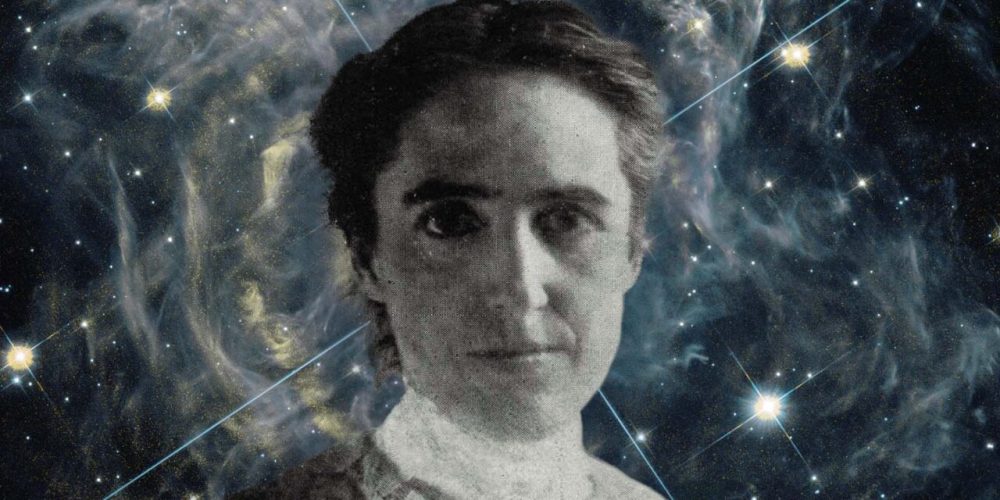
In 1921 the American astronomer Henrietta Leavitt died. Her career began in 1893 at the Harvard Observatory as a computer woman, that is, with the tasks of a manual calculator and studying photographic plates of the stars. Leavitt was hired by Edward Pickering to measure and catalog the brightness of stars in the observatory’s photographs. She noticed hundreds of variable stars in images of the Magellanic Clouds. In 1912 she discovered that variable stars now called Cepheids. A year after the results were published, Ejnar Hertzsprung determined the distance of several Cepheids within the Milky Way. Furthermore, when numerous Cepheids were discovered in other galaxies, such as that of Andromeda, it was simple to calculate their distance. In this way, the Great Debate regarding whether or not galaxies belong to the Milky Way was put to an end.
Nel 1921 muore l’astronoma americana Henrietta Leavitt. La sua carriera inizió nel 1893 presso l’Osservatorio di Harvard come donna computer, cioè con le mansioni di calcolatore manuale e studiando le lastre fotografiche delle stelle. Leavitt fu assunta da Edward Pickering per misurare e catalogare la luminosità delle stelle nelle fotografie dell’osservatorio. Notò centinaia di stelle variabili nelle immagini delle Nubi di Magellano. Nel 1912 scoprì che le stelle variabili oggi chiamate cefeidi, presentano una relazione periodo-luminosità. Un anno dopo la pubblicazione dei risultati, Ejnar Hertzsprung determinò la distanza di parecchie cefeidi all’interno della Via Lattea. Quando inoltre si scoprirono numerose cefeidi anche in altre galassie, come in quella di Andromeda, fu semplice calcolarne la distanza. In questo modo si pose fine al Grande Dibattito riguardante l’appartenenza o meno delle galassie alla Via Lattea.
Text source: Wikipedia
Sostieni anche tu Wikipedia
Google translate

